

Rhinoplasty
Nasal Hump: Removal, Rasping and Preservation Compared
Quick answer
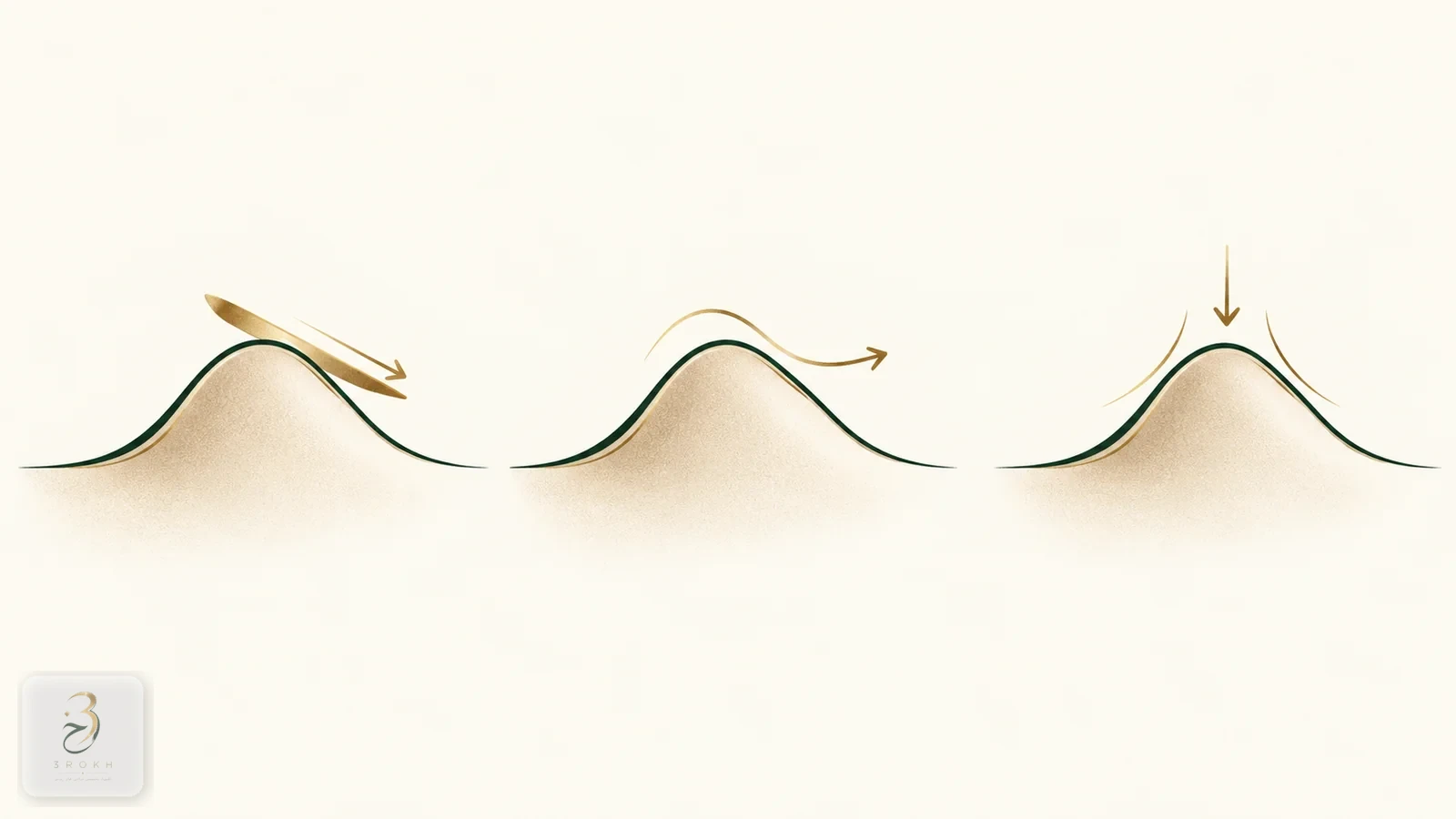
A nasal hump is reduced in three main ways: removal of bone and cartilage with rebuilding of the midvault, rasping for a small bony hump, and preservation, which lowers the whole bridge. Systematic reviews say preservation gives fewer dorsal irregularities and higher early satisfaction but a higher risk of residual or recurrent hump, and a randomized trial of 84 patients found no significant difference at one year. The choice depends on the size and type of hump, bone shape, skin and the surgeon's experience.
- Removal and rebuilding
- Large or mixed hump; midvault needs rebuilding
- Rasping
- Small bony hump with a mild contour
- Preservation
- Fewer irregularities; higher risk of residual hump
The technique's name does not guarantee quality; ask how often the surgeon has done exactly this method and with what results.
Key points
- A nasal hump is reduced in three main ways: removal with rebuilding, rasping and preservation.
- Preservation has fewer irregularities but a higher risk of a residual or recurrent hump.
- No method is best for every hump; the choice depends on hump size and type, skin and the surgeon's experience.
How is a nasal hump reduced and how do the methods differ?
A nasal hump is reduced by three main approaches: removal of bone and cartilage with rebuilding of the midvault, rasping for a small bony hump, and preservation, which lowers the whole bridge instead of removing it. None is best for every hump: systematic reviews say preservation gives fewer dorsal irregularities and higher early satisfaction, but more residual or recurrent hump, and in a randomized trial of 84 patients there was no difference in the one-year outcome. The choice depends on the size and type of hump, the shape of the bone, skin thickness and the surgeon's experience.
This article is educational and does not give a diagnosis or an individual plan. It does not discuss cost; for that see the article on the cost of bony and humped nose rhinoplasty and the article on the cost of nose rasping and minor correction. A fuller account of preservation is in the article on preservation rhinoplasty versus the classic method.
What is a hump and why are all humps not the same?
A hump is a prominence of the bridge in profile, made of nasal bone, cartilage or both. These three situations call for different treatment. In a study that varied the nasofrontal angle on a male profile, angles below 115 degrees (which simulated a hump) were rated the least attractive. In another study that showed simulated images of four patients to 813 respondents, reducing the hump raised perceived attractiveness, health and approachability. A hump is common in our region too: in a review of 100 primary rhinoplasty patients of Middle Eastern descent at one center, 91% had a prominent hump.
The bone under a hump is not the same either. In a study of CT scans of 125 patients, the nasal bones were classified by shape (concave, planar or convex) and thickness (thin under 2 mm, medium 2 to 4 mm, thick over 4 mm): 47.2% of right nasal bones were convex and 24% concave, 51.2% were of medium thickness and 45.6% thick. The authors argued that knowing bone shape and thickness personalises the surgical plan and avoids unintended fractures; that is, a "one cut fits all" plan makes no sense.
In the same study, all patients were operated with osteoplasty tailored to bone shape and thickness and without osteotomies, no unintended fractures occurred and satisfaction rose at 3, 6 and 12 months. This was a clinical series without a comparison group, so it does not prove one method superior; it only shows that understanding the bone before surgery can help safety.
First approach: removal and rebuilding the midvault
In the classic method, the hump is reduced by removing part of the bone and cartilage and then the bridge is rebuilt. Removal without care can create unwanted results. The classic review of "component dorsal hump reduction" says uneven, over- or under-resection can lead to long-term dorsal irregularity, the inverted-V deformity and excessive narrowing of the midvault, and describes a five-step method: separating the upper lateral cartilages from the septum, incremental reduction of the septum, bony reduction of the dorsum, checking by palpation and final modifications (such as spreader grafts, suturing techniques and osteotomies). Its key idea is protecting the "dorsal aesthetic lines", the two soft lines seen from the front running from the root to the tip.
Osteotomies (controlled breaking of the lateral bones) are usually used to close the "open roof" after reducing a hump, to correct a crooked nose and to narrow a wide bony vault. The 2020 review on osteotomies notes that techniques and timing vary and each has its supporters and limits. The point for the patient: "removing the hump" is not one cut; it is a set of decisions about bone, cartilage, midvault and lateral bones.
The tools of removal: rasp, osteotome or powered saw?
To remove the bony part, the surgeon has different tools. In a comparative study of 107 closed rhinoplasties (35 with a rasp and 72 with a 5-mm osteotome), the osteotome group had a better aesthetic score on the ROE questionnaire six months after surgery, with no difference in the breathing questionnaire (NOSE), complications or operating time; this study is retrospective and small. Other surgeons have used powered tools: in a series of 259 cases with a powered micro saw, satisfactory results were reported in all cases with no serious complication and 10 minor revisions, and in a review of 140 women treated with a powered rasp, all but five were initially satisfied with the contour and no serious complication was seen. These are surgeons' experience reports, not trials; what they show is that the tool matters but the precision and experience of the hand matter more.
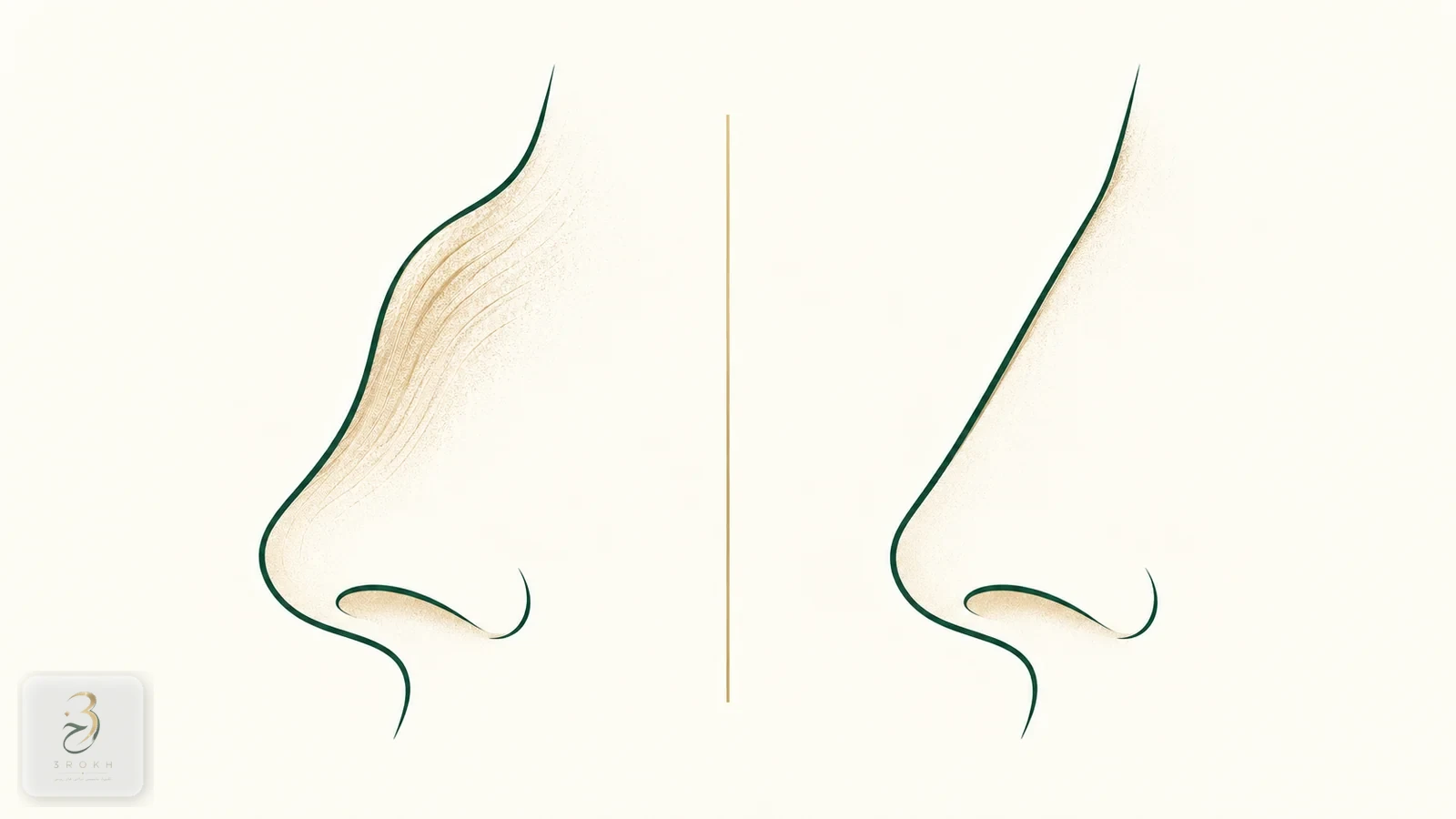
Second approach: rasping
Rasping is for a small, mostly bony hump with a mild contour, where the aim is to smooth it without wide removal of tissue. The powered-rasp review explains that a carbide-tip rasp is effective for eliminating modest contour deformities, but the broad movements and forces of manual rasping can weaken the osseocartilaginous vault; powered tools have been used to reduce soft-tissue trauma. In the same review, a patient who did not comply with the prescribed monthly injections needed revision surgery to remove regenerated bone. So rasping is not the "simplest" option, it is the more limited one: suitable for a small hump, unsuitable for a large one or one that has cartilage as well. Its cost and details are in the article on the cost of nose rasping and minor correction.
Third approach: preservation
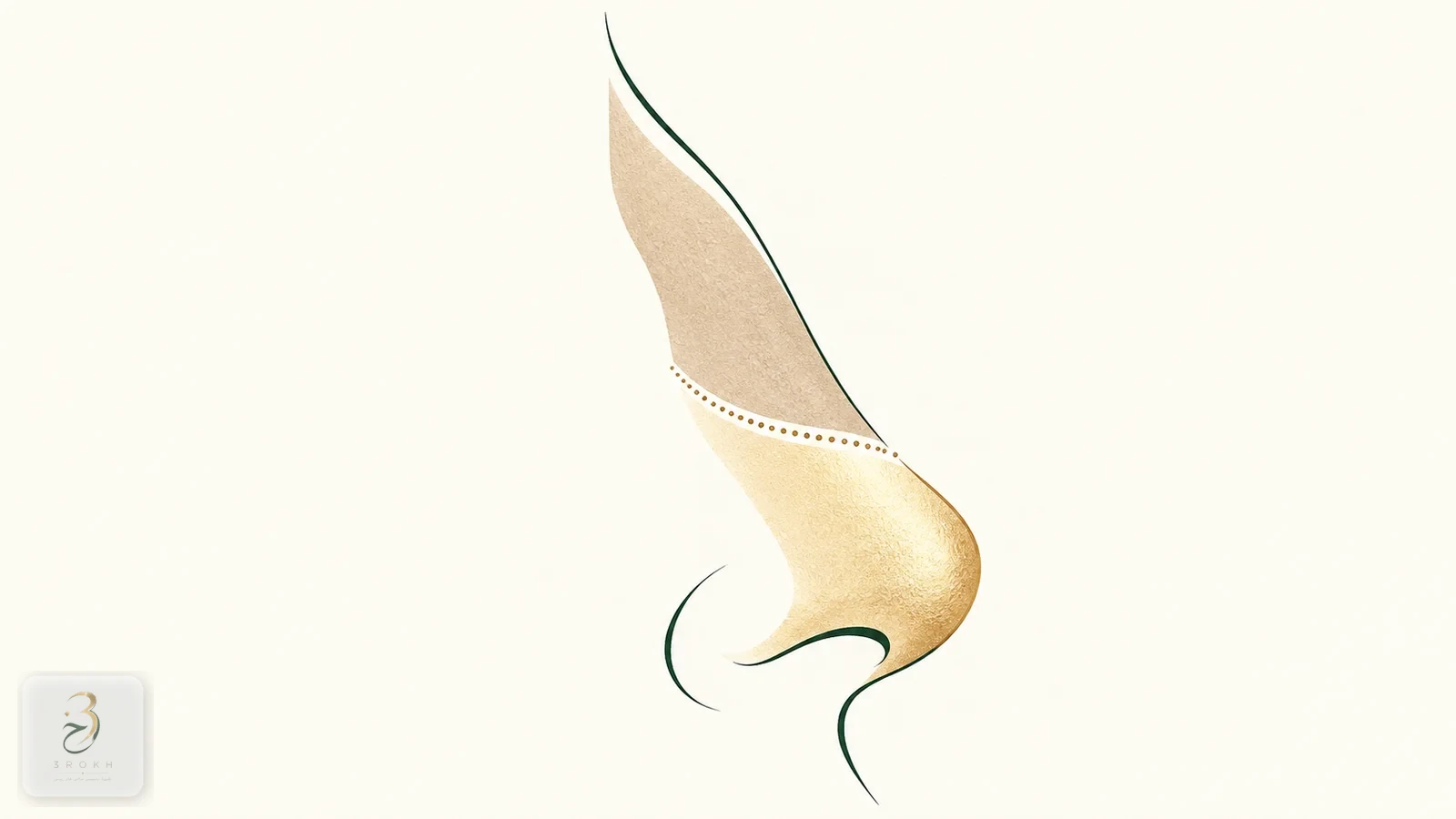
In preservation, instead of removing, the whole dorsal unit (nasal bone, upper lateral cartilages and part of the septum) is lowered (push-down) or allowed to settle by making room (let-down). The idea is that natural structure and attachments are kept so that fewer grafts are needed and the risk of an open roof and an inverted V falls. The 2025 review of the "cartilaginous push-down" says this method preserves only the middle third of the nose and treats the bony part separately, thereby extending the indications to complex crooked noses, S-shaped humps and irregular dorsums.
The evidence for this approach comes from several systematic reviews and is not uniform:
| Study | Design | Main finding |
|---|---|---|
| Shim et al., 2025 | Systematic review of 4 randomized trials, 419 patients | Preservation superior in both functional and cosmetic outcomes |
| Ribeiro et al., 2025 | Systematic review of 10 studies, 1,339 patients | Higher early aesthetic satisfaction, fewer irregularities (relative risk 0.28), more residual or recurrent hump (relative risk 2.94), no difference in breathing or revision surgery |
| Kim et al., 2025 | Systematic review of 6 studies, 753 patients | Better cosmetic satisfaction up to 6 months, similar afterwards; similar breathing |
| Zarei et al., 2024 | Randomized trial, 84 patients | No significant difference at one year in residual hump, width, projection, rotation or satisfaction score |
| Wells et al., 2023 | Review of 30 studies, 5,967 patients | High satisfaction (ROE score from 62 to 91); residual hump 1.3% with push-down and 4.6% with let-down; push-down mostly for smaller humps |
| Guyuron et al., 2023 | Analysis of published images, 59 patients from 24 studies | Dorsal-line irregularity in 78%, dorsal deviation in 54% and residual hump in 42% of images |
What can be taken from this table: results differ with study design, studies are not equal in quality and many are retrospective, and the Guyuron analysis was done on images that the authors of the papers chose to publish, not on all patients. None gives you a personal number; but they show this pattern: preservation has its own strengths and weaknesses, and "newer" does not mean "better".
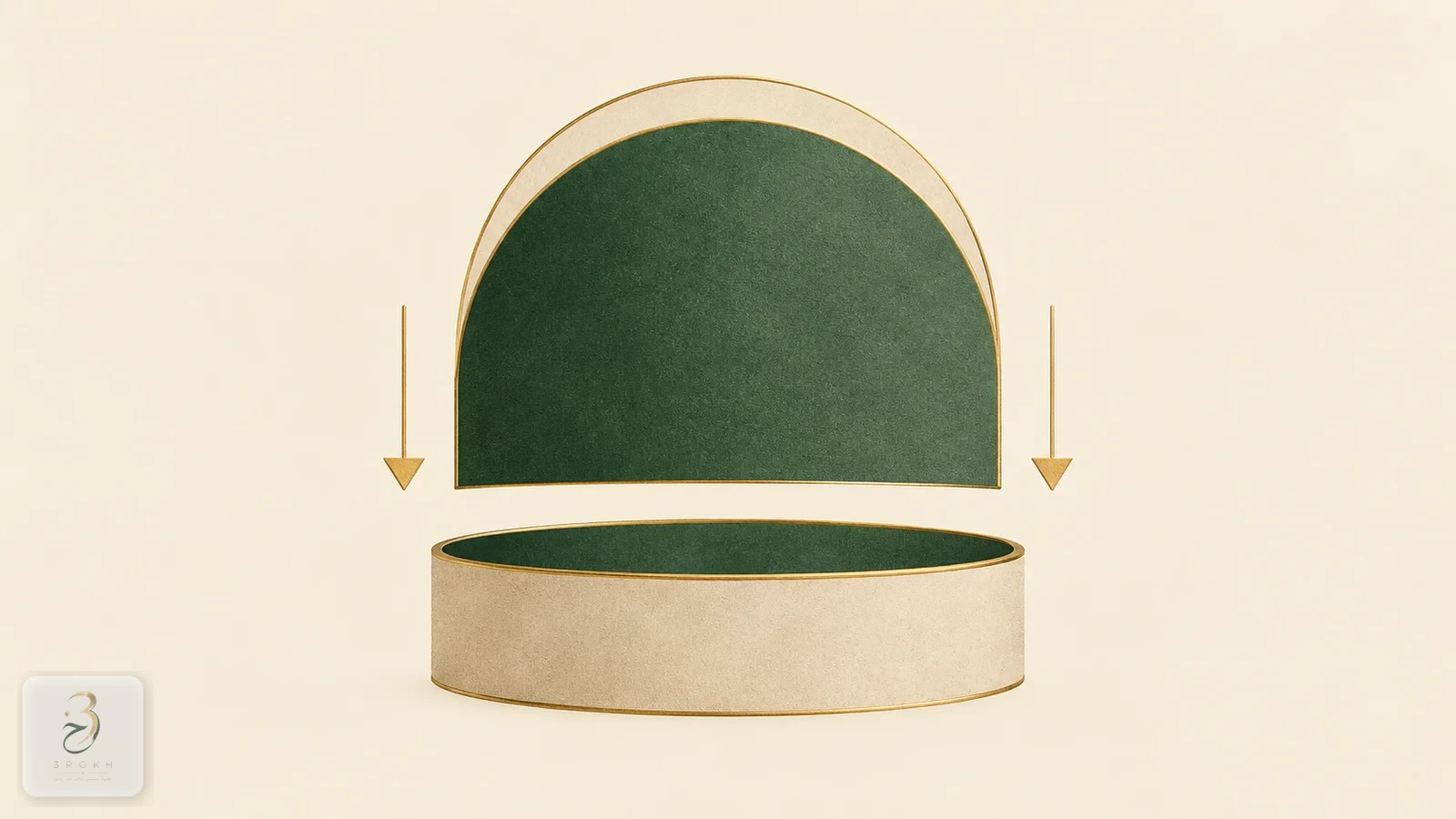
The three approaches compared
| Approach | Mostly for | Strength | Risk or limit |
|---|---|---|---|
| Removal and rebuilding | Large, mixed or deviated hump | Controllable at any size; long experience | Irregularity, inverted V, narrow midvault if rebuilding is incomplete |
| Rasping | Small bony hump with a mild contour | Less invasive | Not enough for a large or cartilaginous hump; possible weakening with manual rasping |
| Preservation | Some humps, especially small to moderate | Fewer irregularities, higher early satisfaction | Residual or recurrent hump; needs special skill |

Which approach for which hump?
There is no definitive answer, but surgeons usually weigh these criteria: the size of the hump, the share of bone and cartilage in it, the shape and thickness of the nasal bones, the presence of septal deviation or an S-shaped dorsum, skin thickness, breathing and, of course, their own experience. The 107-case piezo study offered an anatomy-based diagram for choosing the approach to the dorsum, which shows that the choice should be tailored rather than a fixed method. As a patient, if a surgeon offers one method for everyone, ask why it suits you.
Skin matters too. Thin skin shows every irregularity and thick skin hides them; thick skin is covered in the article on the fleshy nose and realistic results. And if the hump comes with a deviated septum or a breathing problem, the article on septorhinoplasty explains combining appearance and function.
Breathing and the internal valve
When a hump is removed, the structure that air passes through changes too. The classic review of hump reduction stresses that preserving the transverse portion of the upper lateral cartilages is essential to keep the internal valve open, maintain the dorsal aesthetic lines and avoid the inverted V, and describes the spreader graft as an adaptable tool for any deformity. On the other hand, in two 2025 meta-analyses no significant difference in breathing was seen between preservation and removal, although the meta-analysis of randomized trials reported a small advantage for preservation. For the patient: breathing should be part of the plan in every approach, and even if your main concern is appearance only, ask about your breathing before surgery.
Irregularity and residual hump: two common faults
Each approach has its own typical fault. In removal methods, the review of "dorsal failures" lists the consequences: over- or under-resection, open roof, polly beak, saddle-type depression, inverted V and irregularity. In preservation methods there is less irregularity but more residual or recurrent hump. These are often not recognisable in the first months, because swelling covers everything; if the bridge becomes uneven after surgery, read the article on bumps and irregularities after rhinoplasty and talk to your surgeon before drawing conclusions.
Residual or recurrent hump
In the 10-study meta-analysis, the risk of residual or recurrent hump with preservation was about 2.9 times that of removal. In the review of 5,967 patients, this risk was reported as 1.3% with push-down and 4.6% with let-down; the same review reminds us that push-down is mostly used for smaller humps. If a hump remains, the options range, depending on its size, from mild (waiting and review) to a small surgical correction and revision surgery. Do not decide before 12 months unless the surgeon has a clear reason; see the article on the timing of a second surgery.
Swelling and when to judge
After a hump is removed, swelling covers the bridge and the real shape emerges over months. In a small study of seven patients, swelling peaked at week four and fell quickly until week eight, yet nasal volume kept changing slowly through the end of the first year. One of the meta-analyses found that the aesthetic advantage of preservation lasted only up to about 6 months and that after that the two methods became similar. The practical meaning: do not read the early differences between the two methods as final differences, and do not judge whether a hump remains or the bridge is uneven before several months. The clinical practice guideline recommends documenting satisfaction at least 12 months after surgery. The general recovery timeline is in the week-by-week rhinoplasty recovery guide.
Special situations
- Hump with a deviated septum or an S-shaped dorsum: the 2025 review of cartilaginous push-down says this method extends the indications to such noses. For a crooked nose, see the article on correcting a crooked nose without surgery and the article on septorhinoplasty.
- Hump with thin skin: every irregularity shows from under the skin, so keeping the lines smooth matters more.
- Hump with thick skin: small irregularities are covered, but tip definition and swelling become the issue.
- A short nose or a low root: reducing the hump too far can make the profile look scooped and the nose short.
- Previous surgery: a thicker covering and an altered structure raise the risk; see the article on what revision rhinoplasty fixes.
Root and profile: it is not only the hump
Reducing a hump changes the profile, so it has to be judged together with the root, the tip and the chin. If the root is low, the hump looks bigger, and if the hump is removed too much, the bridge becomes scooped. The tip also looks larger or more prominent as the bridge falls. That is why many consultations about "the hump" are really about the proportion of the whole profile. The article on nasal projection explains these terms.
Hump, sex and local taste
The right amount of hump reduction also depends on sex and taste. In the Tehran study, patients of both sexes preferred a straight bridge and a nasofrontal angle wider than the usual norm (about 137.6 degrees for the male model and 133.6 for the female), that is, a smoother transition between forehead and nose. The male rhinoplasty review also advises that masculine features, including the strength of the bridge, be preserved and the nose not over-sculpted. So for both sexes, "reducing the hump" does not mean "reducing it as much as possible"; judge the amount against your profile and your taste. The details are in the article on natural male versus female nose differences.
A few common misconceptions
- "Preservation means no irregularity." There is less irregularity, not none; in the analysis of published images, dorsal-line irregularity was seen in many cases.
- "Rasping is always the gentlest way." It suits a small bony hump, but the review of manual rasping says its force can weaken the structure, and it is not enough for a large hump.
- "Removing the hump makes the tip automatically right." Reducing a hump changes the relation of tip, bridge and root and the tip may look larger; the profile must be judged as a whole.
- "A newer method means a better one." The evidence is mixed; the right method is set by the size and type of the hump and the skill of the surgeon.
How to read before-and-after photos of a hump
A profile photo of a hump is sensitive to head angle and light. To compare a surgeon's results, ask for photos taken at the same angle, in the same light and at the same time (for example 12 months after surgery), and look at the "before" photos with the same head position. In particular look at the lines of the bridge from the front: two soft, even lines from root to tip show that the "dorsal aesthetic lines" have been kept, while irregularity or deviation in them is a sign of trouble. More is in the article on how to read before-and-after photos, and the limits of simulation are in the article on simulating the result of rhinoplasty.
What to ask in the consultation
- Is my hump bony, cartilaginous or mixed? What share of each?
- Which approach (removal, rasping, preservation) suits me and why?
- How many times have you done this method and with what results? Can I see similar results?
- How will my midvault be kept or rebuilt and what happens to my breathing?
- If the hump remains, returns or becomes uneven, what is your plan and when do we decide?
- More questions are in the article on questions to ask a surgeon.
The American Academy of Otolaryngology-Head and Neck Surgery clinical practice guideline says the surgeon should ask about the patient's motivation and expectations, say whether they are realistic, inform the patient of the possibility of future surgery and document satisfaction at least 12 months after surgery. The name of a technique does not guarantee quality; the surgeon's experience in that technique and how it fits your structure matter more.
In a few lines
- Removal and rebuilding serve a wide range of humps but need careful rebuilding of the midvault.
- Rasping is for a small bony hump with a mild contour and is not a simple substitute in every case.
- Preservation gives fewer irregularities and higher early satisfaction, but a higher risk of residual or recurrent hump, and needs special skill.
- The evidence is mixed; ask which the surgeon proposes for your hump and why.
When to consult in person
- When you are unhappy with your profile and do not know what type of hump you have.
- When after earlier surgery the hump remained, returned or became uneven.
- When, along with the hump, you have a breathing problem or a deviated septum.
A consultation with Se Rokh's doctors is possible through booking, and the rhinoplasty page explains the scope of the work.

Sources
- Rohrich RJ et al. Component dorsal hump reduction: the importance of maintaining dorsal aesthetic lines in rhinoplasty. Plast Reconstr Surg. 2004
- Hamilton GS 3rd. Dorsal Failures: From Saddle Deformity to Pollybeak. Facial Plast Surg. 2018
- Locketz GD et al. Osteotomies-When, Why, and How? Facial Plast Surg. 2020
- Zucchini S et al. Evaluation of Surgical Outcome in Rhinoplasty: A Comparison Between Rasp and Osteotome in Dorsal Hump Removal. Ear Nose Throat J. 2021
- Aldosari BF et al. Hump Rasping Using Powered Instruments: A Retrospective Review. Plast Reconstr Surg Glob Open. 2024
- Avşar Y. Nasal hump reduction with powered micro saw osteotomy. Aesthet Surg J. 2009
- Avellaneda M et al. Computed Tomography Based Classification of Nasal Bone Shape and Thickness for Osteoplasty: The Avellaneda System. Plast Reconstr Surg Glob Open. 2026
- Shim SR et al. Preservation Rhinoplasty Versus Structural Rhinoplasty in Dorsal Hump Reduction: A Systematic Review and Meta-Analysis of Randomized Controlled Studies. Facial Plast Surg Aesthet Med. 2025
- Ribeiro LFS et al. Dorsal preservation versus dorsal reduction rhinoplasty techniques for aesthetic and functional outcomes: a systematic review and meta-analysis. J Plast Reconstr Aesthet Surg. 2025
- Kim DH et al. Comparison of Patient-Reported Outcomes Between Dorsal Preservation and Conventional Dorsal Hump Reduction Rhinoplasty: A Systematic Review and Meta-Analysis. Aesthetic Plast Surg. 2025
- Zarei R et al. Comparison of Functional and Cosmetic Outcomes Between Dorsal Preservation and Spreader Flap Rhinoplasty: A Randomized Trial. Aesthet Surg J. 2024
- Wells MW et al. Exploring the Resurgence of the Preservation Rhinoplasty: A Systematic Literature Review. Aesthetic Plast Surg. 2023
- Guyuron B et al. Common Dorsal Flaws Following Preservation Rhinoplasty: A Systemic Analysis. Aesthetic Plast Surg. 2023
- Ishida LC et al. Cartilaginous Pushdown Nasal Hump Treatment. Facial Plast Surg Clin North Am. 2025
- Taglialatela Scafati S, Regalado-Briz A. Piezo-Assisted Dorsal Preservation in Rhinoplasty: When and Why. Aesthetic Plast Surg. 2022
- Naini FB et al. Nasofrontal Angle and Nasal Dorsal Aesthetics: A Quantitative Investigation of Idealized and Normative Values. Facial Plast Surg. 2016
- Kandathil CK et al. Association of Dorsal Reduction and Tip Rotation With Social Perception. JAMA Facial Plast Surg. 2018
- Rahimian H, Sajjadian A. Middle Eastern Rhinoplasty: Balancing Form, Function, and Ethnic Harmony. Aesthetic Plast Surg. 2026
- Tavakoli K et al. Ideal Nasal Preferences: A Quantitative Investigation with 3D Imaging in the Iranian Population. Arch Plast Surg. 2023
- Rohrich RJ, Mohan R. Male Rhinoplasty: Update. Plast Reconstr Surg. 2020
- Tatlidede S et al. Stereolithographic volume evaluation of healing and shaping after rhinoplasty operations. J Craniofac Surg. 2009
- Ishii LE et al. Clinical Practice Guideline: Improving Nasal Form and Function after Rhinoplasty. Otolaryngol Head Neck Surg. 2017
Frequently asked questions
Is rasping better than removing the hump?
For a small bony hump with a mild contour it may be enough and less invasive, but not for a large hump or one with cartilage as well. In a study of 107 patients, using an osteotome rather than a rasp gave a better aesthetic score, with no difference in breathing or complications.
Is preservation better than the classic method?
The evidence is mixed. Systematic reviews report higher early aesthetic satisfaction and fewer irregularities with preservation, but more residual or recurrent hump, and in one review the satisfaction difference disappeared after 6 months. In an 84-patient trial there was no difference in the one-year outcome.
Can the hump come back after surgery?
It may remain or return, particularly with preservation methods (about 2.9 times as often in one meta-analysis). With removal methods the main problems are irregularity and over- or under-resection. The surgeon should review both with you before surgery.
Does removing a hump damage breathing?
If the midvault is not rebuilt properly it can narrow the airway. Standard techniques that keep the upper lateral cartilages and use spreader grafts reduce this risk. Two meta-analyses found no significant difference in breathing between preservation and removal, although a meta-analysis of randomized trials reported a small advantage for preservation.
Why did my bridge become uneven after hump removal?
Unevenness may come from swelling, fibrosis, a bone edge or cartilage, and diagnosis needs examination. A good part is normal in the early months; see your surgeon before drawing conclusions.
Related services
Comments
No comments yet. Be the first to write one.
Related articles
What Is Preservation Rhinoplasty, and How Is It Different from the Classic Technique?
Preservation rhinoplasty lowers the entire dorsal complex as one unit instead of shaving down the hump. This article explains the technical difference from the classic technique, the pushdown and letdown sub-methods, and who is a realistic candidate for each, with scientific sourcing.
Read moreThe Cost of Rasping and Minor Nose Correction Without a Full Rhinoplasty
What does rasping the nose mean, what can 'without a full operation' mean, and why does a small correction not cost proportionally less? The evidence, the limits of limited correction and questions to ask about a cheap offer.
Read moreThe Full Cost of Pre-Rhinoplasty Tests and Which of Them Insurance Pays For
Tests before rhinoplasty are paid for separately from the surgical figure. What raises their cost, how to estimate them in advance and when insurance may pay a share.
Read moreThe Real Cost of Rhinoplasty for Out-of-Town Patients: Lodging, Companion, Travel and Follow-Up
The surgical figure is only half the bill. A patient from another city also has to budget for eight to ten nights of lodging, a companion, a changeable ticket and follow-up visits. Here is how to structure that calculation.
Read moreWhat Is Nasal Projection? A Map of Nasal Terms With Reference Numbers
Projection, dorsum, radix, columella and the nasolabial angle — the terms a surgeon uses in consultation, with reference ranges and an answer to why a nose can look more projected after surgery.
Read moreDoes Insurance Cover Nose Surgery? Cosmetic vs. Medically Necessary, Explained
Insurers don't judge nose surgery by the result — they judge it by the documented medical reason behind it. When a case counts as therapeutic, when it's cosmetic, and how combined procedures get billed.
Read more