
revision-rhinoplasty
Revision Rhinoplasty: When Is It Too Soon, and When Is It the Right Time?
Quick answer
Most surgeons recommend waiting at least 9 to 12 months after a primary rhinoplasty before revision surgery, so tissue and scar can fully mature — sometimes up to 18 months for subtle tip changes. Genuine warning signs, like worsening breathing or infection, call for earlier evaluation, not necessarily earlier surgery.
- Minimum wait
- 9–12 months
- For tip refinement
- Up to 18 months
- Service page
- /services/revision-rhinoplasty
The final decision requires an in-person exam with a surgeon.
Key points
- Most surgeons recommend waiting at least 9 to 12 months after a first rhinoplasty before considering revision surgery.
- Swelling and scar tissue in the nose, especially at the tip, can keep changing for up to 12 to 18 months after surgery.
- Mild asymmetry or numbness at the tip in the early months is usually normal and not a sign of surgical error.
- Worsening breathing or signs of infection should be evaluated promptly, regardless of how much time has passed.
Revision Rhinoplasty: When Is It Too Soon, and When Is It the Right Time?
If you're unhappy with the outcome of a previous nose surgery, or you've been struggling to breathe since your first rhinoplasty, it's natural to start thinking about a second operation right away. But revision rhinoplasty is one of the most timing-sensitive decisions in facial plastic surgery — not primarily because it's riskier than a first surgery, but because operating at the wrong moment can genuinely worsen the outcome. This article is for general education and does not replace an in-person examination; its purpose is to help you understand which stage of healing your nose is actually in, and when it's realistically time to act.
The short answer: most surgeons ask patients to wait at least 9 to 12 months, and sometimes up to 18 months for subtle tip refinements, before considering a revision — unless a genuine warning sign, such as worsening breathing or infection, calls for earlier evaluation, which is not the same thing as earlier surgery.
How Does a Nose Actually Heal After Rhinoplasty?
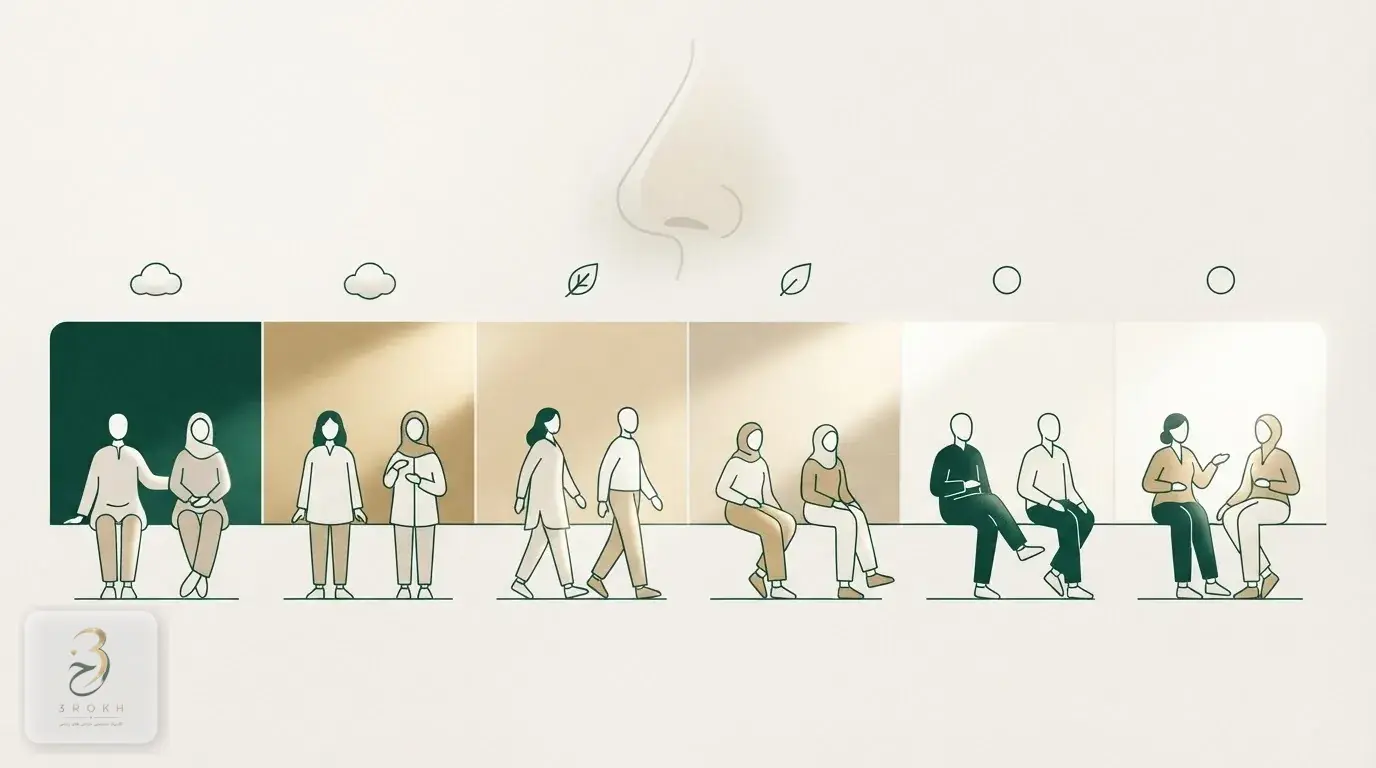
Before judging whether a revision is "too early" or "on time," it helps to understand the healing curve itself. Rhinoplasty recovery is not linear — it happens in overlapping waves:
| Timeframe | What's happening |
|---|---|
| Weeks 1–3 | Swelling and bruising peak, mostly around the bridge and under the eyes |
| Months 1–3 | Surface swelling subsides and the general shape becomes visible — still far from the final result |
| Months 3–6 | The tip still carries hidden swelling; this is when patients most often mistakenly worry about tip crookedness or asymmetry |
| Months 6–12 | Underlying tissue softens and internal scar tissue reaches relative maturity; most major visible changes happen here |
| Months 12–18 | The finest changes in shape, especially at the tip, are still settling (longer for thick, oily skin) |
This gradual, months-long healing pattern is exactly what defines the safe interval before a revision — it isn't an arbitrary rule. Medical references describe rhinoplasty recovery as a multi-stage process rather than a single event (StatPearls — Rhinoplasty).
Why Surgeons Make You Wait: The Tissue Behind the Timeline
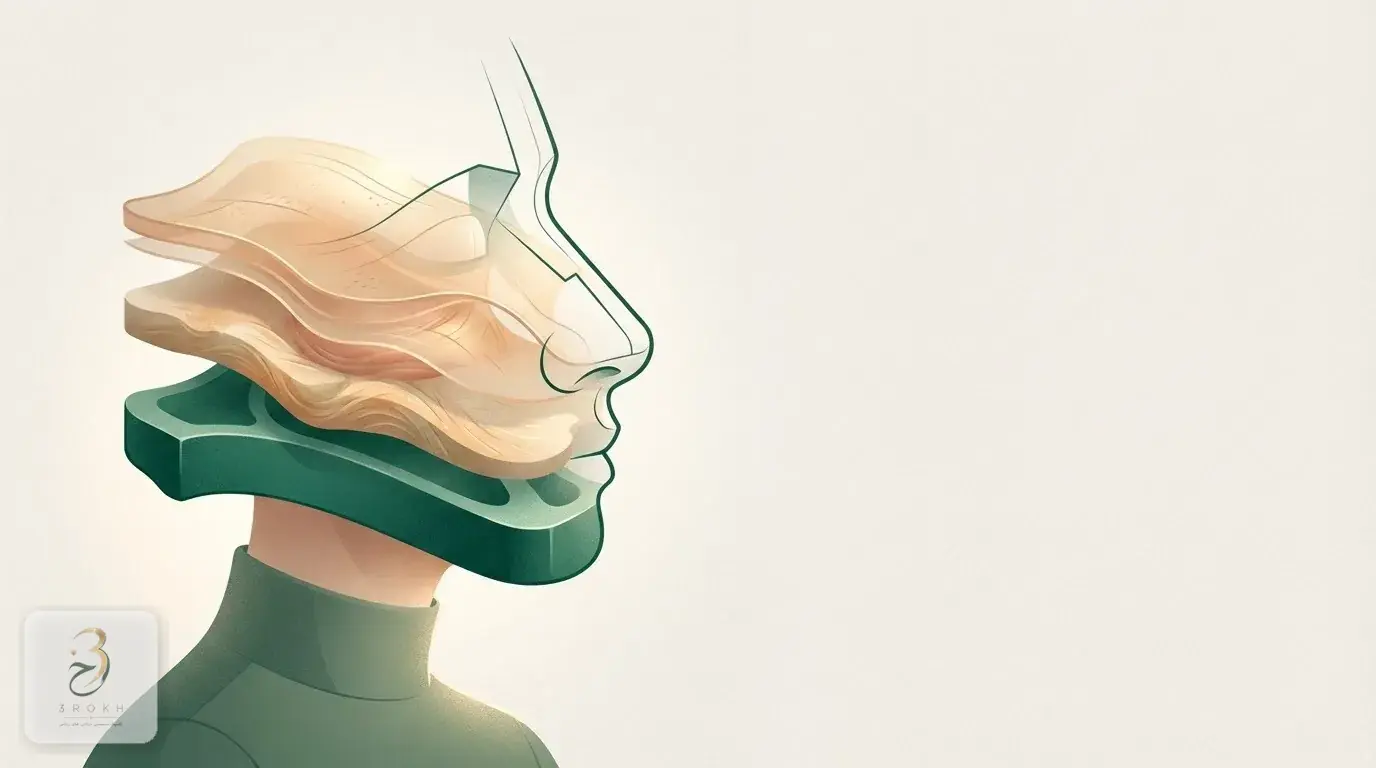
A question many patients ask is: "Why should I wait a year when the problem is obvious right now?" The answer lies in three tissue layers a revision has to work through:
- Skin and the layer beneath it: Every surgery triggers an inflammatory response and temporary thickening. Until that inflammation fully resolves, a surgeon cannot accurately judge the true shape underneath.
- Internal scar tissue: The incisions and cartilage repositioning from the first surgery create scar tissue that is firm and heavily vascularized in the early months — operating on it too soon means more bleeding and more collateral tissue damage.
- Cartilage and structural support: If cartilage was moved or removed in the first surgery, the body needs time to show its final reaction — gradual settling or contraction — to that change.
Operating on tissue that is still inflamed and immature reduces surgical precision and raises the risk of damaging the remaining blood supply, which is already more limited after a first surgery. This is why plastic surgery associations generally recommend letting one full healing cycle complete before any firm decision about revision surgery (ASPS — Rhinoplasty).
Signs That Are Normal, Not Red Flags

Much of the early anxiety after rhinoplasty comes from mistaking normal healing signs for a poor outcome. A few common ones:
- Mild tip asymmetry in the first months: Swelling rarely subsides in perfectly symmetric fashion, and this alone does not mean anything went wrong surgically.
- Numbness or tip stiffness: The nerves in the tip's skin regenerate more slowly than elsewhere, and this numbness can persist for months.
- A small bump at a cartilage graft site: Until the surrounding swelling has fully settled, this can look more pronounced than it actually is.
- Firmness of the bridge skin: Especially with oily, thicker skin, this firmness can continue for months before gradually softening.
If you treat any of these as definitive proof of a failed surgery at month two or three, you may end up trying to "fix" something that is still in the process of fixing itself.
When You Shouldn't Wait: Genuine Warning Signs
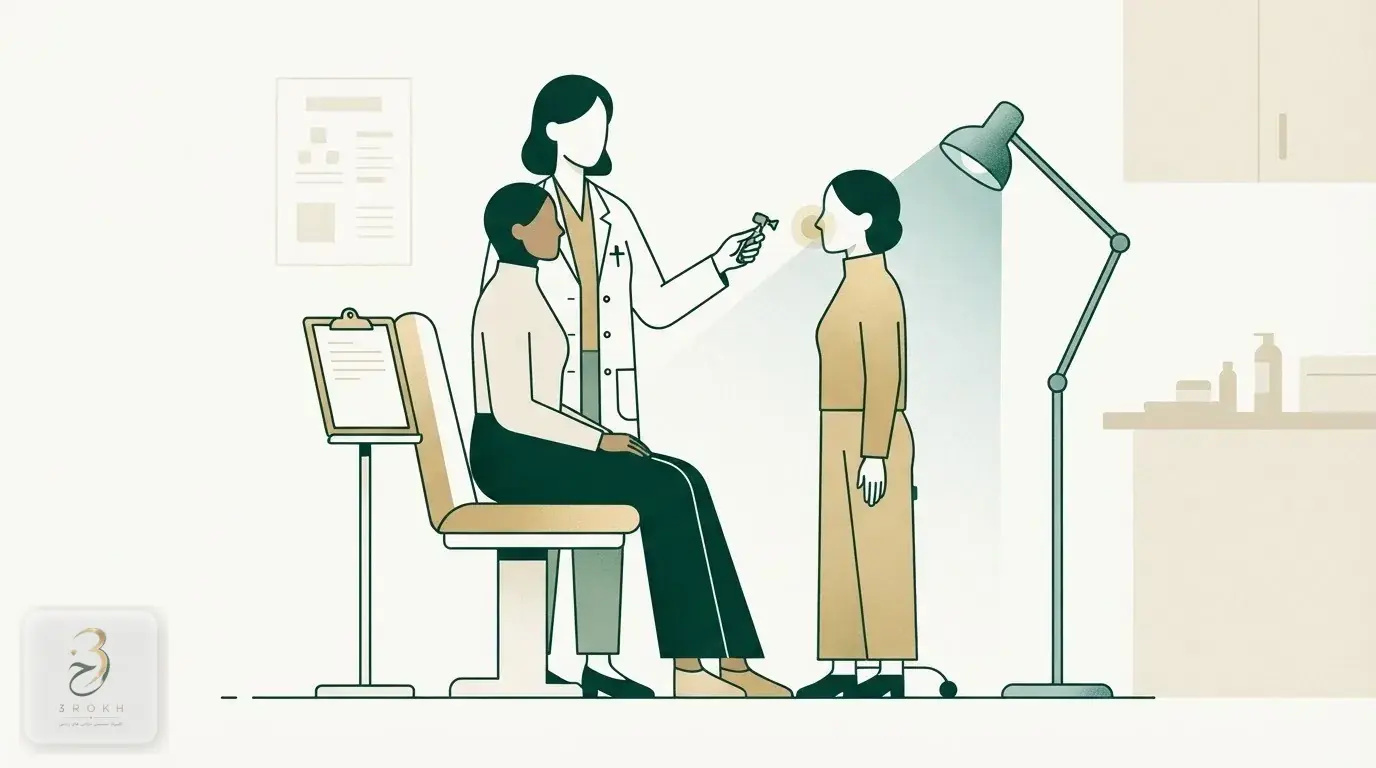
On the other hand, some signs call for early evaluation — even if surgery itself isn't necessarily needed right away, assessment shouldn't be delayed:
- Breathing that gets worse instead of better: Initial swelling makes breathing harder, but if it worsens after several weeks or fails to improve over time, it needs to be checked.
- Signs of infection: Increasing redness, escalating pain, fever, or discharge from the incision sites are urgent.
- Direct physical trauma to the nose after surgery: An impact or accident that shifts the nose's shape needs prompt assessment, regardless of how long it's been since the first surgery.
- Obvious structural deformity, such as a visibly collapsing bridge or a perforated septum: these don't require months to diagnose.
The key distinction: seeking an early evaluation is different from having early revision surgery. A surgeon can see you sooner, identify the cause, and in most cases still recommend waiting for full tissue maturity — unless infection or acute injury is involved.
Biological Readiness: When Is Your Body Actually Ready?
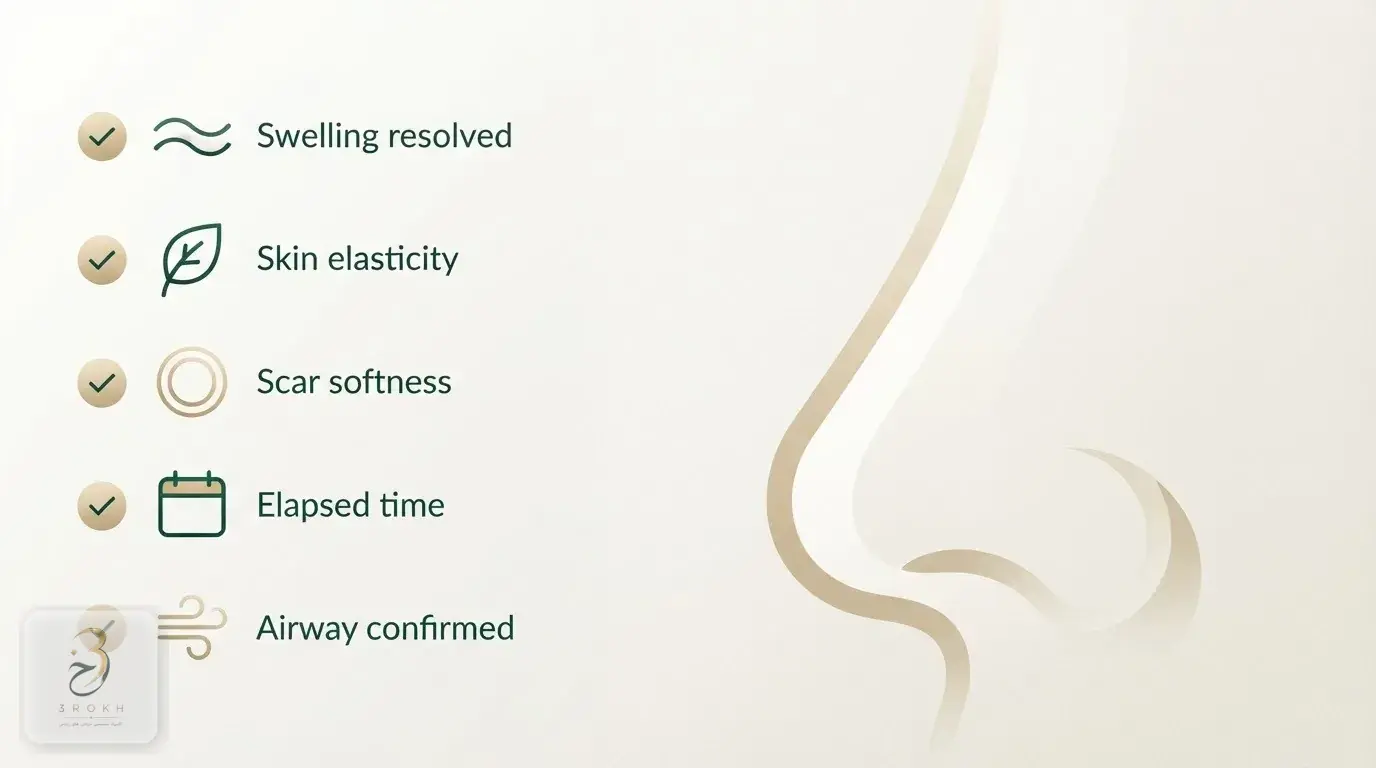
Rather than relying on a single fixed number for everyone, discuss these criteria with your surgeon during a consultation:
- General swelling has fully resolved, with no further visible reduction over time.
- Skin elasticity has returned to normal, without the early post-surgical firmness.
- Internal scar tissue has softened — something only a direct clinical exam can assess, not a mirror.
- At least 9 to 12 months have passed since the first surgery, and sometimes up to 18 months for tip-limited changes or corrections requiring additional cartilage grafting.
- Any breathing complaint has been confirmed through clinical assessment, not just subjective sensation.
These are exactly the points evaluated during a revision rhinoplasty consultation.
Psychological Readiness: When the Problem Isn't the Nose, It's the Expectation

An aspect rarely covered elsewhere is psychological readiness. Some patients who seek revision are fully ready tissue-wise, but the real issue lies elsewhere:
- Unrealistic expectations from the first surgery: Sometimes the result is clinically normal and appropriate for the patient's anatomy, but doesn't match the mental image they had going in.
- Obsessive focus on a very minor flaw that's nearly imperceptible to an outside observer — this can signal a need for further conversation before deciding on a second surgery, not necessarily a surgical error.
- Deciding during a period of acute distress, such as right after seeing the first post-op photos, while swelling is still significant and judging the final result is premature.
A responsible surgeon screens for this distinction before agreeing to a revision, because operating on a nose that is tissue-healthy doesn't solve the problem if the real source of dissatisfaction lies elsewhere.
Why Surgeon Experience Matters Even More the Second Time

Technically, revision rhinoplasty is more demanding than a first surgery: less healthy tissue to work with, more scarring, and less predictability. This makes the choice of surgeon even more important the second time around — the same criteria that matter for choosing a trustworthy cosmetic surgeon carry more weight here: demonstrated experience with revision cases, comfort working with cartilage grafts, and the honesty to say the timing isn't right yet, even when that's not what a patient wants to hear.
When to Talk to a Doctor
If it's been more than 9 to 12 months since your previous rhinoplasty and you're still unhappy with the shape or your breathing, or if you notice any of the warning signs above, the right next step is a revision rhinoplasty consultation. During that visit, a direct clinical exam — not just the calendar — determines whether your tissue is genuinely ready or whether a little more time is needed. If you're still in the early recovery period, the week-by-week rhinoplasty recovery guide can help you understand exactly where you stand on that timeline.
Sources
Frequently asked questions
How long should I wait after my first rhinoplasty before getting a revision?
Usually at least 9 to 12 months, and sometimes up to 18 months for subtle tip corrections — enough time for swelling to fully resolve and scar tissue to mature.
If I have trouble breathing after my first surgery, should I wait or act sooner?
If breathing doesn't improve over time or gets worse, you should be examined sooner. That usually means earlier evaluation, not necessarily earlier surgery.
How do I know if my tip asymmetry is normal or needs a revision?
In the first months, mild asymmetry is usually part of normal swelling resolution. A definitive answer requires a clinical exam.
Is revision rhinoplasty harder than the first surgery?
Yes, it's technically more demanding because there's less healthy tissue and more scarring to work around, which makes surgeon experience even more important.
What if I'm unhappy with my result but my surgeon says the nose looks normal?
That can signal a gap between expectation and a realistic outcome. Further discussion with your surgeon before any decision is recommended.
When is revision rhinoplasty considered urgent?
Only in cases of infection, direct physical trauma, or an obvious structural deformity. Otherwise, even real concerns usually call for early evaluation rather than immediate surgery.
Related services
Comments
No comments yet. Be the first to write one.
Related articles
Reducing Nasal Projection: When It's Possible and When You Need Revision Surgery
Genuinely reducing nasal projection is only possible through surgery — filler only adds volume. This article explains why reducing projection is harder than adding it, which techniques actually work, and when revision surgery makes sense.
Read moreRevision Rhinoplasty: What It Can Fix, What It Cannot, and When You Actually Need It
Not every disappointment after a nose job needs a second operation. A map of the real post-rhinoplasty problems and their causes, the non-surgical options, and the situations where revision surgery is the wrong answer.
Read moreRhinoplasty Recovery: A Week-by-Week Guide to the Final Result
Why healing happens in phases, normal versus worrying bleeding, medication and nutrition, taping and massage, tip numbness and the swelling timeline — each claim referenced to an authoritative source, from the first hours to month twelve.
Read moreWhat Is a Rhinology Fellowship, and Why Does It Matter for Your Nose?
A rhinology fellowship is a one- to two-year subspecialty program after ENT board certification, focused entirely on the nose, septum, and sinuses. Here's exactly what it trains for and when it actually matters.
Read moreRemoving Splint and Taping: What to Expect
The external splint usually comes off 7–10 days after surgery and internal splints at 10–14 days. Removal takes minutes, and taping continues for 3–6 weeks afterwards to control swelling.
Read moreAppetite-Stimulant Pills After Rhinoplasty: Are They Safe?
Temporary appetite loss after rhinoplasty is normal and usually resolves on its own. This article explains what appetite-stimulant pills typically contain, why they don't fit the recovery period well, and when weight loss genuinely needs evaluation.
Read more