Rhinoplasty
The Cost of Rasping and Minor Nose Correction Without a Full Rhinoplasty

Quick answer
Rasping the nose is not a separate non-surgical service; it is a step of surgery that smooths the bone of the bridge. A limited correction may be enough for a slight hump, but it still needs a surgeon, anaesthesia or sedation, a surgical facility and follow-up, so its cost does not fall in proportion to the size of the job and there is no confirmed public figure.
- Se Rokh starting figure (primary rhinoplasty)
- From 58 or 68 million toman; no separate figure published for limited correction
- Three meanings of 'without a full operation'
- Limited surgery, filler (adds, does not remove), waiting and review
- Ask first
- What incision? Who, with what anaesthesia? In which licensed facility?
- Service page
- Rhinoplasty (Nose Surgery)
Whether limited correction is possible, and its figure, is set only after the nose is examined.
Key points
- Rasping the nose is not a separate non-surgical service; it is a step of surgery that smooths the bone of the bridge.
- A limited correction may be enough for a slight hump, but it still needs a surgeon, anaesthesia or sedation, a surgical facility and follow-up.
- Filler adds volume and does not remove bone, and there is no confirmed public figure for rasping.
What Rasping and Minor Nose Correction Cost: The Short Answer
"Rasping the nose" is not a separate, non-surgical service; it is a step of surgery in which the surface of the nasal bone is smoothed with a file-like instrument. When someone asks "how much does it cost to rasp the nose?", they usually mean a small correction, such as a slight hump on the bridge, without a full operation. A limited correction like that may be enough for some noses, but even then it still needs a surgeon, anaesthesia or sedation, a surgical setting and follow-up. That is why the cost of a small correction does not usually fall in proportion to how small the job is.
Se Rokh has not published a separate figure for rasping or minor correction. The primary rhinoplasty starting figure is 58 million toman with Dr. Yousefian and 68 million toman with Dr. Hashemi, with 2 million toman of consumables charged separately; those figures are for primary rhinoplasty and are not an estimate for a limited job. Whether a limited correction is possible for your nose, and what it would cost, is known only after an examination.
This article is educational. It explains what rasping is, the different things "without a full operation" can mean, why a small job's cost is not proportional to its size, and what to ask so that a cheaper-looking offer does not trap you.
What "Rasping" Actually Means
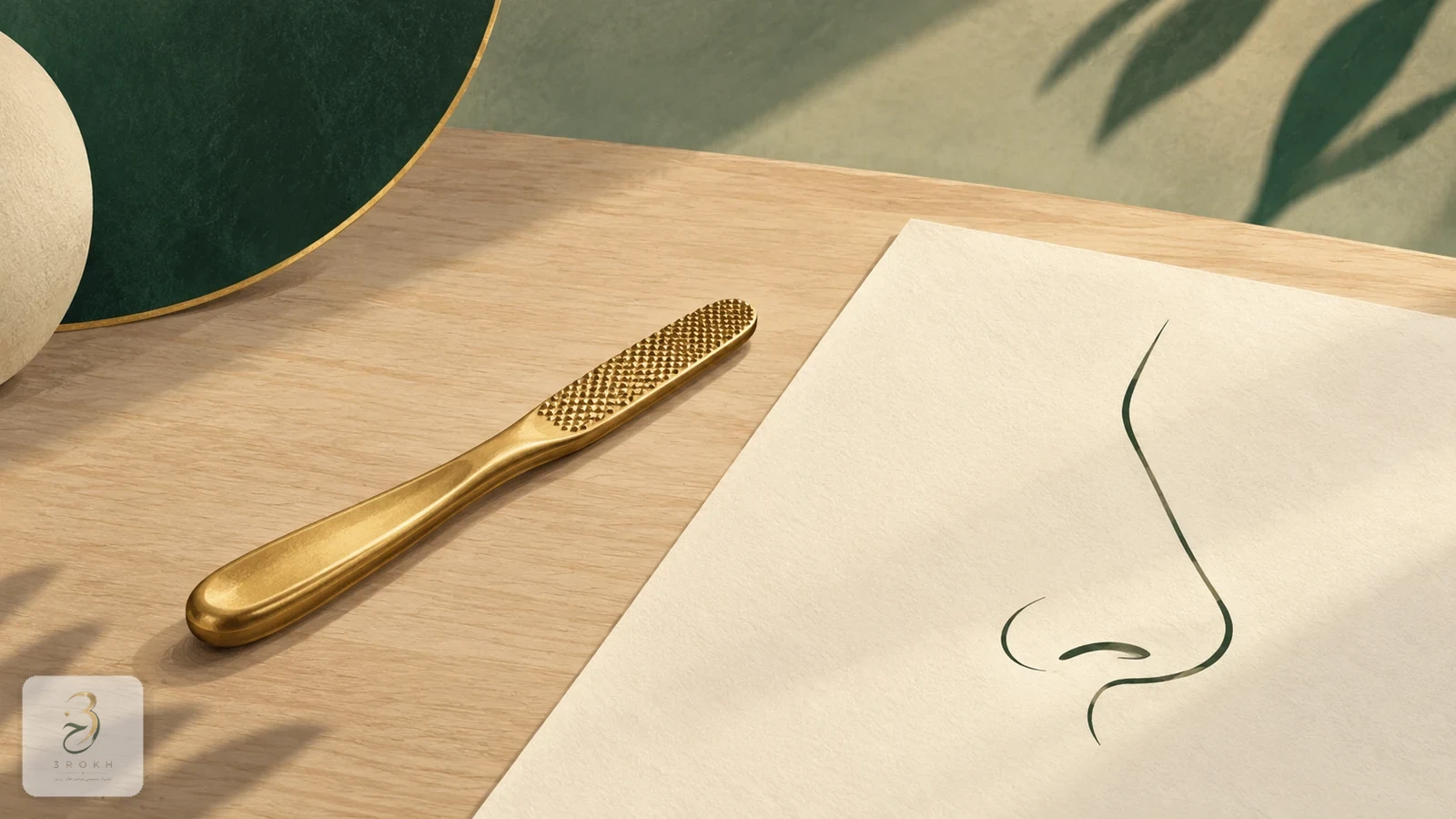
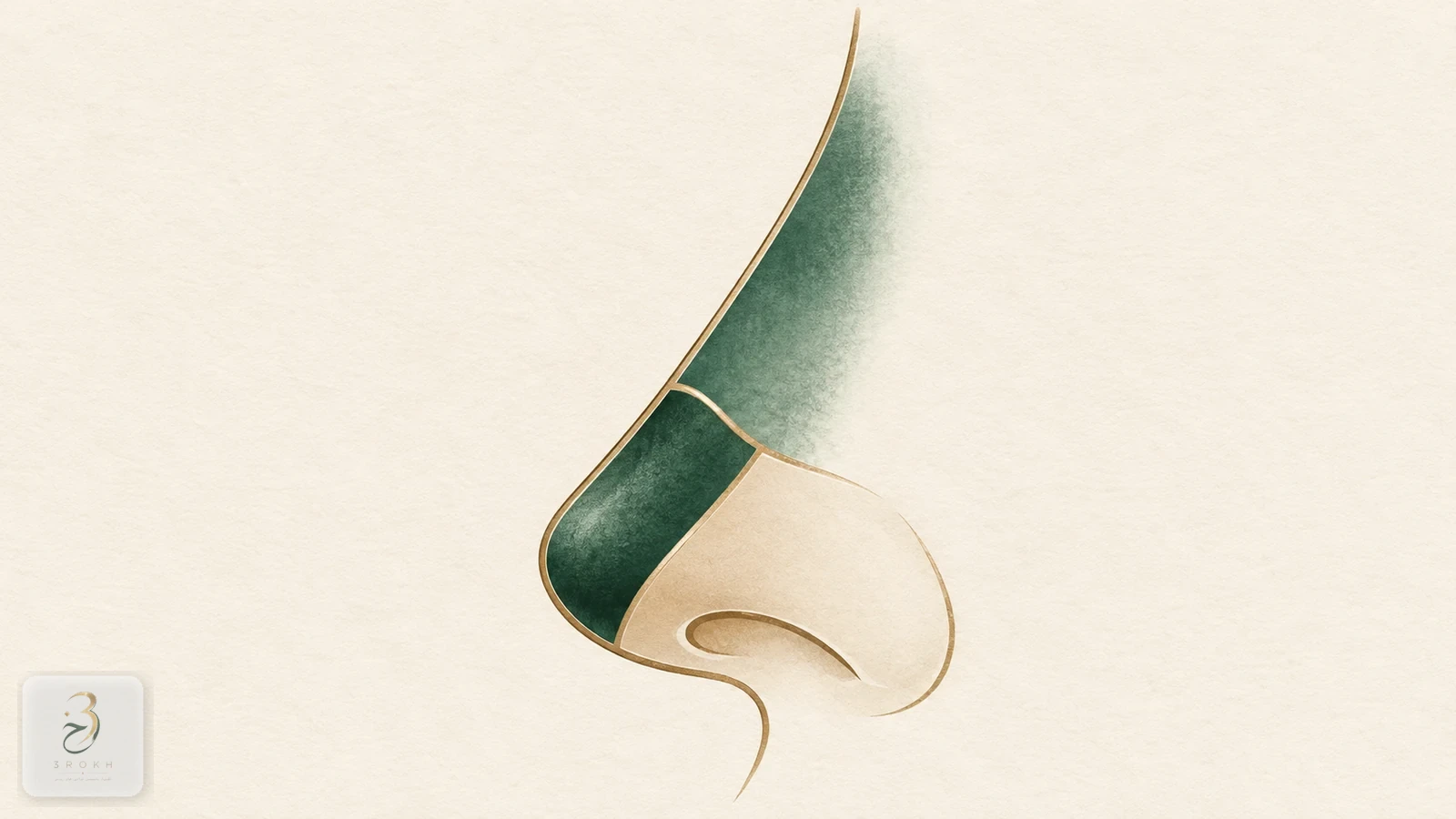
In nose surgery, the American Society of Plastic Surgeons (ASPS) explains that an overly large nose can be reduced by removing bone or cartilage, through closed incisions (inside the nose) or open ones (across the strip between the nostrils). A rasp is one of the instruments used to smooth the surface of the bone on the bridge; the surgeon uses it to file down small irregularities.
A few points for understanding it correctly:
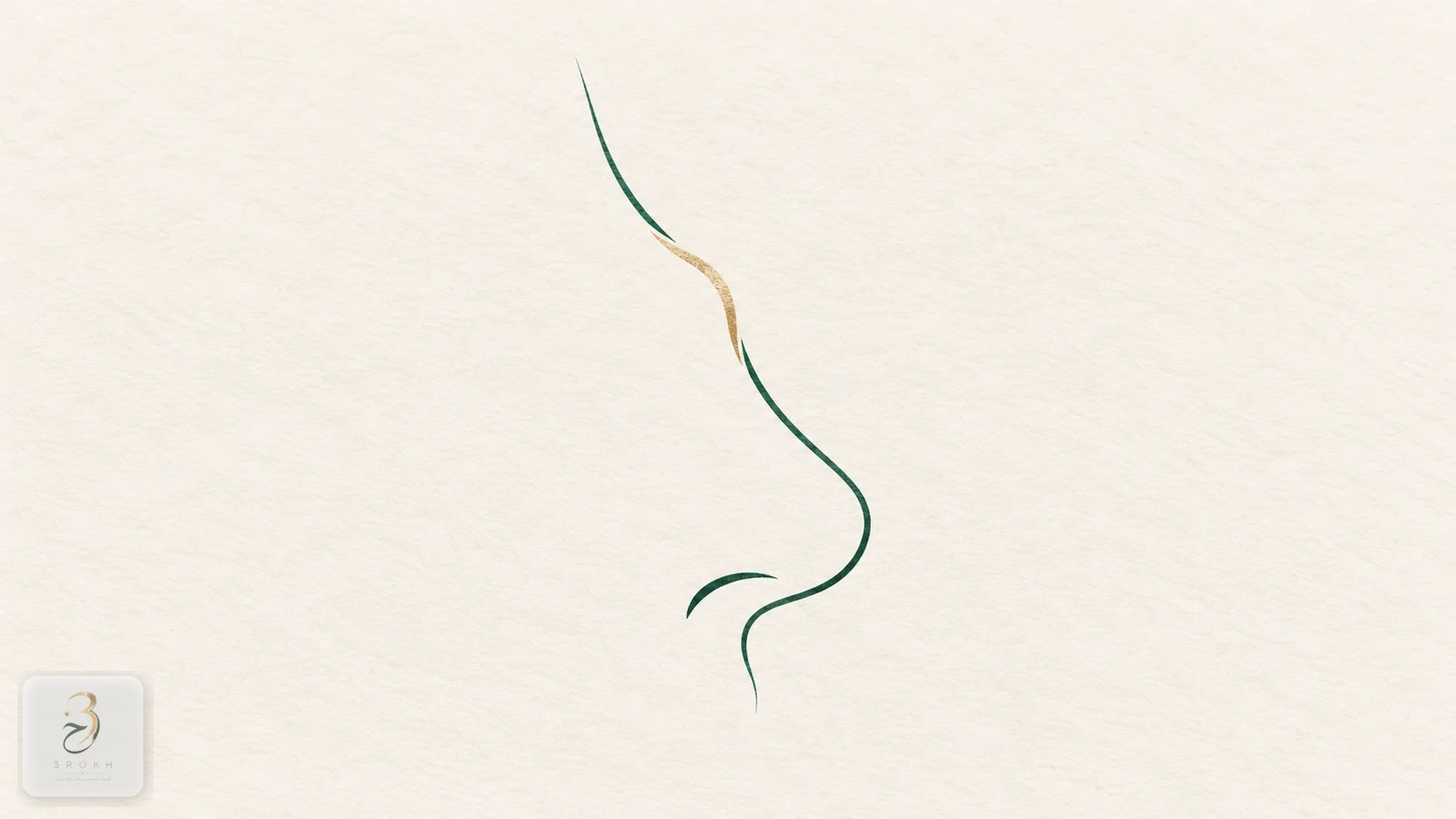
- A rasp is a tool, not a type of surgery. Working with it always happens inside an operation, and that operation needs an incision and access to the bone.
- Removing a bump is only one decision. The surgeon has to judge whether smoothing the bridge stays in harmony with the tip, the width of the bone and breathing.
- A rasp suits only bone or small, limited irregularities. If your concern is deviation, the tip or width, rasping alone will not fix it.
So when you see an offer called "rasping", instead of thinking it is a new method, ask: what incision does this involve, who does it and with what anaesthesia, and in which facility?
"Without a Full Operation" Can Mean Three Different Things
In everyday talk the phrase covers three very different things, and they differ in cost and risk.

| Meaning | What it is | What it does | Limitation |
|---|---|---|---|
| Limited surgery | A real operation with a small scope, such as removing a slight hump | Removes bone or cartilage | Still surgery, with anaesthesia or sedation, a surgical facility and follow-up |
| Filler injection ("non-surgical nose job") | Gel injected in chosen spots | Adds volume and can make a bump look smaller in profile | Does not remove bone, is temporary and has its own complications |
| Wait and review | Reassessment after swelling settles | Some changes resolve on their own | Does not solve every problem |
Filler has its own article where it truly applies: fixing a crooked nose without surgery. The point that matters here is that filler adds to the bone rather than taking from it. A 2024 systematic review of 9,657 patients reported overall satisfaction of about 99% and an overall complication rate of about 39%; most complications were mild (redness and swelling, around 28%), but serious vascular complications, such as arterial occlusion that can lead to skin necrosis or vision problems, occurred in 0.27%. So "non-surgical" does not mean "risk-free".
Why a Smaller Correction Is Not Cheaper in the Same Proportion
A surgery's cost is made of several components, and only some of them shrink when the job gets smaller. This breakdown is general logic, not a clinic's figures.

- Rows that stay nearly fixed: the surgeon's assessment and planning, the presence of an anaesthesiologist or whoever gives the sedation, a sterile space and monitoring equipment, recovery and follow-up visits. Even a short operation needs all of these.
- Rows that may shrink: operating-room time, the volume of consumables and sometimes the type of anaesthesia.
- Rows that may grow: if it becomes clear during the work that the bump is only part of the problem and the tip or cartilage also needs attention, the scope grows.
The result: a limited correction may cost less than a full rhinoplasty, but it is not an automatic discount, and there is no confirmed public figure for it. So the right question is not "how much is rasping?" but "which rows does my nose need and how much is each?" We explain the rows of an estimate in our guide to reading a rhinoplasty invoice, and the overall cost structure in the hidden costs of rhinoplasty. If your decision is between the tip and the whole nose, see tip-plasty cost compared with full rhinoplasty.
The Evidence: How Well Does Limited Correction of the Bridge Work
There is little organised data on "rasping" on its own, but a few findings help.

- Powered rasping: in a retrospective review of one surgeon's experience (220 consecutive rhinoplasties, of which 140 needed bone reduction), all but five patients were initially satisfied with the refinement of the bony contour and no serious complications were seen. Only one patient, who had not carried out the planned monthly steroid injections, needed revision surgery to remove regrown bone. This is one surgeon and one centre and cannot be generalised.
- Limited procedures outside a hospital: in a review of 199 selected patients (almost all ASA class 1) who had facial cosmetic procedures under oral sedation and local anaesthesia in an office-based surgical facility, no major complications or sedation problems were recorded. The list included three tip rhinoplasties and 15 "minor revisions". This suggests some limited jobs, in a suitable facility and for a suitable patient, can be done more safely than people assume, but patient selection, equipment and expertise are the essential conditions, not the smallness of the work.
- A reason for caution: in a review of 369 cosmetic rhinoplasties at one practice, failing to address the tip in the primary operation was associated with greater dissatisfaction; that is, even when the patient's concern is the bridge, the surgeon has to look at the whole nose.
None of this is a promise of a result. It only reminds you that a job being "small" does not remove the need for a suitable facility, careful assessment and follow-up.
When Limited Correction Is Not Enough
Smoothing the bridge with a rasp may be enough when the only problem is a slight bony hump. In these situations more is usually needed:
- The tip needs to change too: when the bridge comes down, the tip can look relatively higher or less defined. It is explained in the article on the nasal tip and tip-plasty.
- The width of the bone or the base of the nose: rasping does not solve this.
- A deviated nose or a breathing problem: this needs septal correction; see the septoplasty page.
- Thick skin or a fleshy nose: the result of smoothing bone is less visible through thick skin. Compare the fleshy nose with the bony, humped nose.
- Previous nasal surgery: this is a revision case with a different plan and figure; see revision rhinoplasty.
Only an examination tells you which of these is yours. If after examining you the surgeon says "a limited correction is enough for you", ask for that in writing, together with what happens if it turns out during the work that it is not enough.
A "Cheap Rasping" Offer: What to Ask
Offers advertised as "rasping", "hump removal in an hour" or "correction without surgery" need questions more than anything. ASPS says rhinoplasty is performed in an accredited office-based surgical facility, a licensed ambulatory surgical centre or a hospital; so a good facility is defined not by the type of building but by accreditation and licence.

- What incision exactly is involved, and is it done from inside the nose or with an open approach?
- Who is the responsible surgeon, and what are their specialty and medical council number?
- Who gives the anaesthesia or sedation, and what is their specialty?
- In which facility is it done, what is its licence, and does it have an emergency plan?
- Is the figure a total, only the fee or a deposit? Toman or rial?
- How many follow-up visits are there? If the result is not enough, what are the terms?
- Why is a limited correction enough for my nose and not a full rhinoplasty?
If the answers are vague or come with pressure to pay at once, read signs of an unreliable rhinoplasty advertisement and rhinoplasty on a limited budget. A figure far below the rest, without a written explanation, is by itself reason enough to stop.
When to Consult a Doctor
An in-person consultation is needed if:
- You have a small bump or irregularity on the bridge and want to know whether a limited correction is possible for you.
- After an injury or earlier surgery you can feel a bump or a sharp edge of bone.
- You have received an offer called "rasping" or "non-surgical" and want to know exactly what it is.
- You have a breathing problem and do not know whether correcting the bridge is enough.
- After a nose filler you have pallor, severe pain, skin discolouration or any vision disturbance; these signs need urgent assessment, so do not wait for a consultation appointment.
To book, use the booking form or the contact page. You can see examples of results in the gallery, meet the surgeons on the doctors page and read about the overall process on the rhinoplasty page.
Sources
- American Society of Plastic Surgeons — Rhinoplasty Procedure Steps
- American Society of Plastic Surgeons — Rhinoplasty Preparation
- American Society of Plastic Surgeons — Rhinoplasty Cost
- Hump Rasping Using Powered Instruments: A Retrospective Review, Plast Reconstr Surg Glob Open 2024
- Butz DR et al. — Facial Aesthetic Surgery: The Safe Use of Oral Sedation in an Office-Based Facility, Aesthet Surg J 2016
- Neaman KC et al. — Cosmetic rhinoplasty: revision rates revisited, Aesthet Surg J 2013
- Song D et al. — Nonsurgical Rhinoplasty: An Updated Systematic Review of Technique, Outcomes, Complications, and Its Treatments, Aesthetic Plast Surg 2024
Frequently asked questions
How much does rasping the nose cost?
There is no confirmed public figure and Se Rokh has not published a separate one. Rasping is a step of surgery, and even a limited correction needs a surgeon, anaesthesia or sedation, a surgical facility and follow-up, so the cost does not fall in proportion to the size of the job. The final figure is set after examination.
Can a small hump be removed without surgery?
No. Filler only adds volume and can make a hump look smaller in profile, but it does not remove bone, it is temporary and it has its own complications. Removing bone is always surgery.
How common are complications of nose filler?
A 2024 systematic review of 9,657 patients reported overall satisfaction of about 99% and an overall complication rate of about 39%. Most were mild (redness and swelling, about 28%), but serious vascular complications such as arterial occlusion occurred in 0.27%.
When is limited correction not enough?
When the tip, bone width or base also needs to change, when there is a deviated septum or breathing problem, when the skin is thick, or after previous surgery. The surgeon has to look at the whole nose.
What should I ask about a cheap rasping offer?
What incision it involves, who does the surgery and anaesthesia, in which licensed facility, whether the figure is a total or a deposit, toman or rial, and why limited correction is enough for your nose.
Related services
Comments
No comments yet. Be the first to write one.
Related articles
Can You See Rhinoplasty Results Before Surgery? Simulation and Its Limits
What computer simulation before rhinoplasty actually shows, and why it can't guarantee the final result — based on clinical studies, not an app roundup.
Read moreWhat Is Nasal Projection? A Map of Nasal Terms With Reference Numbers
Projection, dorsum, radix, columella and the nasolabial angle — the terms a surgeon uses in consultation, with reference ranges and an answer to why a nose can look more projected after surgery.
Read moreWhy Rhinoplasty Surgeon Prices Differ Up to Threefold — and Which Differences Are Real
A rhinoplasty price has several components, and two quotes can only be compared when those match. This article separates real differences (training, experience, case mix, facility) from cosmetic ones (brand, advertising).
Read moreThyroid Disease and Anaesthesia Before Rhinoplasty: When Is It Actually Risky?
Hypo- and hyperthyroidism don't rule out rhinoplasty, but they do affect anaesthesia. The real reference TSH number, the difference between thyroid storm and myxedema coma, and whether to take your medication on surgery day.
Read moreWhy Does Revision Rhinoplasty Cost More Than the First Surgery?
Revision rhinoplasty typically costs more than a primary nose job. This guide explains the real reasons — from scar tissue to cartilage grafting — and how to manage the cost wisely.
Read moreThe Hidden Costs of Rhinoplasty: Anesthesia, Facility, Tests, and Follow-Up Visits
A clinic's "starting from" figure usually covers only the surgeon's fee and the operating room. Four other line items — anesthesia, the facility, tests, and extra follow-up visits — may be billed separately; here is what to ask before you commit.
Read more