

Rhinoplasty
Cost of Bony and Humped Nose Rhinoplasty Compared with a Fleshy Nose
Quick answer
There is no fixed figure saying a bony, humped nose costs less or more than a fleshy one. The challenge of a bony nose is bone shape, thickness and the hump; of a fleshy nose, the thick soft envelope. The final figure comes from the real complexity of the case.
- Bony-nose challenge
- Bone shape and thickness, hump correction
- Fleshy-nose challenge
- Thick soft envelope, later-settling swelling
A firm figure is given after examination.
Key points
- There is no fixed figure comparing the cost of bony and fleshy noses.
- A bony nose is mainly a bone and hump challenge; a fleshy nose a thick soft-envelope challenge.
- The final figure comes from the real complexity of the case and is given after examination.
Cost of bony and humped nose rhinoplasty compared with a fleshy nose
There is no fixed figure to say a bony nose costs less or more than a fleshy one, and Se Rokh has published no separate number for either. What can be said is the logic of the two types of work: in a bony, humped nose the main work is on the bone and cartilage of the bridge and the accuracy of measurement and cutting matters; in a fleshy nose the main challenge is the thick soft envelope and controlling swelling. Each has its own kind of difficulty, and the final figure comes from the real complexity of each case, not from the "type" of nose.
This article is educational. It explains what bony and humped mean, which factors affect the surgeon's work and when the costs of the two types may be close or far apart. See the surgeons' starting figures in the article on rhinoplasty cost in Tehran. For the fleshy type read the article on fleshy nose rhinoplasty cost.

What bony and humped nose means

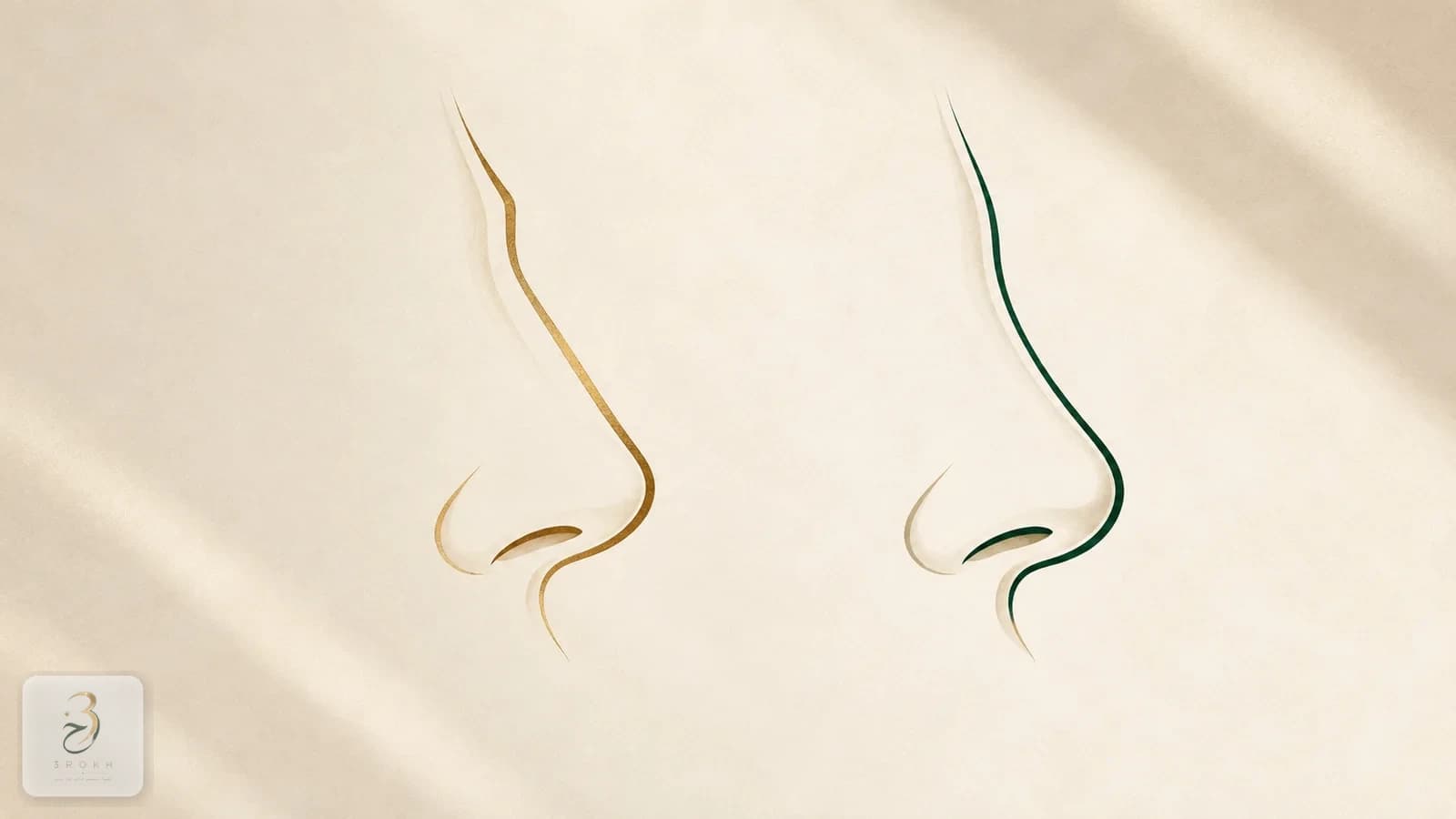
A "bony nose" in everyday speech usually means a nose with thinner skin whose bony and cartilaginous structure shows well beneath the skin, often with a hump on the bridge. A "hump" is the bulge on the bridge that is a combination of bone and cartilage. These are everyday terms, not medical diagnoses, and one nose may have both a hump and a fleshy tip.
Why work on bone is different

In a bony nose, the nasal bone has a different shape, thickness and strength, and that affects the technical difficulty of correction. A study that classified nasal bone shape and thickness by CT says the variability in shape and thickness of nasal bones directly influences the technical complexity and outcome of osteoplasty. That is, two "humped" noses may not be the same job.
Approaches to reducing a hump
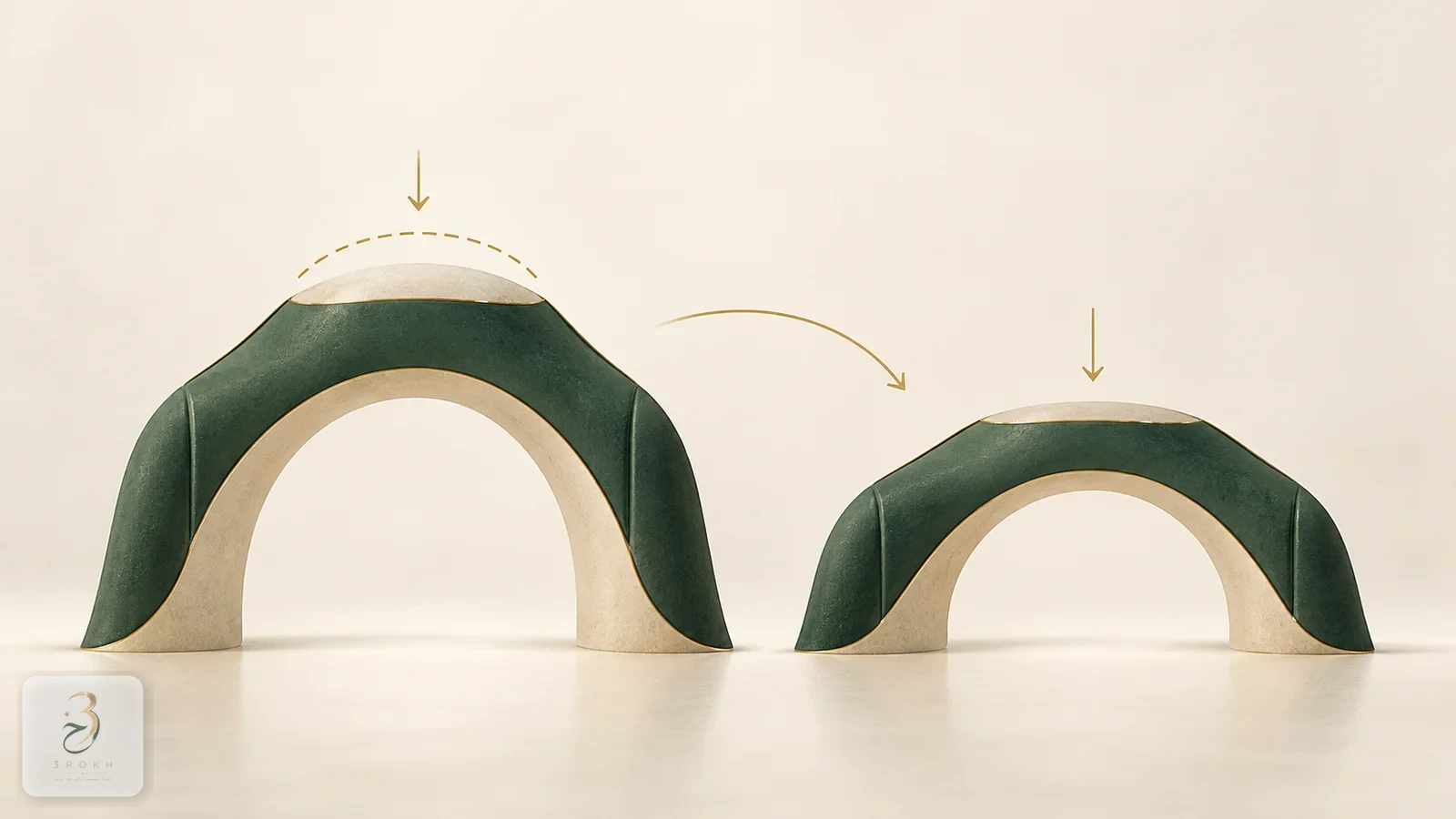
There are two general approaches: the classic method, which removes the hump and rebuilds the bridge, and the preservation method, which lowers the whole bridge as one piece. The choice depends on nasal structure, the surgeon's experience and your goal, and each has its own advantages and limits; read the comparison in the article on preservation and classic rhinoplasty.
Bone width

If the nose has a hump and also wide bones, the surgeon must correct bone width as well as the bridge; that means an additional step of work.
Comparison with a fleshy nose
| Feature | Bony, humped nose | Fleshy nose |
|---|---|---|
| Main challenge | Bone shape and thickness, hump correction | Thick soft envelope, swelling control |
| Visible structure | Shows well beneath the skin | The skin covers the structure |
| Recovery | Swelling usually settles sooner | Swelling settles later |
| Definition of result | Usually shows sooner | May show later |
This table shows common tendencies, not rules; one person's skin may be thick and the nose may also have a hump. That is why it cannot be said without examination which is cheaper. The scientific reason fleshy noses take longer is in the article on fleshy noses.
Total cost and separate lines

For both types the figure is not only the surgeon's fee: there are the facility, anesthesia, consumables, tests and medication as well; the lines are explained in the article on hidden costs of rhinoplasty. If the septum is also deviated or you have a breathing problem, the scope of work is larger and the septoplasty page applies. For previous surgery, it is a revision case and the article on revision rhinoplasty cost applies.
What to ask before you decide

- Is my nose more bony, more fleshy, or a mix?
- Which method do you propose for my hump, and why?
- Will bone width also be corrected?
- How long will recovery and the appearance of the final result take for me?
- What does the quote include?
When to speak to a doctor
- When you do not know whether your nose is bony or fleshy and want a cost estimate.
- When you have a history of nasal trauma or fracture.
- When, besides a hump, you have a breathing problem.
For a consultation book an appointment or see the rhinoplasty page.
Sources
Frequently asked questions
Is bony-nose surgery cheaper than fleshy-nose surgery?
There is no fixed figure; each type has its own challenge and the final figure comes from the real complexity of the case.
What is a nasal hump made of?
A hump is a bulge on the bridge made of a combination of bone and cartilage.
What are the ways to reduce a hump?
The classic method, which removes the hump and rebuilds the bridge, and the preservation method, which lowers the whole bridge as one piece; the choice depends on nasal structure and your surgeon.
Can one nose be both bony and fleshy?
Yes; for example it may have a hump and also a broad fleshy tip. That is why the nose must be examined.
Related services
Comments
No comments yet. Be the first to write one.
Related articles
Does Insurance Cover Nose Surgery? Cosmetic vs. Medically Necessary, Explained
Insurers don't judge nose surgery by the result — they judge it by the documented medical reason behind it. When a case counts as therapeutic, when it's cosmetic, and how combined procedures get billed.
Read moreRhinoplasty Cost in Tehran: Dr. Hashemi's and Dr. Yousefian's Starting Prices
Rhinoplasty at Se Rokh starts between 58 and 68 million toman — but what matters more than the number is what sits inside it and what is billed separately. Each surgeon's starting figure, the exact boundary of the quote, and what to send for an accurate price.
Read morePre-Rhinoplasty Tests: The List, the Timing, and How Long Results Stay Valid
Which tests you actually need, how many weeks before surgery to take them, how long each result stays valid — and what an abnormal value really changes.
Read moreMedications and Supplements to Stop Before Surgery: What, and How Many Days Before
Aspirin, herbal supplements, birth control pills, isotretinoin — which ones really need to stop, how many days before surgery, and which must never be stopped on your own, sourced from Mayo Clinic, Cleveland Clinic and an independent scientific review.
Read moreAnemia and Rhinoplasty: What Hemoglobin Level Cancels Surgery?
There is no single fixed, universal hemoglobin number that automatically cancels a rhinoplasty; the decision rests on how severe the anemia is, its cause, and symptoms. This article covers the real reference bands and the reasoning behind each decision, with sources.
Read moreThe Hidden Costs of Rhinoplasty: Anesthesia, Facility, Tests, and Follow-Up Visits
A clinic's "starting from" figure usually covers only the surgeon's fee and the operating room. Four other line items — anesthesia, the facility, tests, and extra follow-up visits — may be billed separately; here is what to ask before you commit.
Read more