

مراقبت بعد از جراحی
Rhinoplasty Recovery: A Week-by-Week Guide to the Final Result

Quick answer
Rhinoplasty swelling resolves in steps: it peaks on day two or three, about 70 percent is gone by month two to three, and the final shape appears between months nine and twelve. The splint comes off around day seven, and taping starts from that point.
- Splint removal
- Around day seven
- Taping duration
- 2-4 weeks, starting after splint removal
- Massage starts
- Week two, only on your surgeon's instruction
- Aspirin and ibuprofen
- Two weeks before to two weeks after, only on your surgeon's advice
- Final shape
- Months 9-12 (thick skin or revision: up to 18 months)
- Procedure page
- /services/rhinoplasty
Aftercare varies with surgical technique and your skin. Wherever your surgeon's instructions differ, follow your surgeon.
Key points
- Swelling after rhinoplasty usually peaks on day two or three and improves from there.
- The nasal splint is normally removed around day seven, and taping begins at that point.
- About seventy percent of the swelling resolves by month two to three, and the final shape appears between months nine and twelve.
- Reducing dietary salt helps swelling settle faster, and fibre prevents the constipation and straining that press on the surgical site.
- Patients travelling from another city usually need to stay in Tehran for eight to ten days.
What Actually Happens After Rhinoplasty
Most anxiety after nose surgery does not come from the operation. It comes from not knowing: is this much swelling normal, how long do I tape, why is my tip still firm at month four? This guide answers those questions in the order you will meet them — from the first hours to month twelve.
One note before we start: this article is educational and does not replace your surgeon's instructions. Aftercare varies with the technique used, your skin thickness and your own circumstances. Wherever your surgeon's advice differs from this page, follow your surgeon.
Why Healing Happens in Steps, Not a Straight Line
Wound healing in the body has three distinct phases, and the step-wise swelling pattern described throughout this guide comes directly from them:
- The inflammatory phase (the first few days): immediately after surgery, blood vessels constrict to stop bleeding, and inflammatory cells move into the tissue to clean the wound. This cellular influx and increased vessel permeability is exactly what produces the swelling and bruising that peaks on day two or three.
- The proliferative phase (the following weeks): granulation tissue and new blood vessels form, and the outer skin layer rebuilds. This drives the faster swelling reduction seen from week two through month two.
- The remodelling and maturation phase (months to a year): newly formed collagen becomes stronger and more organised, and the tissue reaches its maximum strength. This long phase is exactly what delays the final nasal shape until months nine to twelve — and, with thick skin or after revision rhinoplasty, sometimes to month eighteen.
Knowing these three phases explains why no cream or supplement can shortcut this process — it can only be supported, through proper nutrition, avoiding smoking and avoiding extra pressure, never accelerated.
The First Week
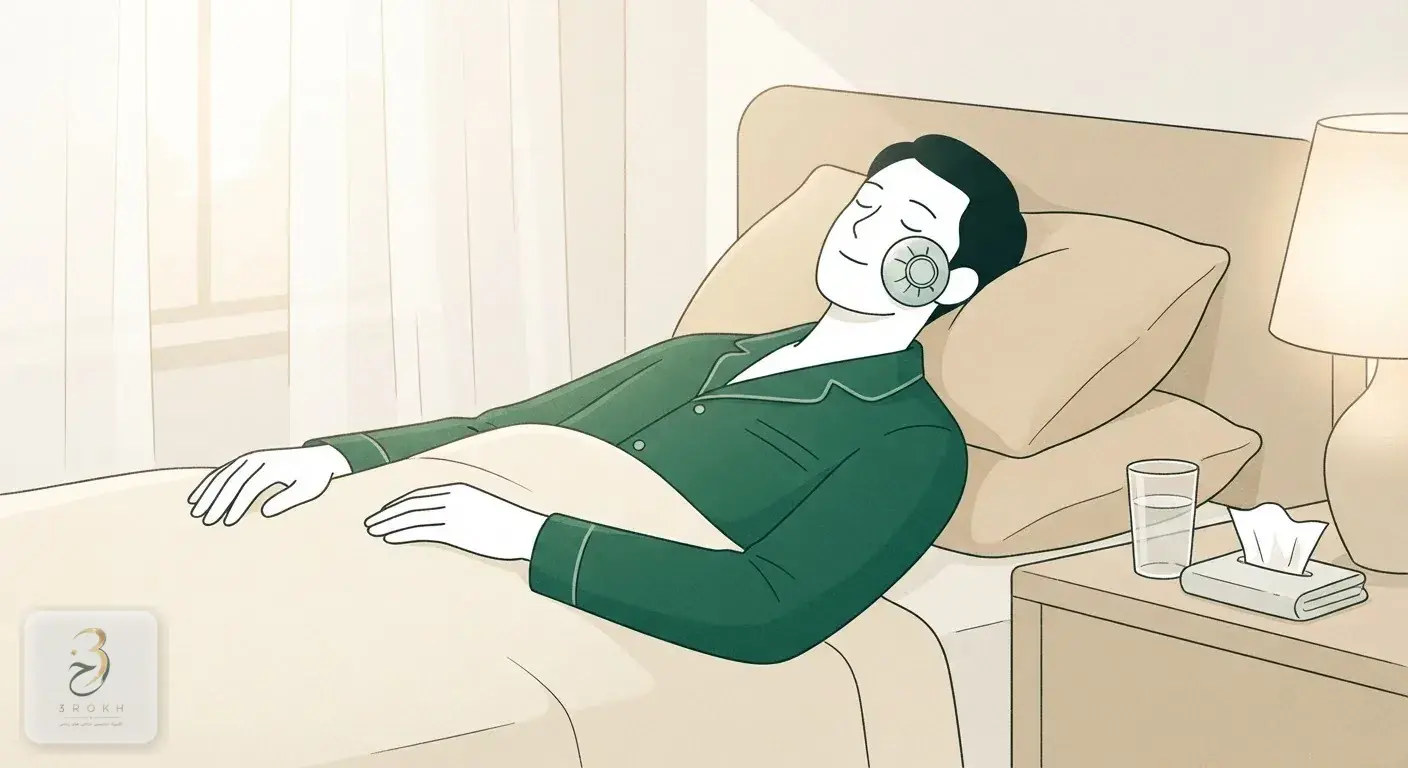
Day of surgery to day three
Swelling and bruising usually peak around day two or three. That is worth knowing: the day you look worst in the mirror is normally the turning point, and things improve from there.
What genuinely helps in these first days:
- Keep your head raised above your chest. Sleep on two pillows or rest semi-upright. Mayo Clinic recommends this specifically to reduce bleeding and swelling.
- Cold compresses on the cheeks, not the nose. Apply around the eyes and cheeks. Putting ice or cold packs directly on the nose after surgery is not advised, and pressure on a freshly operated nose can shift the result.
- Do not bend forward. Picking things off the floor, tying shoes and washing hair over a tub all raise blood pressure in the head and worsen swelling.
- Do not blow your nose. If you must sneeze or cough, do it with your mouth open so the pressure does not go through the nose.
- Stay ahead of the pain. Take analgesia before pain becomes severe; preventing pain is easier than settling established pain.
Day four to day seven
Bruising around the eyes usually fades toward yellow from day four, though eyelid discolouration can take two to three weeks to clear completely. Breathing through the nose is still difficult — the lining is swollen and internal dressings may still be in place. Do not confuse this with a residual deviation; breathing quality cannot be judged for weeks yet.
Most people return to light desk work in this window. Exercise, heavy activity and direct sun remain off-limits.
Bleeding and Drainage: What Is Normal
This is what generates the most worried phone calls, and most of it is normal.
- Normal: light bleeding and drainage of mucus and old blood for a few days after surgery, or after a dressing is removed. The colour is usually pink to brown rather than bright red.
- The drip pad: a small gauze taped under the nose absorbs drainage. Change it as your surgeon directs, and do not press it tightly against your nose — sustained pressure on the tip is exactly what you are trying to avoid.
- Internal dressings: these typically stay in place for one to seven days, and removing them is your surgeon's job, not yours.
Bright, continuous bleeding that does not settle with rest and head elevation is no longer part of the normal course — see the warning signs below.
Medications: What to Take and What to Stop
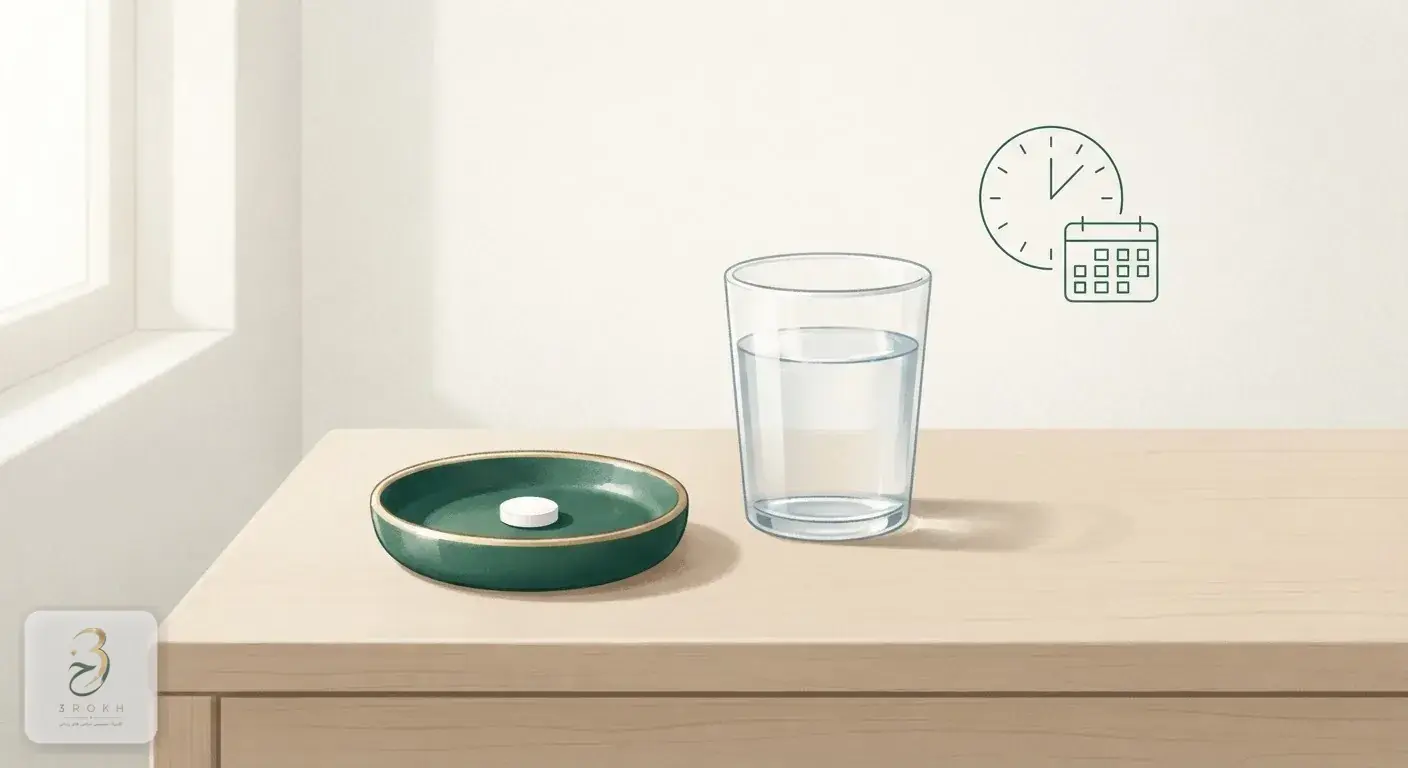
Do not start or stop any medication without your surgeon's approval. This section is not a prescription; it explains why some drugs matter in this window.
- Aspirin and ibuprofen. Mayo Clinic advises avoiding medicines containing aspirin or ibuprofen from two weeks before to two weeks after surgery, because they increase bleeding. If you take these for another condition, raise it before your operation.
- Supplements and herbal remedies. The same source explicitly advises avoiding over-the-counter supplements and herbal remedies in this period. "Herbal" does not mean "harmless" — several of these affect clotting.
- Only what your surgeon approved. Take the analgesia, and any antibiotic you were given, on schedule and in full.
- Smoking and vaping. Nicotine reduces blood flow to the skin. Authoritative sources link it to slower healing, infection risk and even tissue death. This is one of the few variables entirely within your control.
Nutrition During Recovery
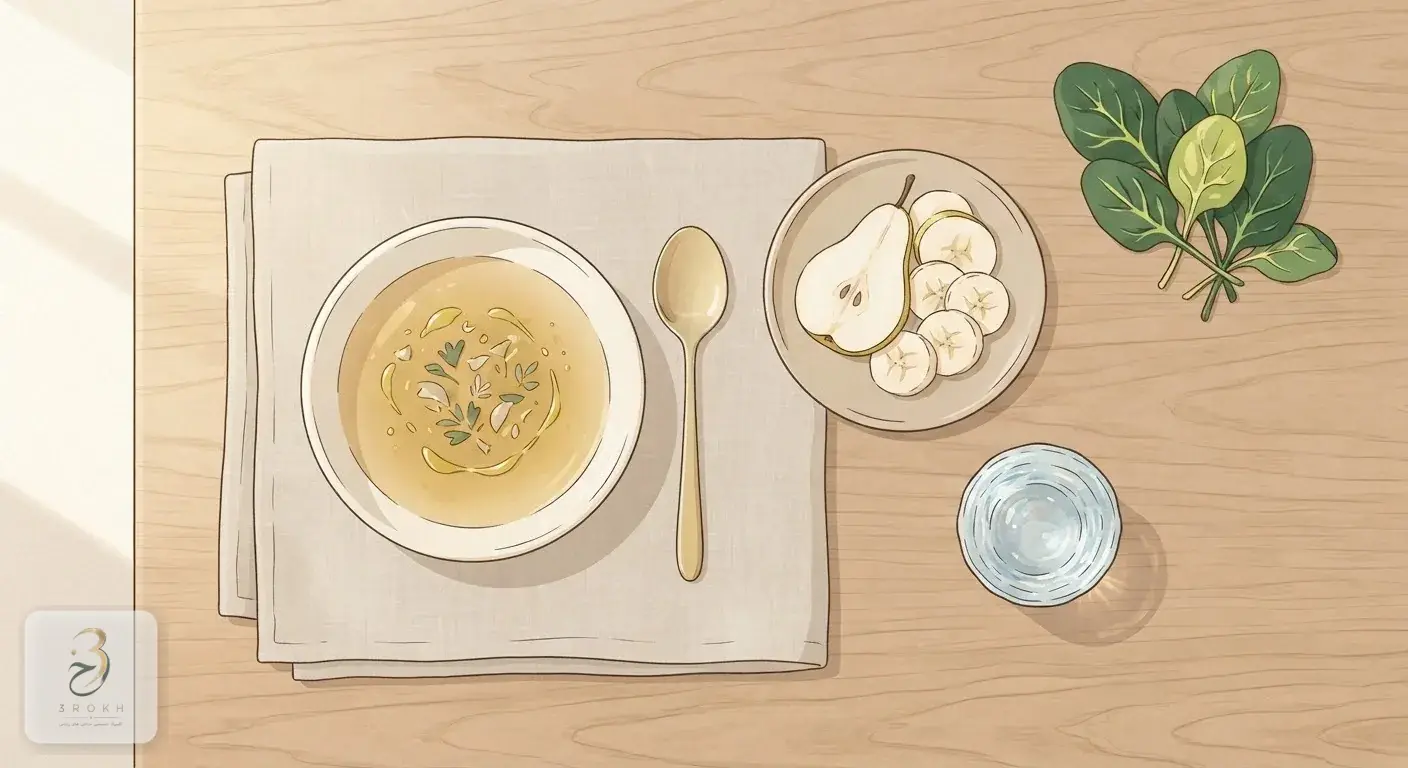
Most articles offer long lists of "healing foods" without saying why. Three things genuinely have support behind them:
- Fibre, to prevent constipation. This sounds unrelated but the logic is direct: constipation causes straining, and straining transmits pressure to the surgical site. Take fruit, vegetables and whole grains seriously from day one.
- Less salt, less swelling. Reducing dietary sodium helps swelling resolve faster. In practice that makes processed food, cured meats, crisps and pickles poor choices in the early weeks.
- Fluids and soft food. In the first days, when the lip and jaw are tender, soft food reduces chewing — and heavy chewing moves the upper lip, which pulls on the surgical site.
No food "melts" swelling. Nutrition here supports the healing process; it does not shortcut it.
The Small Daily Things
These details are missing from most recovery guides, yet they are exactly what you meet on day three:
- Laughing and facial expressions. Avoid strong expressions such as broad laughing in the early weeks; the muscles around the nose and upper lip pull directly on the operated area.
- Brushing your teeth. Brush gently so the upper lip moves as little as possible.
- Getting dressed. Wear clothes that fasten at the front. Pulling a shirt or jumper over your head risks catching the nose.
- Bathing. While dressings and the splint are on, take baths rather than showers so water does not run directly over the nose.
- Sleeping on your side. Until your surgeon clears it, sleep on your back with your head raised. Rolling onto the nose in your sleep is a common cause of lopsided morning swelling; a pillow on each side helps.
- Yawning and opening your mouth wide. A deep yawn pulls on the upper lip and the muscles around the nose. In the early weeks, try to stifle yawns with your mouth half-closed, and avoid opening wide (biting into a tall sandwich, for example).
- Makeup. No makeup on the nose while tape or the splint is on. Even after they come off, ask your surgeon before putting makeup on the nose itself — removing it means rubbing. Eye and lip makeup is usually cleared sooner.
- Sauna, swimming and sunbathing. Strong heat brings swelling back and pool water carries an infection risk. These are usually set aside for at least four to six weeks, with your surgeon's approval.
- Glasses. Frames press on the bridge and can leave an indentation. Mayo Clinic advises keeping glasses and sunglasses off the nose for at least four weeks — use contact lenses, or tape the frames to your forehead, until then.
Splint Removal
The nasal splint usually comes off around day seven, though some surgeons keep it to day ten depending on technique.
A realistic expectation for that moment: the nose looks swollen, stiff and slightly shapeless. That is normal. What you see then is not the final shape — it is not even close to it.
Stitches, Crusting and Congestion
If your surgery used the open technique, there is a small incision across the columella (the strip between the nostrils). Those stitches usually come out with the splint or shortly after, and the mark fades over months. Do not rub the area or pick at its scabs until your surgeon says you can.
Congestion and crusting in the early weeks are normal, and have two causes: swelling of the internal lining, and dried clots. This is not the same as "a bad result" or "a residual deviation" — as noted above, breathing quality cannot be judged for weeks yet. To soften crusts, follow your surgeon's instructions only (see the saline rinsing section), and never clean inside the nose with a finger or a cotton bud.
Taping: Why and How

Taping means applying specialised tape to the nose to give gentle, even pressure. It does two things: helps swelling drain and stops the skin from spreading over the new underlying structure.
When to start
Usually right after the splint comes off — roughly day seven to fourteen. Taping over a splint serves no purpose.
How to do it properly
- Step 1 — the right tape: use paper or micropore tape, 1.5 to 2.5 cm wide. Ordinary adhesive tape is too aggressive for skin in this phase.
- Step 2 — prepare the skin: wash the nose with lukewarm water and a mild cleanser, then dry it completely. Tape will not hold on oily or damp skin.
- Step 3 — cut and apply: prepare strips about 5 cm long. Start at the bridge and lay each strip upward with gentle tension, overlapping the previous strip slightly so no gaps remain, and with no creases — every crease is a point of pressure, which is exactly what you were trying to avoid.
- Step 4 — duration: typically 2 to 4 weeks, worn continuously, removed only for showering and massage. Some surgeons recommend continuing overnight into month three.
Common mistakes
- Pulling the tape too tight. Extra tension does not help; it can hurt and mark the skin.
- Tape with no tension. Tape applied loosely has no effect on swelling and is purely decorative.
- Stopping too early. Most of taping's benefit is in those first four weeks; abandoning it in week two throws much of that away.
- Continuing on irritated skin. If you see redness, itching or small bumps, remove the tape and contact your surgeon.
Nasal Massage
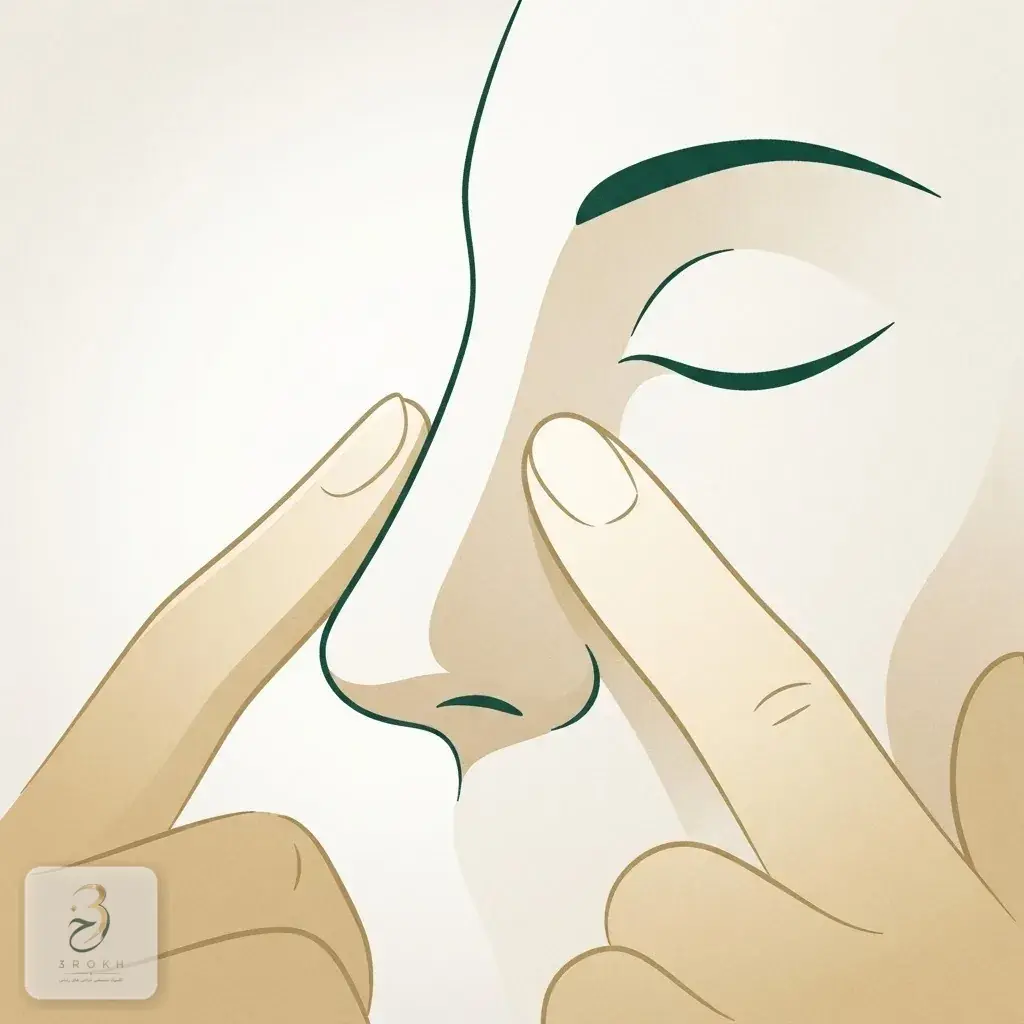
Massage helps interstitial fluid drain and softens scar tissue. Contrary to a common belief, massage does not change the shape of your nose — what the surgeon built does not move under a fingertip. Its role is to help the swelling along, not to sculpt.
When to start
Usually from week two, and only on your surgeon's instruction. Starting massage in week one, before the structure has settled, carries real risk.
Technique
- Prepare: wash your hands and sit in front of a mirror so you can see exactly where your fingers are.
- Bridge: place both index fingers either side of the bridge and stroke downward with gentle pressure, 10 to 15 times.
- Tip: gently compress the tip between thumb and index finger, 5 to 10 times. If your surgeon emphasised the tip, it is usually because of thicker skin.
- Sides: press the sides of the nose gently toward the midline with your index fingers.
- Frequency: 5 to 10 minutes per session, 2 to 3 times daily, until roughly month two or three.
Pressure should be gentle and painless. If massage hurts, either the pressure is too high or it is still too early. Stop and call your surgeon if you notice sudden swelling, sharp pain or redness.
Saline Rinsing
Some surgeons recommend gentle saline rinsing or spray once dressings are out, to soften crusts and clots and make breathing easier. The important point is that when to start, which solution, and how forcefully are entirely your surgeon's call. Starting on your own — particularly with any pressure — can do harm in the early days. If you were not given instructions, do not begin; ask at your next review.
The Swelling Timeline
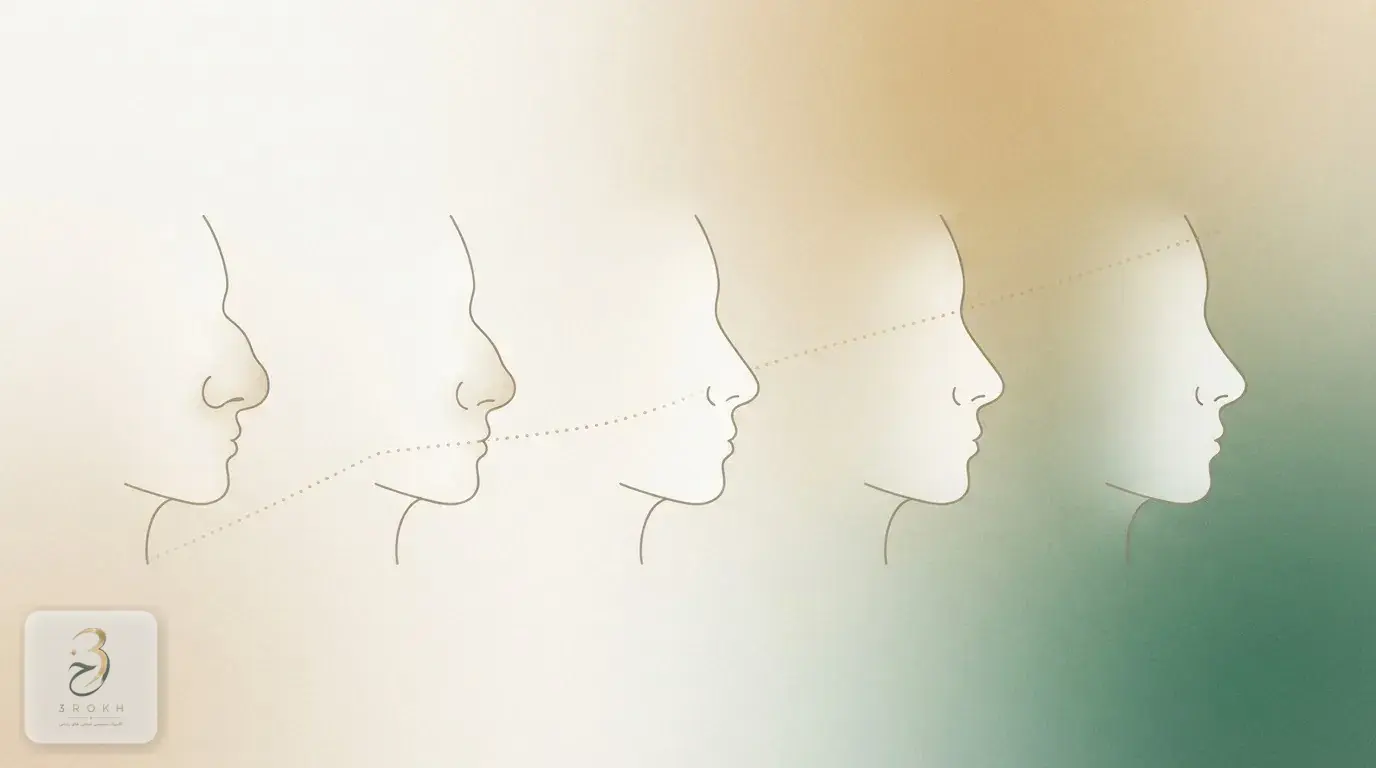
This is the most misunderstood part. Rhinoplasty swelling resolves in steps, not in a straight line:
| Timeframe | What to expect |
|---|---|
| Weeks 1–2 | Fastest reduction; face returns close to normal |
| Month 1 | Looks "normal" to a stranger, though you still see the difference |
| Months 2–3 | Roughly 70% of the swelling has gone |
| Month 6 | The tip softens and starts to show definition |
| Months 9–12 | Final shape (up to 18 months with thick skin or after revision rhinoplasty) |
Something that is rarely mentioned: swelling can fluctuate during the first year, and is typically worse in the morning. A puffier nose on a given morning is not a setback.
The tip is always the last area to decongest. If you are at month four and the tip still feels firm and a little large, that is within expectation.
Numbness and Reduced Sensation at the Tip: Why, and For How Long?
Reduced skin sensation is one of the most common effects after rhinoplasty, and it tends to worry patients because it happens silently. A clinical trial that measured touch sensation at fixed points on the nose before and after surgery found that in primary rhinoplasty patients, sensation at every point returned to normal by the end of month twelve, except at the tip and infratip. In revision rhinoplasty patients, the reduction was more widespread and persisted at the tip, infratip and columellar base through month twelve.
This matches what the swelling timeline section already said: the tip, whether in swelling or in sensation, is always the last area to return to normal.
What Compromises the Result
Beyond the glasses and smoking already covered above, two more things matter:
- Sun. Freshly operated skin pigments easily, and excessive sun can cause permanent discolouration of the nasal skin. Use SPF 30 or higher and a wide-brimmed hat for at least three months.
- Early exercise. Heavy activity raises blood pressure and brings swelling back. Light exercise usually from week three, heavy from week six, with your surgeon's approval.
- Judging too early. Deciding whether you are happy before month twelve is not a reasonable judgement.
Travelling for Surgery

Many patients travel to Tehran for their procedure. A typical plan:
- Minimum stay: about 8 to 10 days. One day before surgery for examination and tests, the day of surgery, then staying until splint removal on day seven.
- A companion: essential for the first 48 hours. After anaesthesia, memory, reaction time and judgement are impaired for a few days, and driving is not possible in that window.
- The journey home: road travel is usually fine from day seven. For flying, ask your surgeon.
- Remote follow-up: later reviews are normally handled by photographs at set intervals, so you do not need to travel back each time.
If this schedule does not fit your circumstances, raise it before booking so the timing can be arranged around you.
When to Call Your Surgeon Immediately
These are not part of normal recovery. Do not wait for your next appointment:
- Bright, continuous bleeding that gentle pressure and head elevation do not stop
- Fever above 38°C
- Severe pain not controlled by your prescribed analgesia
- Sudden, one-sided swelling or redness
- Any change in vision
- Foul-smelling nasal discharge
Where to Go Next
If you are still deciding, or have questions about the technique itself, the rhinoplasty procedure page walks through the full path from consultation to recovery. If your main problem is breathing and comes from a deviated septum, septoplasty is a different operation that should be assessed separately. If you have had surgery before and are unhappy with the outcome, revision rhinoplasty explains what a second operation can and cannot address.
If you are still choosing a surgeon, our guide to choosing a cosmetic surgeon safely lists the criteria worth checking.
Sources
- Mayo Clinic — Rhinoplasty
- StatPearls (NIH) — Wound Healing Phases
- Aesthetic Surgery Journal — Nasal Skin Sensation After Rhinoplasty
- American Society of Plastic Surgeons — Rhinoplasty Recovery
- Cleveland Clinic — Rhinoplasty (Nose Job)
- American Society of Plastic Surgeons — Rhinoplasty
- American Academy of Facial Plastic and Reconstructive Surgery (AAFPRS)
Frequently asked questions
When can I go back to work after rhinoplasty?
Most patients return to light desk work between day four and day seven. Exercise and heavy activity are usually cleared from week three onward, with your surgeon's approval.
How long do I need to tape my nose?
Typically 2 to 4 weeks, worn continuously and removed only for showering and massage. Some surgeons recommend continuing overnight into month three.
What should I eat and avoid after rhinoplasty?
Fibre (fruit, vegetables and whole grains) prevents the constipation and straining that press on the surgical site, and reducing salt helps swelling settle faster. In the first days, soft food and plenty of fluids are better, because heavy chewing moves the upper lip.
Can I take ibuprofen or aspirin for the pain?
Not unless your surgeon approves it. Authoritative sources advise avoiding medicines containing aspirin or ibuprofen from two weeks before to two weeks after surgery, because they increase bleeding. Take only the analgesia you were prescribed.
Why is my nasal tip still firm and large?
The tip is always the last area to decongest. Firmness at month six and beyond is within expectation, particularly with thicker skin. Swelling also fluctuates during the first year and is typically worse in the morning.
I am travelling for surgery. How long should I stay in Tehran?
Usually 8 to 10 days: one day before surgery for examination and tests, the day of surgery, then staying until splint removal on day seven. Later reviews are normally handled by photographs.
Why is my nasal tip numb? Is that dangerous?
Reduced sensation at the tip is normal. A clinical trial found that in primary rhinoplasty, sensation everywhere on the nose returns to normal by month twelve except at the tip and infratip, which can stay slightly numb. In revision rhinoplasty this reduced sensation is more widespread and longer-lasting.
Related services
Comments
No comments yet. Be the first to write one.
Related articles
Removing Splint and Taping: What to Expect
The external splint usually comes off 7–10 days after surgery and internal splints at 10–14 days. Removal takes minutes, and taping continues for 3–6 weeks afterwards to control swelling.
Read moreNasal Discharge After Rhinoplasty: Normal or a Warning Sign?
Pale-pink discharge in the first few days is normal. This article separates the four types of discharge, gives a real recovery timeline, and explains which pattern warrants an urgent call to your surgeon.
Read moreOverprojected Nose After Rhinoplasty: Is It Swelling or the Final Result?
The nasal tip holds swelling longer than any other part of the face, so mid-recovery it often looks more projected than it will end up. This article covers the real timeline, why the delay happens, and the rare polly-beak pattern worth flagging to your surgeon.
Read moreAppetite-Stimulant Pills After Rhinoplasty: Are They Safe?
Temporary appetite loss after rhinoplasty is normal and usually resolves on its own. This article explains what appetite-stimulant pills typically contain, why they don't fit the recovery period well, and when weight loss genuinely needs evaluation.
Read moreEye Swelling and Bruising After Rhinoplasty: Why, and For How Long?
Swelling and bruising around the eyes happens because of that tissue's structure, not the surgical site. This article explains the real cause, the bruise colour timeline, and which pattern is abnormal, sourced from medical literature.
Read moreTouching Your Nose After Rhinoplasty: When Is It Actually Safe?
Why touching or inserting a finger into the nose after surgery is risky, when the external and internal splints actually come off, and how much taping really helps.
Read more