

رینوپلاستی
Rhinoplasty Cost in Tehran: Dr. Hashemi's and Dr. Yousefian's Starting Prices
Quick answer
Rhinoplasty at Se Rokh starts between 58 and 68 million toman depending on the surgeon, and that figure covers all surgical and surgical-centre costs. A separate 2 million toman charge covers consumables, and pre-operative tests and post-operative medication are billed separately. The final figure follows an assessment of the nose.
- Dr. Hashemi
- From 68 million toman
- Dr. Yousefian
- From 58 million toman
- Consumables
- 2 million toman, separate
- Service page
- /services/rhinoplasty
Figures reflect 1405 (2026); the exact price follows an assessment.
Key points
- Rhinoplasty at the Se Rokh clinic starts between 58 and 68 million toman depending on the surgeon.
- That figure covers all surgical and surgical-centre costs, including the surgeon's fee, the operating room and anaesthesia.
- A separate charge of 2 million toman covers consumables and is not included in the surgical figure.
- The final price for any patient is confirmed only after the nose has been assessed.
What does rhinoplasty actually cost in Tehran?
At Se Rokh, rhinoplasty starts between roughly 58 and 68 million toman depending on the surgeon, and the final figure for any given patient is confirmed only after the nose has been assessed. But in practice the question patients most need answered is not "how much" — it is "what does that number include, and what will be billed to me separately?"
Most financial friction after surgery does not come from the price itself. It comes from the blurred line between "the cost of surgery" and "everything else." Someone who assumed the quoted figure covered everything, and then receives a separate invoice, feels misled — even when the original quote was entirely fair.
This article draws that line clearly: the starting figure for each of the two Se Rokh surgeons, what is included in it, what is charged separately, and why no responsible surgeon quotes a final price without examining your nose.
This article is educational and does not replace an in-person consultation. Figures reflect 1405 (2026) and are updated as conditions change.
Starting prices for the two Se Rokh surgeons

| Surgeon | Specialty | Medical Council no. | Starting from |
|---|---|---|---|
| Dr. Seyed Abolghasem Hashemi | ENT — sinus & rhinology fellowship | 28491 | From 68 million toman |
| Dr. Yousefian | General surgery — facial aesthetics | 111050 | From 58 million toman |
Four qualifications, without which the table misleads:
- These are starting figures, not final quotes. The exact number follows an assessment of your nose and the real complexity of the operation.
- A separate 2 million toman charge covers consumables, billed independently by the clinic. It is not inside the figures above.
- The figures above refer to primary rhinoplasty. Revision cases are quoted separately.
- Figures reflect 1405 (2026) and are not fixed.
What does rhinoplasty cost with Dr. Abolghasem Hashemi?
With Dr. Abolghasem Hashemi, an ENT surgeon with a sinus and rhinology fellowship, primary rhinoplasty starts from about 68 million toman and revision rhinoplasty from about 130 million toman. Revision costs more because scar tissue, removed cartilage and altered structure usually make the operation longer and harder.
The same rule as above applies: these are starting figures, the 2 million toman for consumables is separate, and pre-operative tests and post-operative medication are billed on their own. A final figure can only be given after the nose has been examined and the photos reviewed.
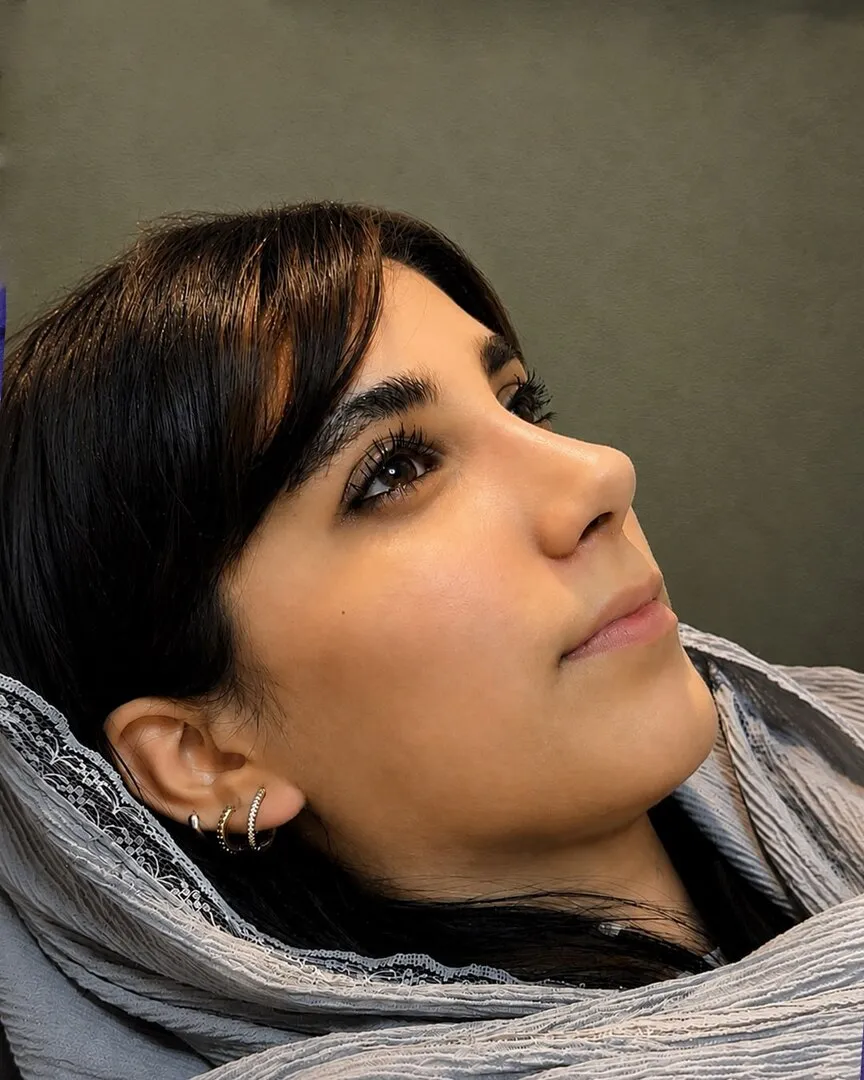
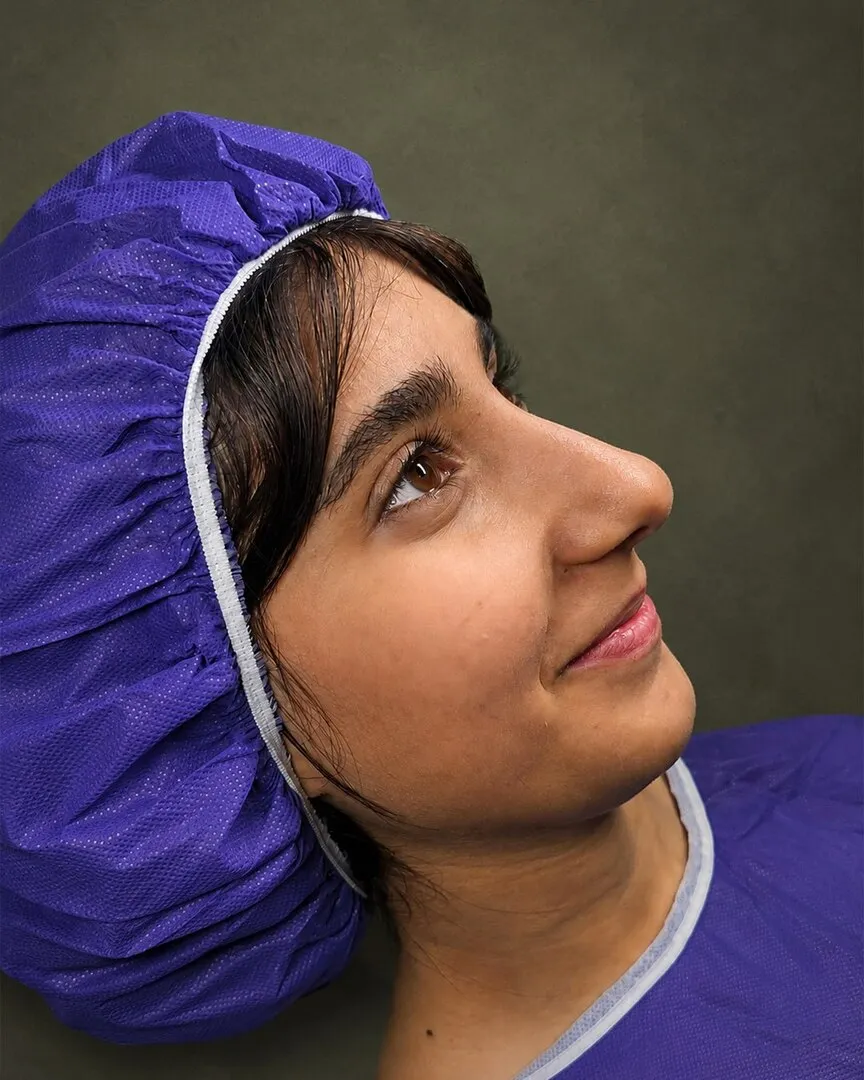
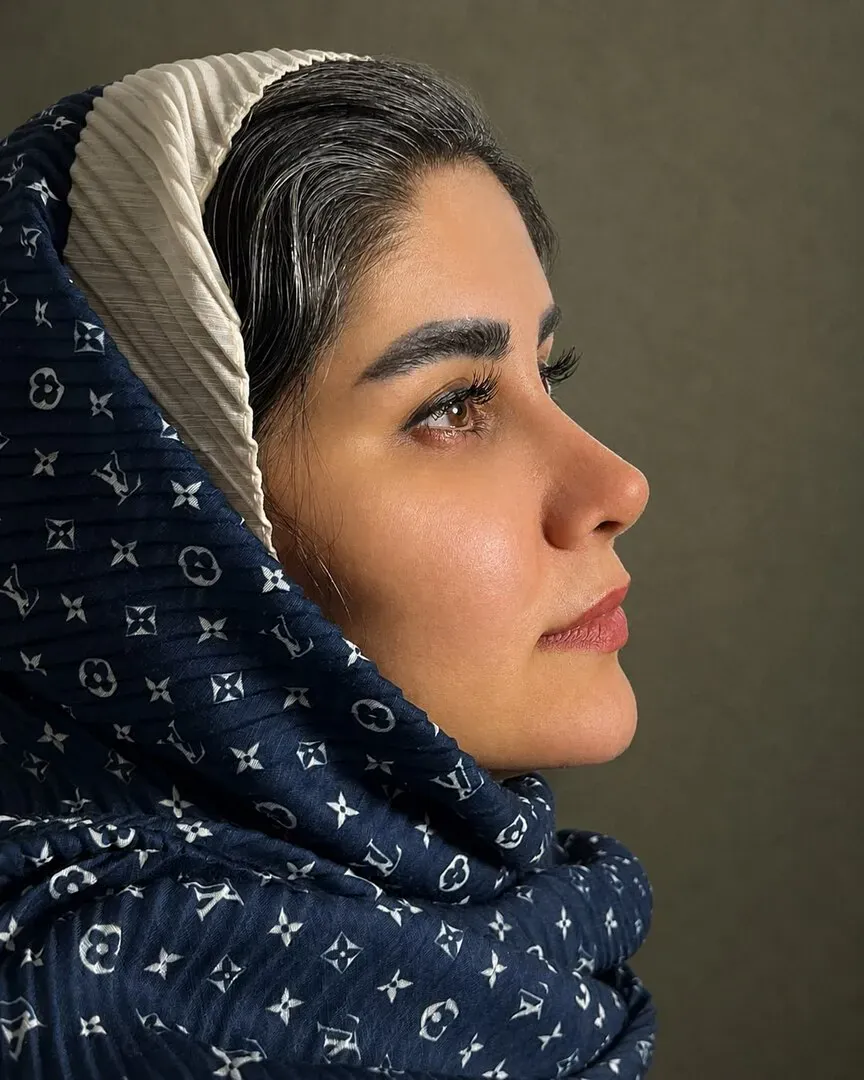
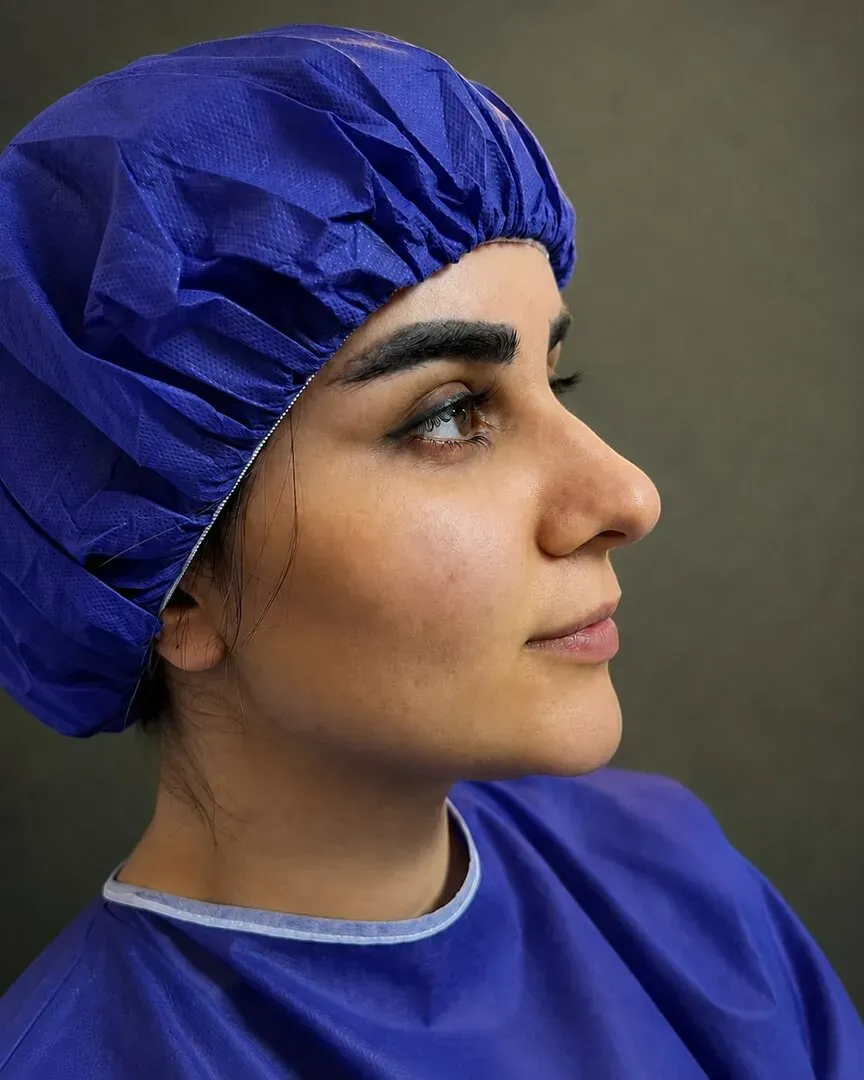
If you want to see the work before asking for a price, Dr. Hashemi's before-and-after cases are in the clinic gallery, and his profile page gathers his credentials, patient reviews, office address and how to book. To arrange a consultation use the booking form.
What is inside the number — and what is not

This is the most important table on the page. When we say "from 68 million toman," that figure covers all surgical and surgical-centre costs — no more, no less:
| Cost item | Included? | Note |
|---|---|---|
| Surgeon's fee | Yes | The surgeon's fee for performing the operation |
| Operating room & surgical centre | Yes | Theatre, nursing team, equipment |
| Anaesthesia and anaesthesia team | Yes | Anaesthesiologist and intra-operative medication |
| Post-operative follow-up visits | Yes | Routine recovery checks |
| Consumables | No | 2 million toman, billed separately by the clinic |
| Pre-operative tests | No | Performed and paid at the laboratory |
| Post-operative medication | No | Prescription filled at a pharmacy |
| Initial consultation | No | Clinic visit, before deciding on surgery |
A realistic estimate of the total cost
So a realistic total is: the surgeon's starting figure + 2 million for consumables + tests and medication. Those last three rows are usually small next to the surgical fee — but they feel large when nobody warned you about them.
The full list of required tests, and how long each stays valid, is in our guide to pre-rhinoplasty tests.
Why the two surgeons quote different figures

A 58-to-68 million spread between two surgeons in the same clinic is not arbitrary, and it is not about theatre quality — both operate in the same centre to the same standard. The difference is what each surgeon brings to it:
- Training pathway: Dr. Hashemi is an ENT specialist with a fellowship in sinus surgery and rhinology, meaning formal additional training in the internal structure of the nose and the airway. Dr. Yousefian came to rhinoplasty through general surgery and facial aesthetics.
- Experience and case volume: years in practice and number of operations performed influence the fee — a pattern common to every surgical field.
- Case mix: a surgeon who accepts more complex and revision cases will naturally sit at a higher average.
Does a higher fee mean a better outcome?
One point deserves saying plainly: a higher fee alone does not guarantee a better outcome, and a lower one does not mean lesser quality. Both hold valid Medical Council registration and a documented record at this clinic. The right basis for choosing is the fit between a surgeon's expertise and your specific need — not their position on a price axis. If you are undecided, our guide to choosing a cosmetic surgeon offers more practical criteria.
Why the final figure waits for an assessment
"A nose job" is not one operation. Two people who look similar can need substantially different surgery.
What moves the price above the starting figure
What moves a price above the starting figure:
- Thick-skinned versus bony noses: a thick-skinned nose carries more soft tissue; controlling swelling and achieving definition usually takes more work, and the result settles later.
- A deviated septum: correcting the septum alongside the aesthetic change makes the operation longer and more technical. That part is functional, and it is explained on our septoplasty page.
- Previous nasal surgery: scar tissue and an altered cartilage framework make a second operation considerably harder than a first.
- Breathing problems: when function must be corrected as well as appearance, the scope grows.
- How much change you want: a restrained, natural refinement is not the same operation as a full redesign of the tip and bridge.
This is why a surgeon who quotes a firm price sight-unseen is either shifting the risk onto you or will revise the number later. What rhinoplasty can and cannot achieve is set out on our rhinoplasty page.
Which photos to send for an accurate quote

To assess your nose and give a closer figure, four photographs are needed:
- Front view — facing the camera
- Right profile
- Left profile
- Base view — angled so the nostrils are visible
The conditions matter, and they directly determine how useful the answer can be:
- Photos should be sharp, without motion blur.
- No filters, no retouching — a filter alters precisely what needs assessing.
- The whole face in frame, not just the nose; how the nose relates to the rest of the face is part of the judgement.
- Even lighting, ideally daylight, without hard shadow on one side.
Once the photos arrive, your nose is assessed and you are guided from there. You can start from our contact page or book a consultation.
Revision cases: why no quote is given remotely
If you have already had nasal surgery, pricing requires an in-person examination, and the figure follows that examination based on how much reconstruction is needed. The reason is that what matters in revision surgery sits under the skin: how much cartilage remains, the state of the scar tissue, the stability of the framework — none of which a photograph shows. More detail is on our revision rhinoplasty page and in when to consider revision surgery.
Why the cheapest quote is not always the cheapest outcome

When comparing two numbers, make sure you are comparing two like things. Ask these directly before deciding:
- What exactly does this figure include? Are theatre and anaesthesia inside it, or separate?
- What is billed separately, and how much? Consumables, tests, medication.
- Are follow-up visits included? How many, and for how long?
- Where is the operation performed? A licensed surgical centre, or an office?
- If the result needs a minor revision, what are the financial terms?
- How long does the quote stay valid?
Two widely different quotes usually describe two different scopes of service, not two prices for the same thing. The real cost of surgery that does not give the result you wanted is not the original figure — it is the revision, which is almost always harder and more expensive than the first operation.
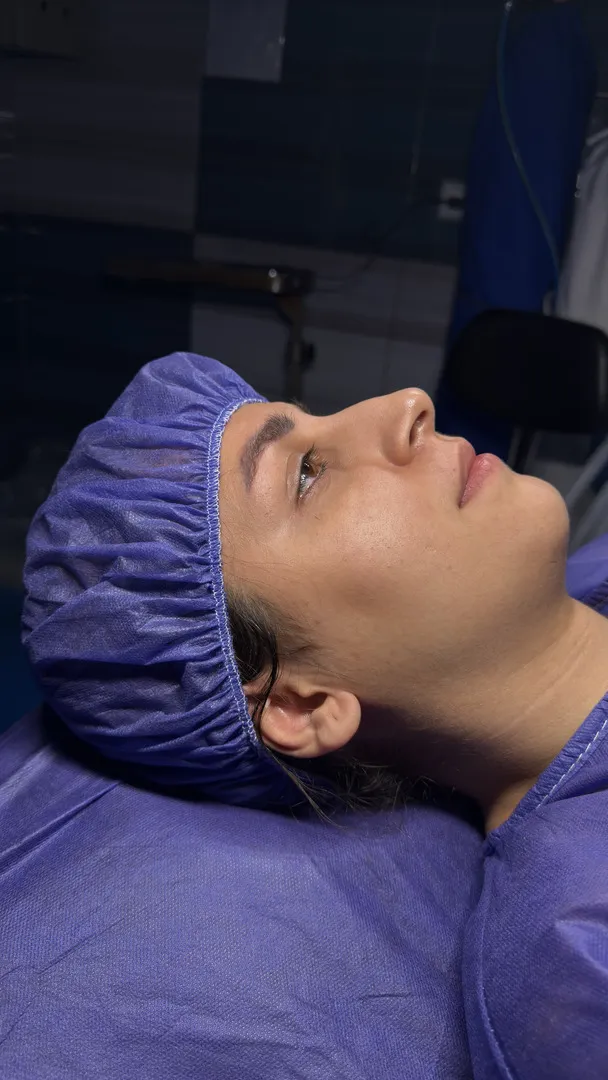
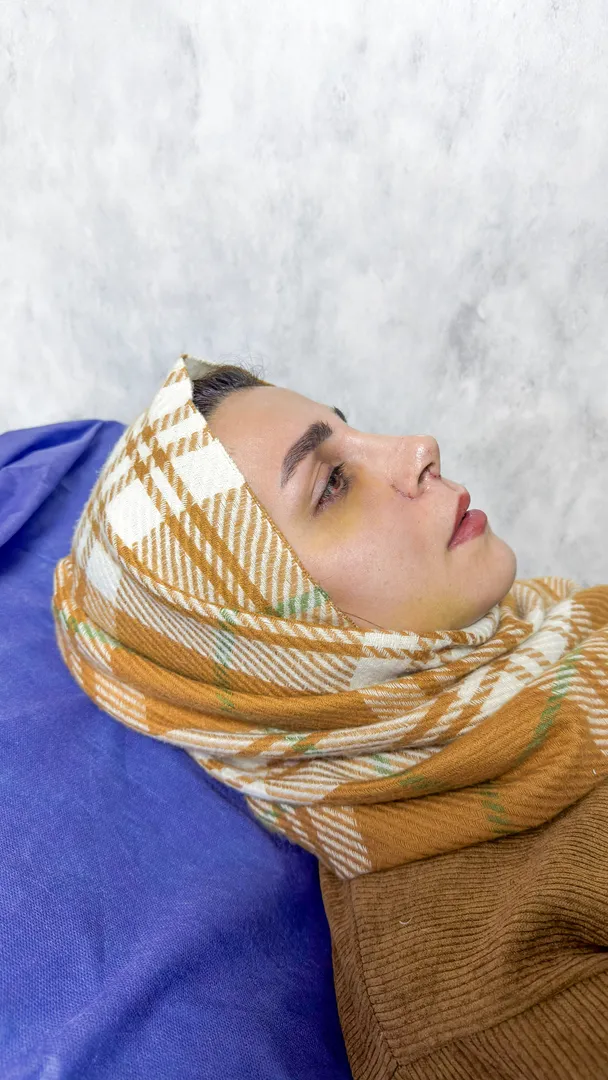
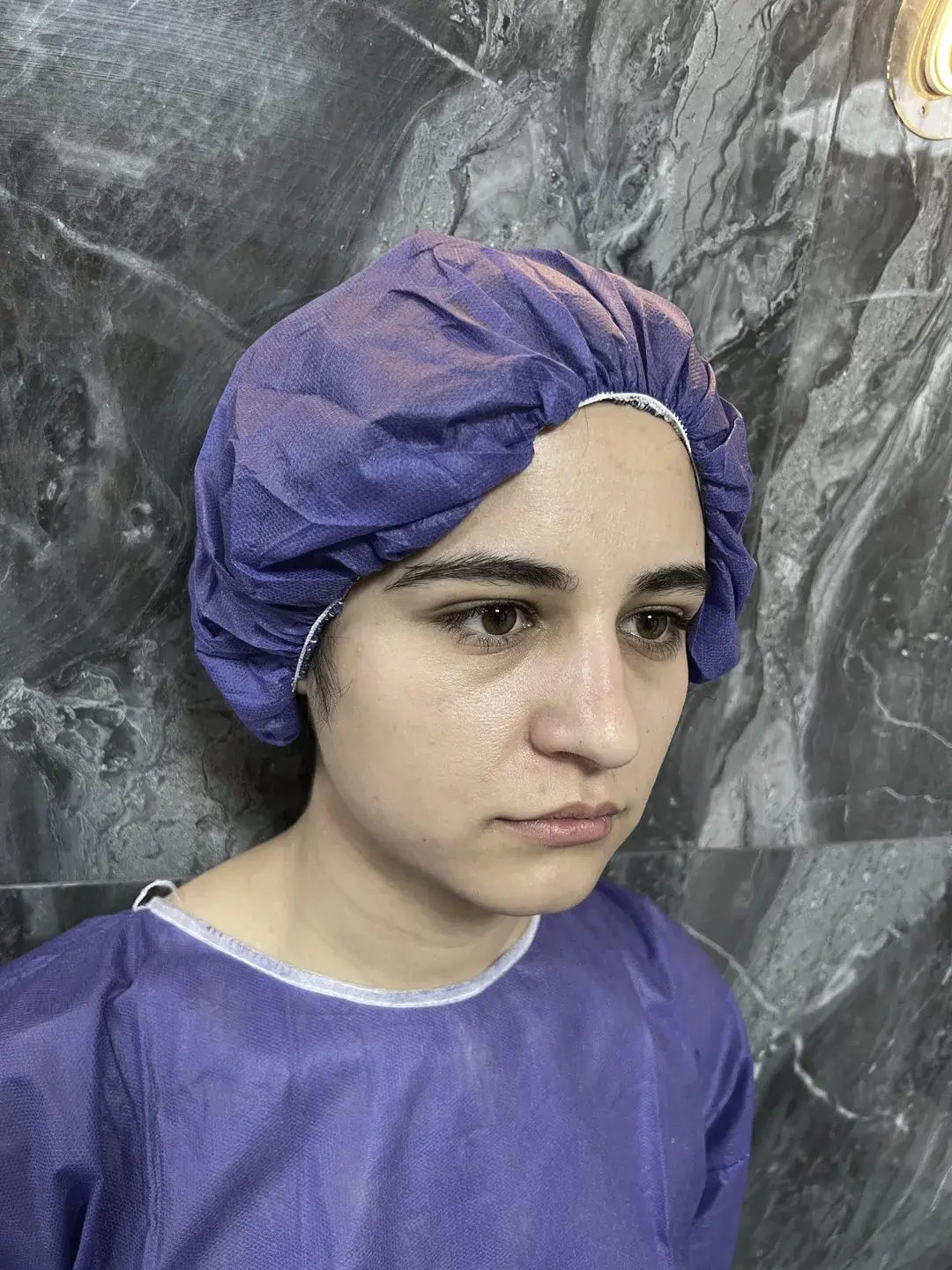
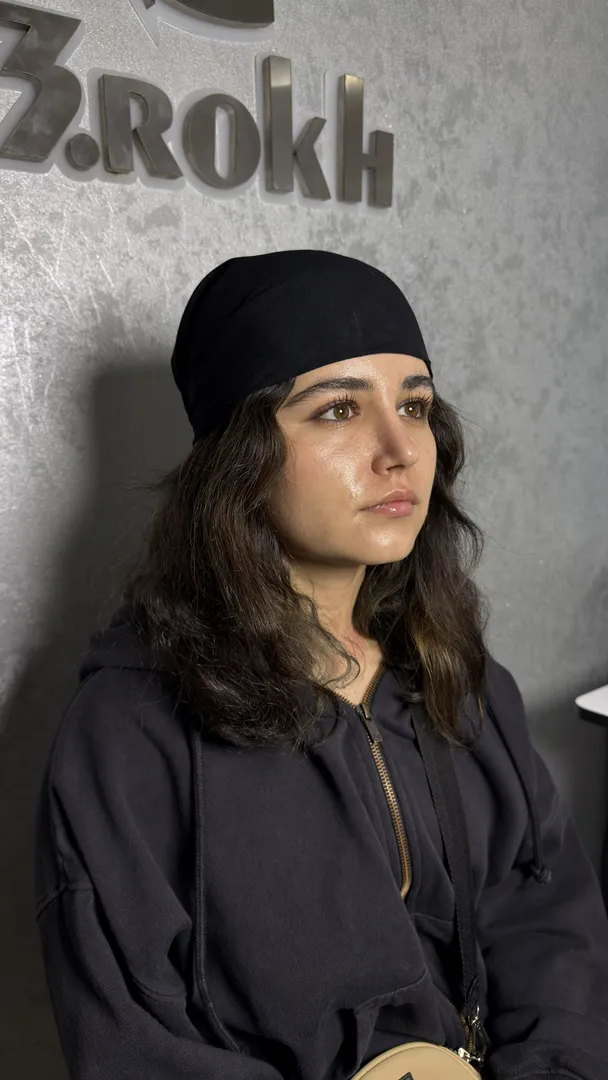
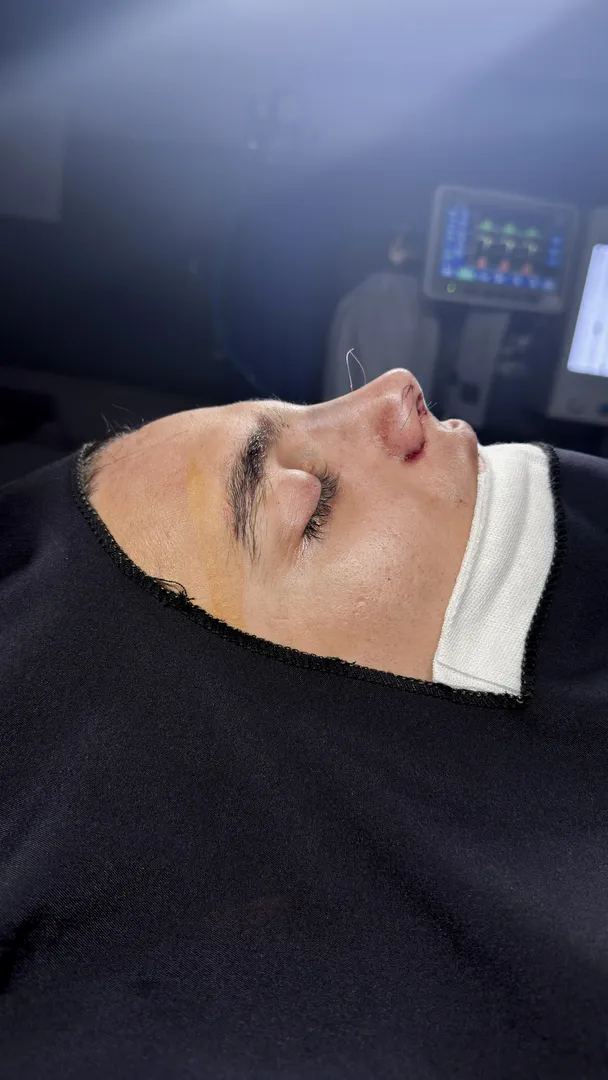
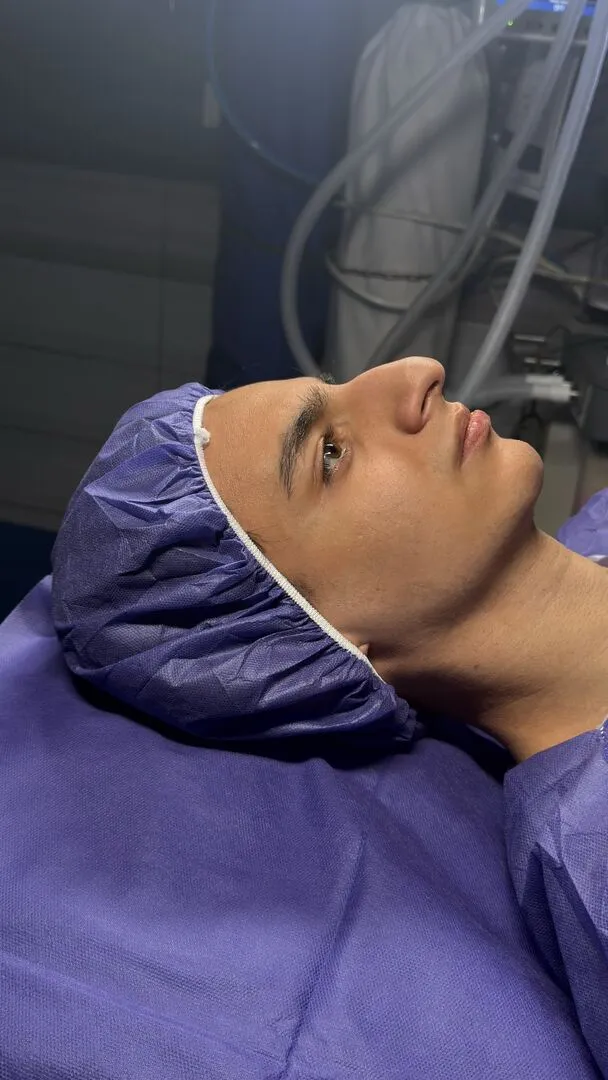
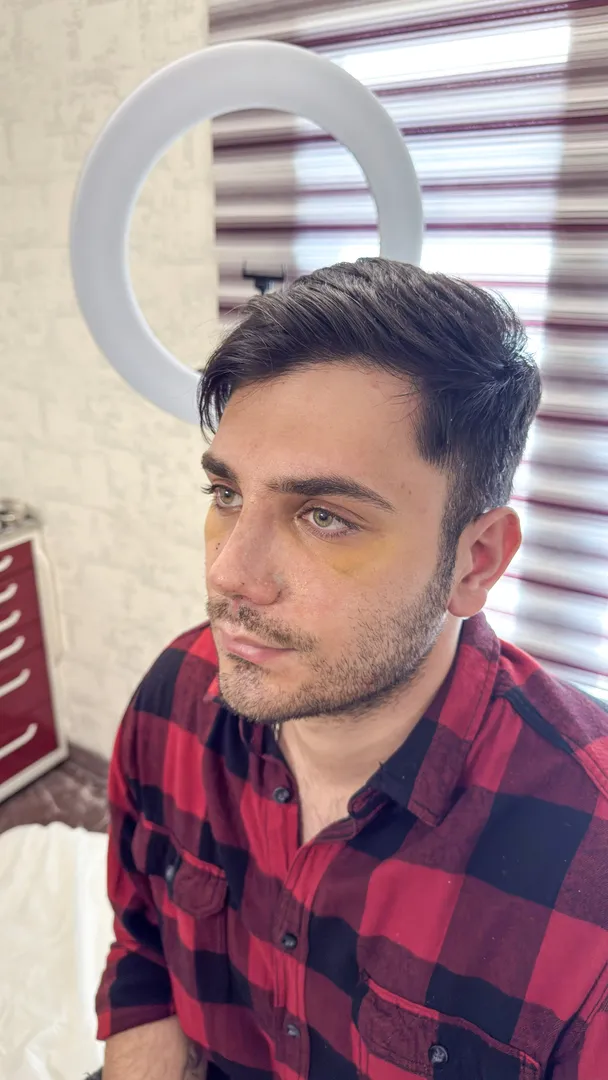
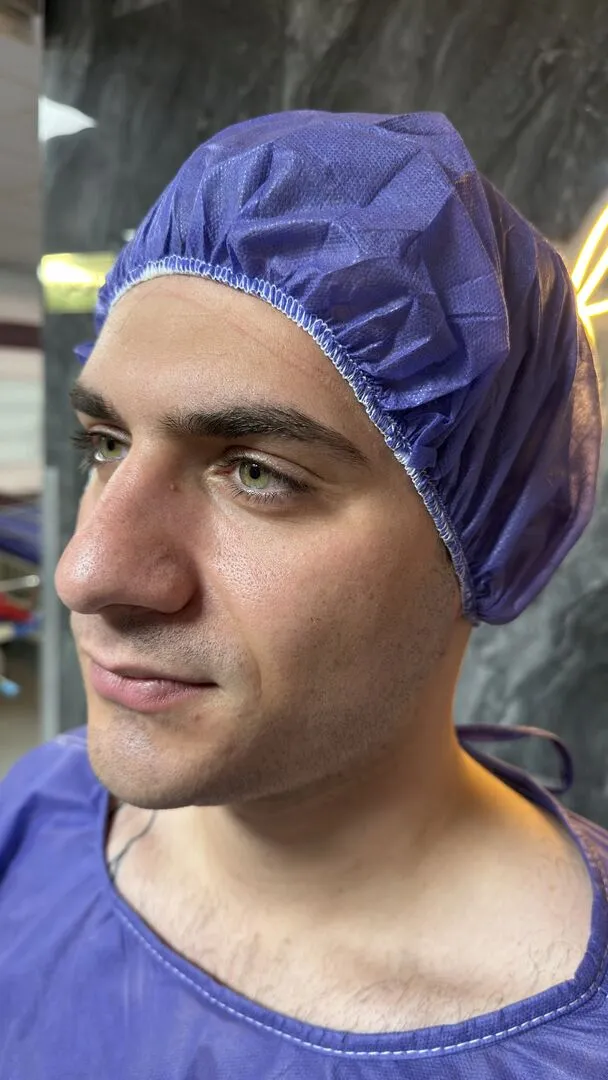
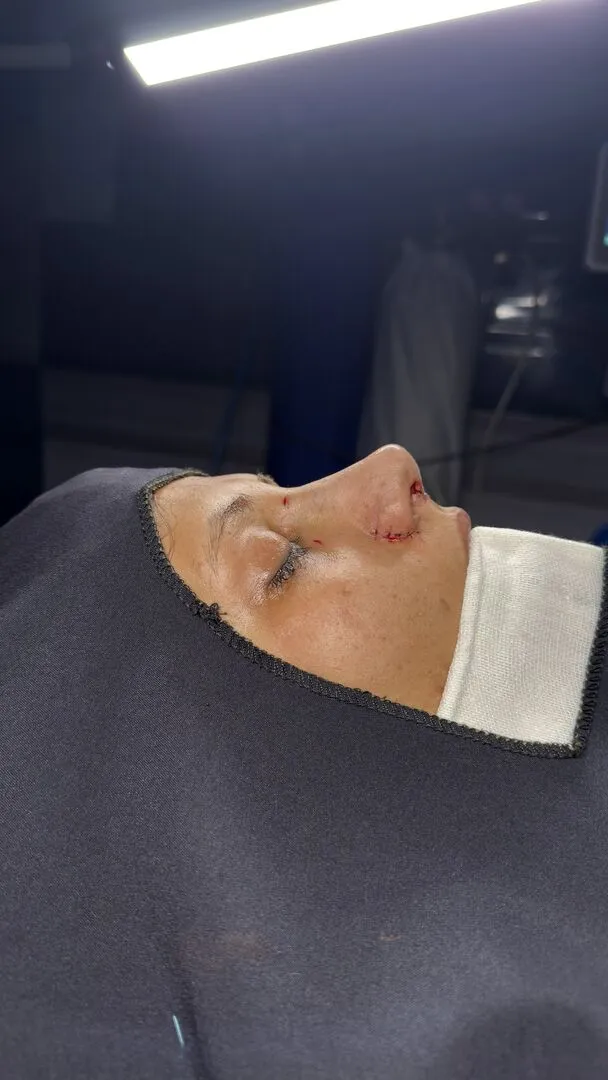
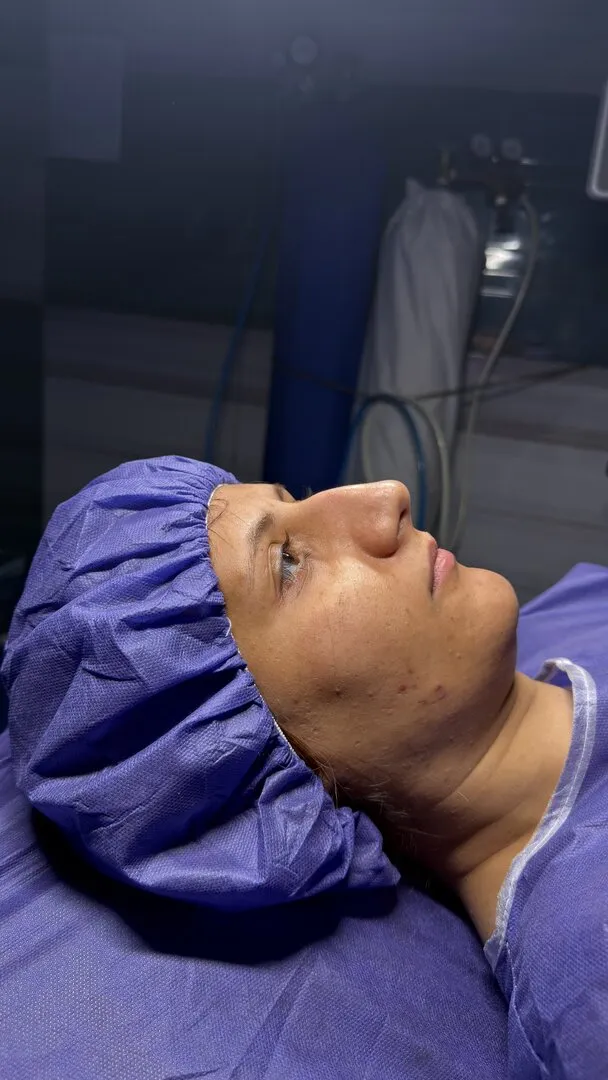
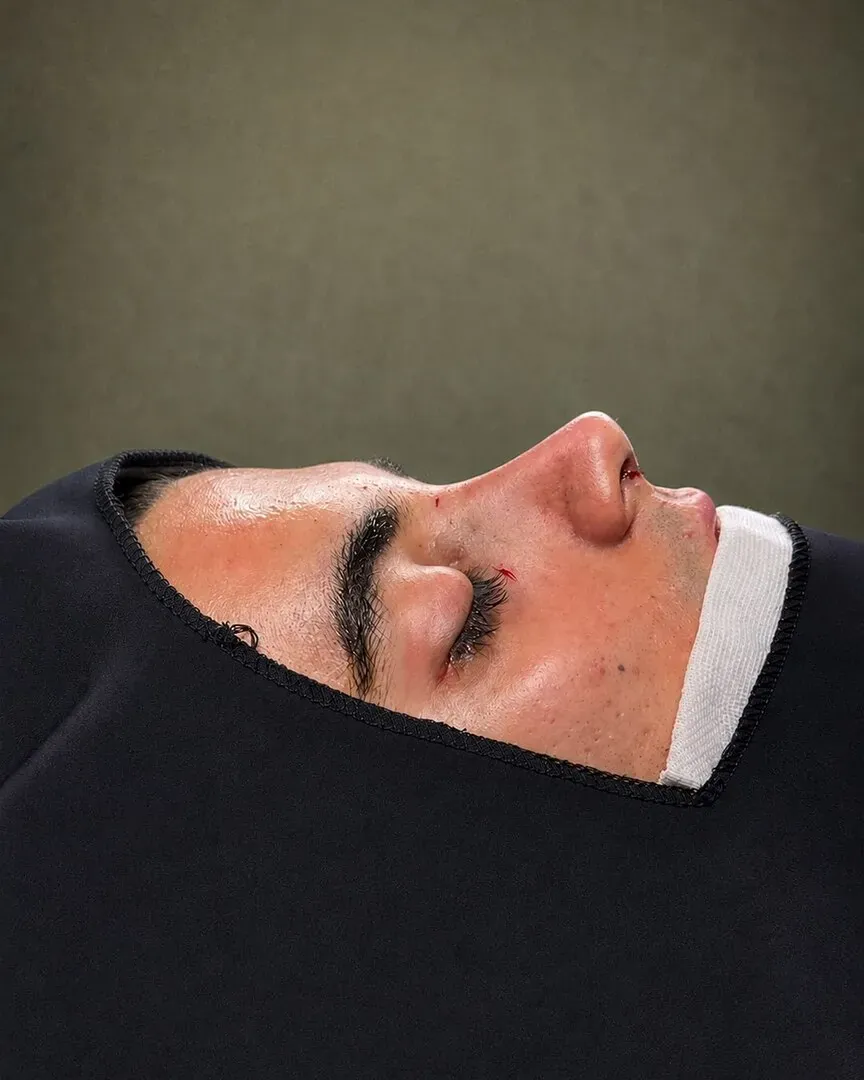
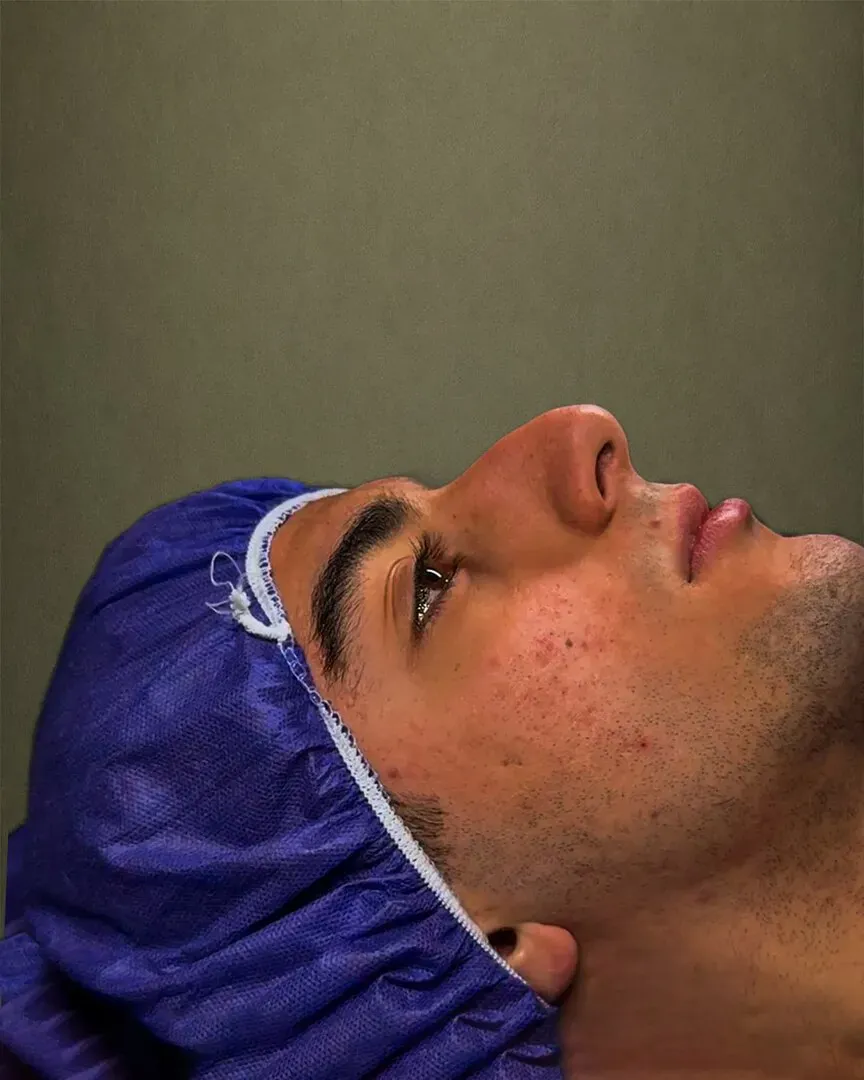
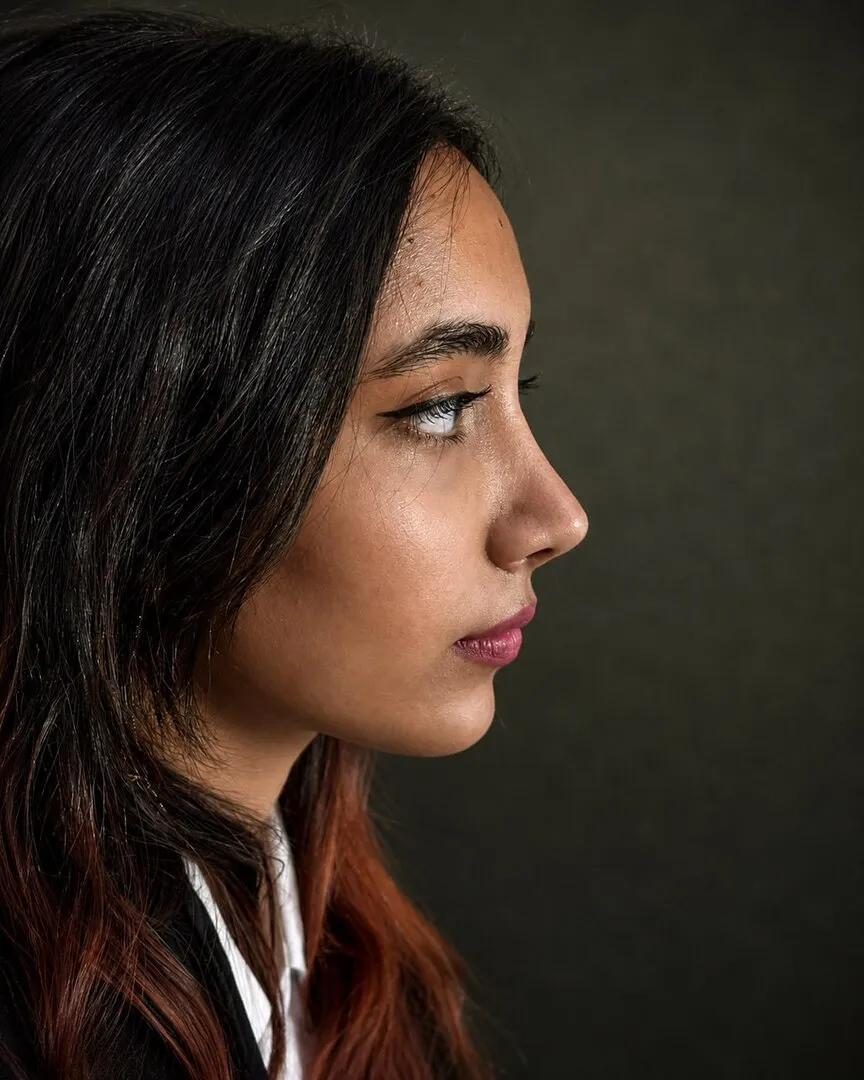
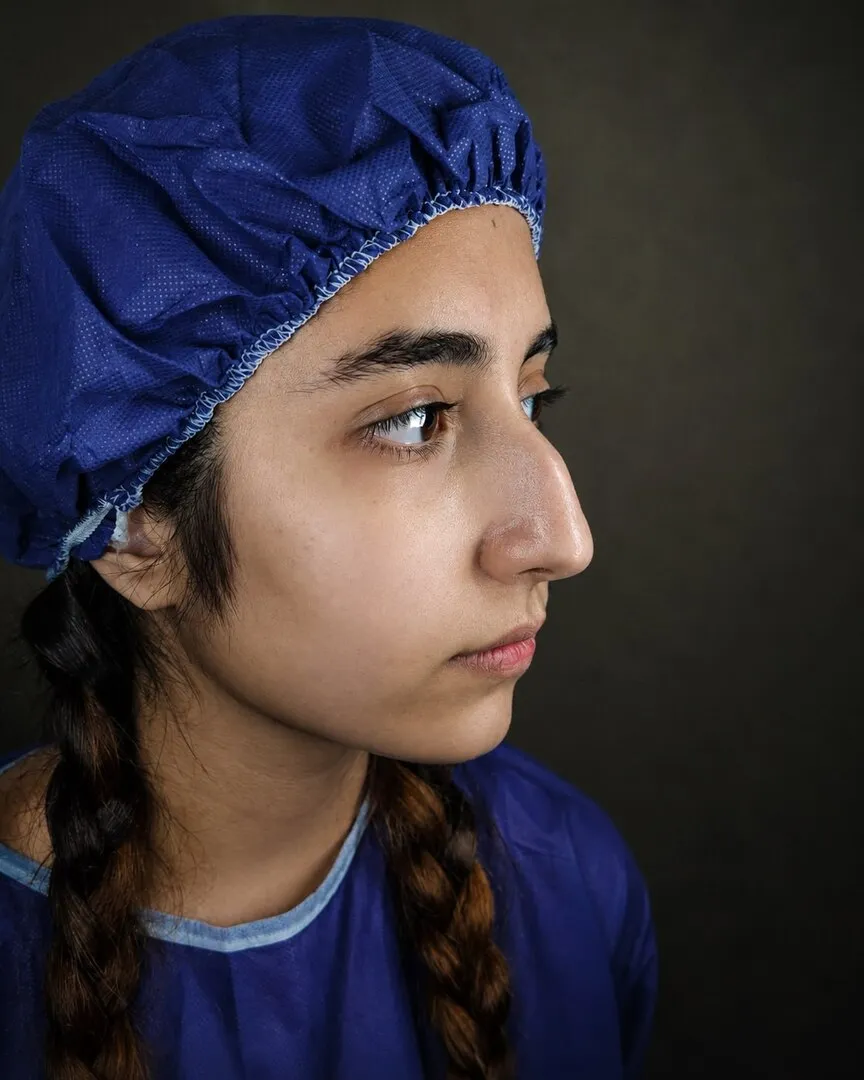
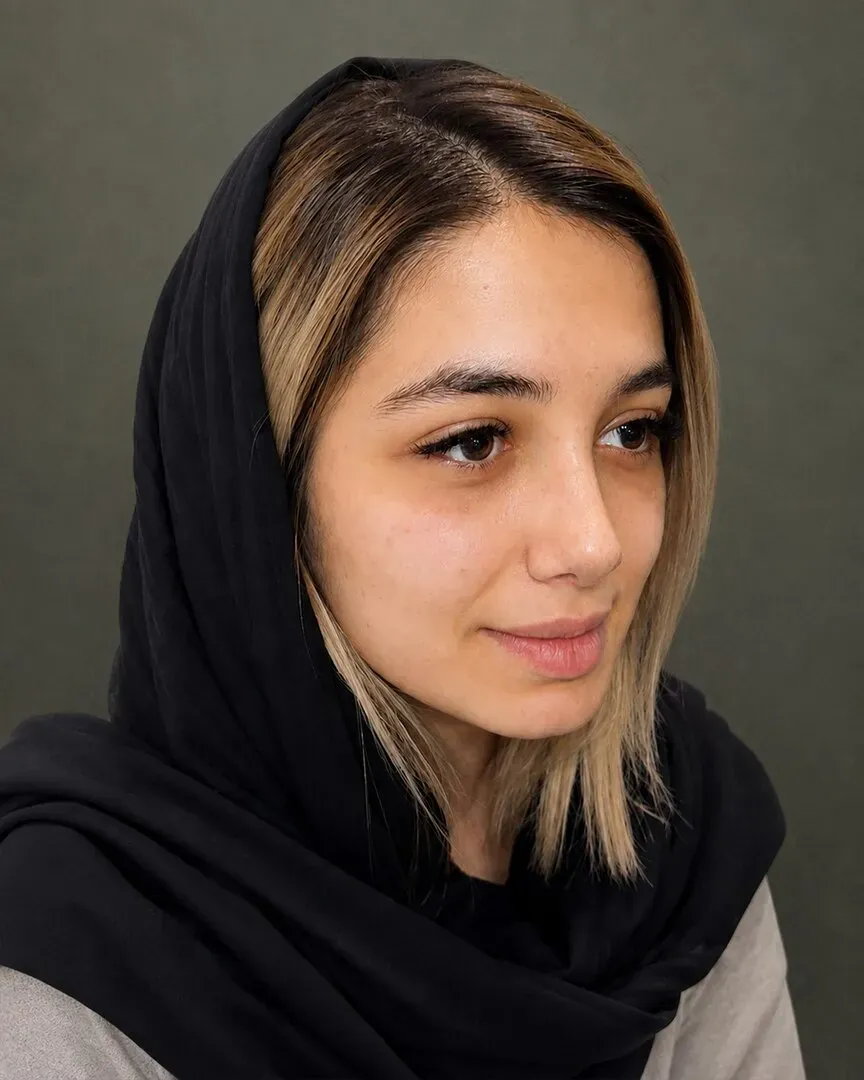
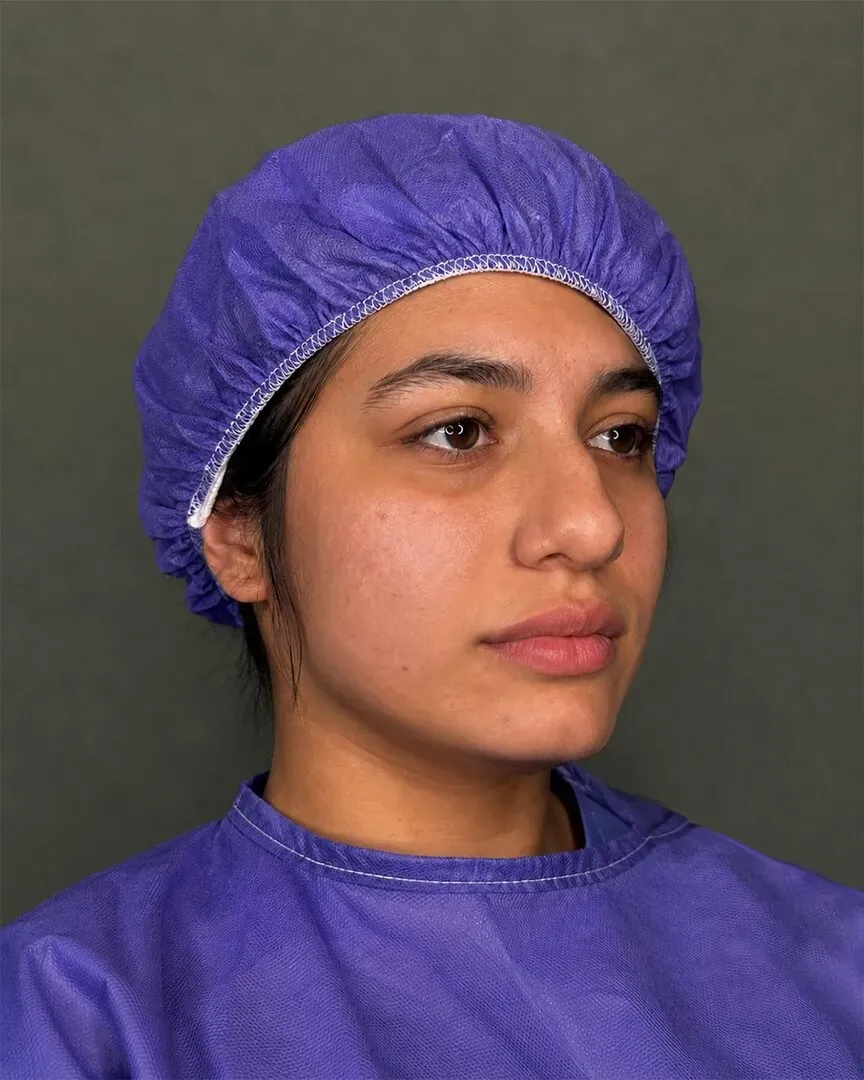
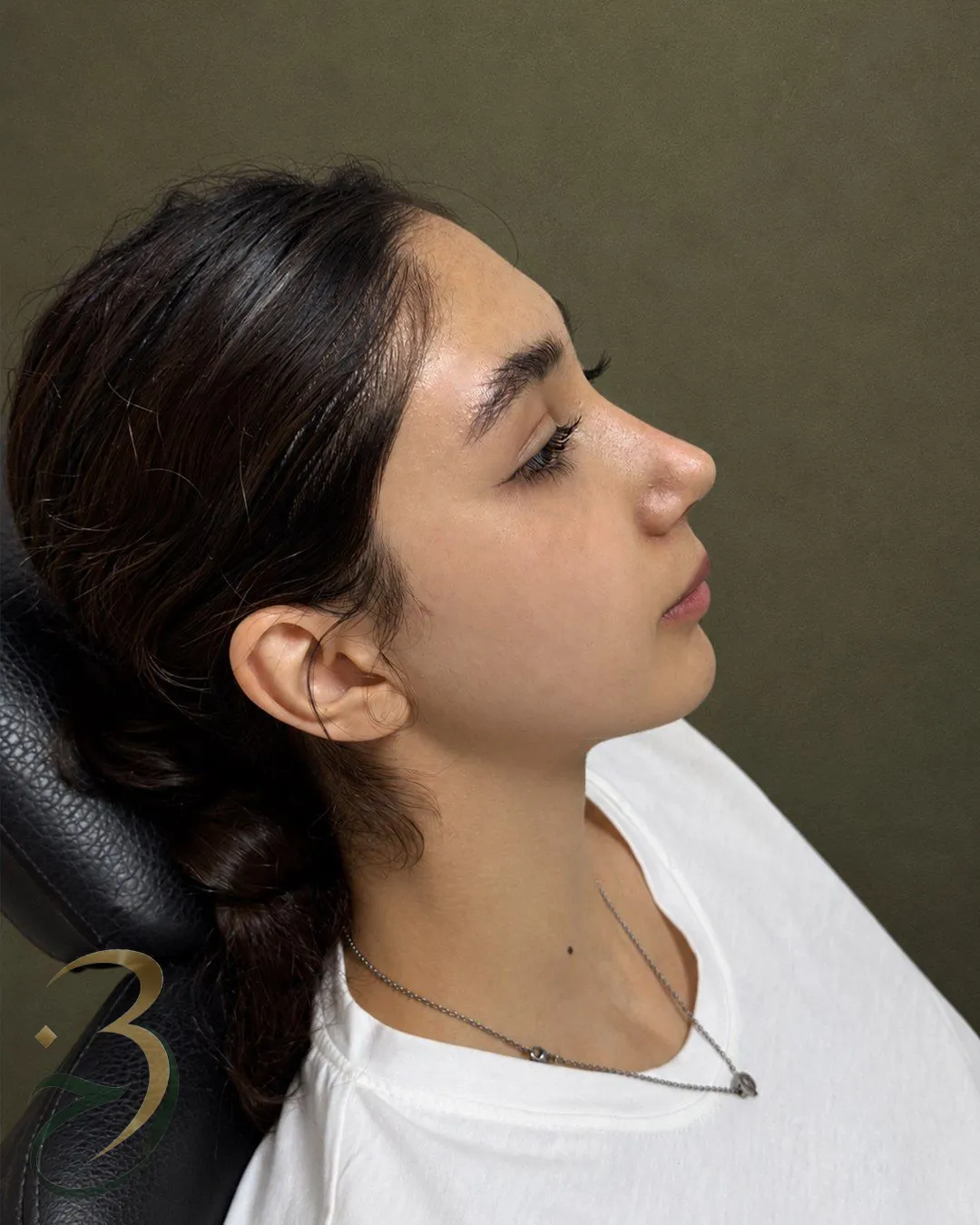
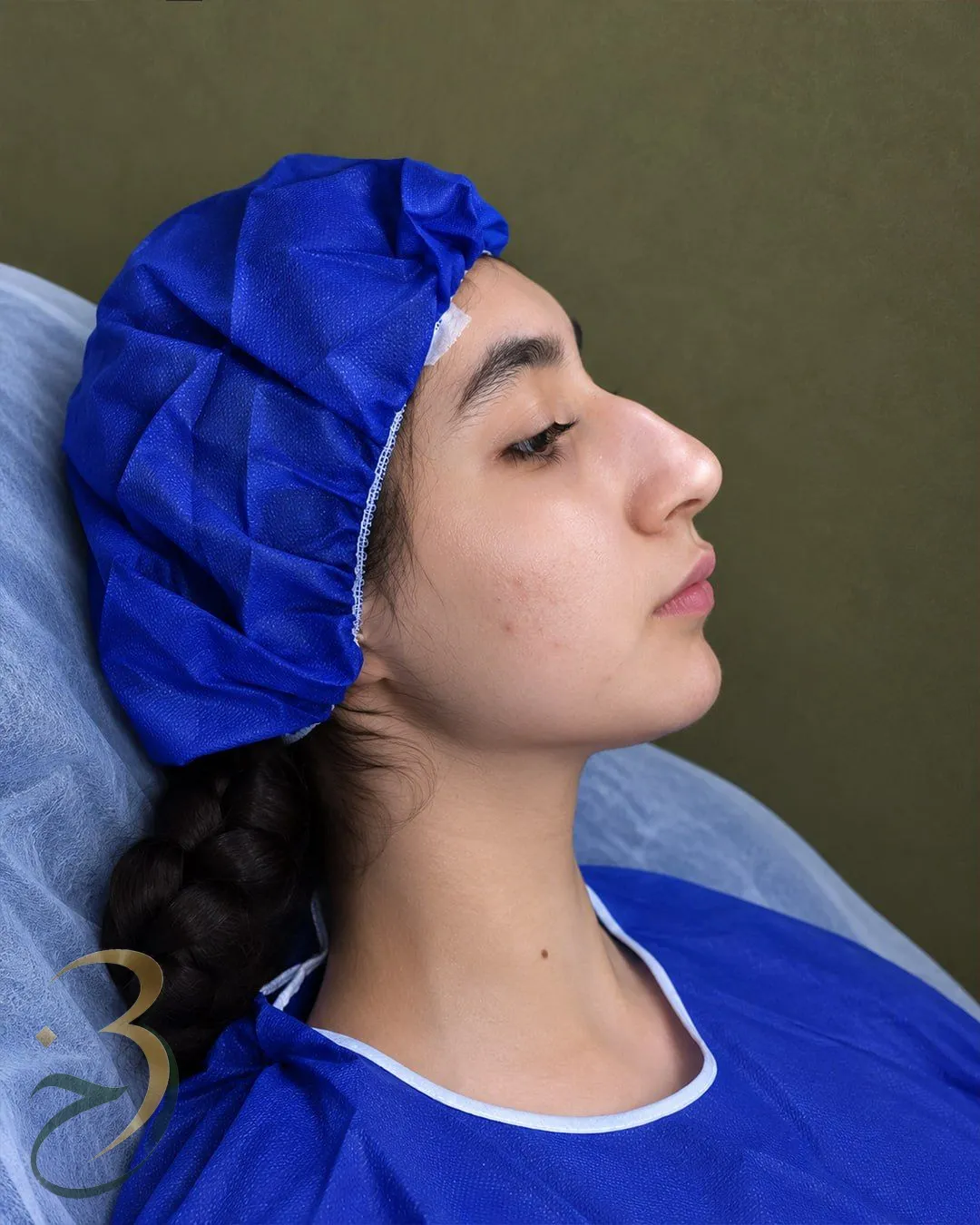
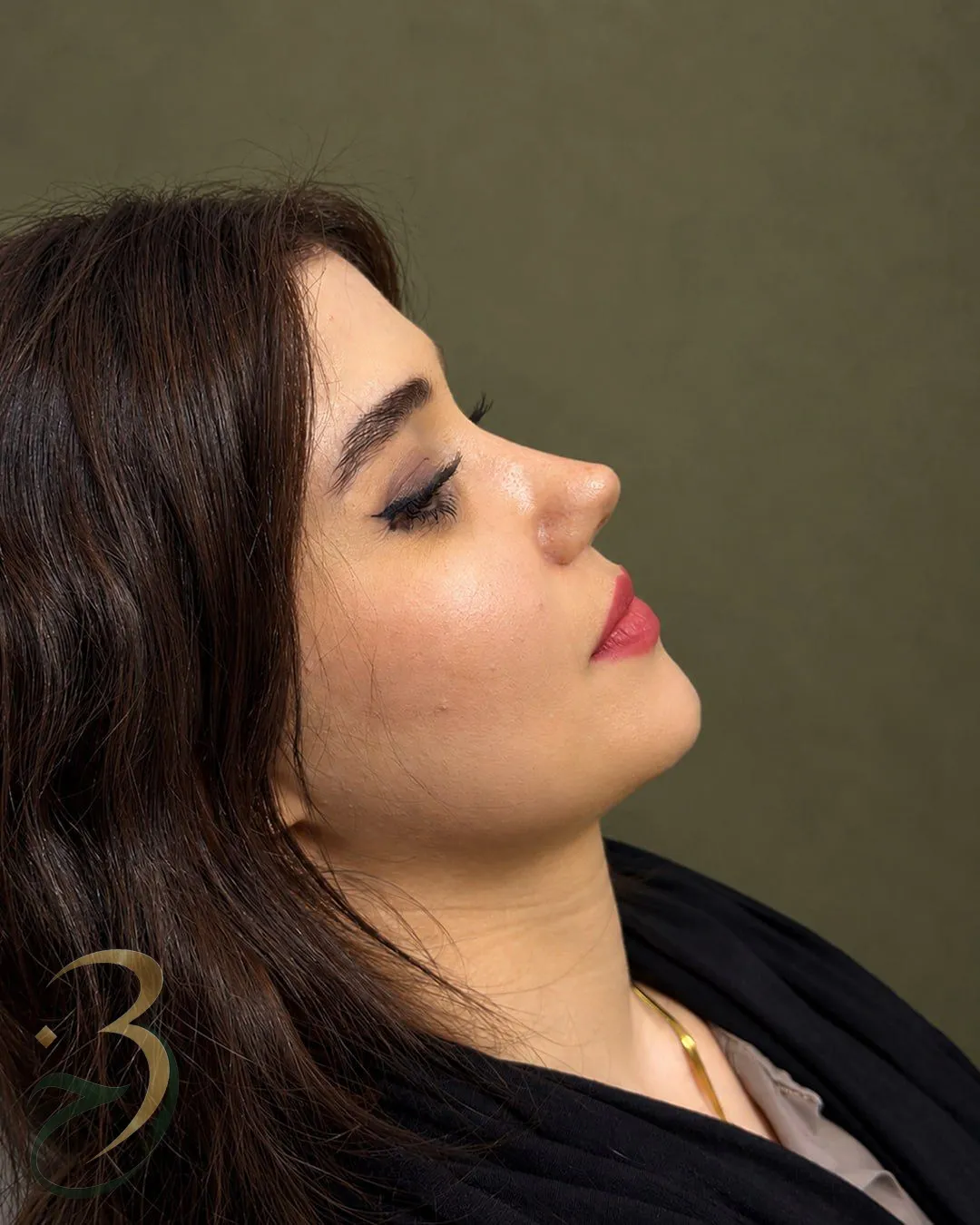
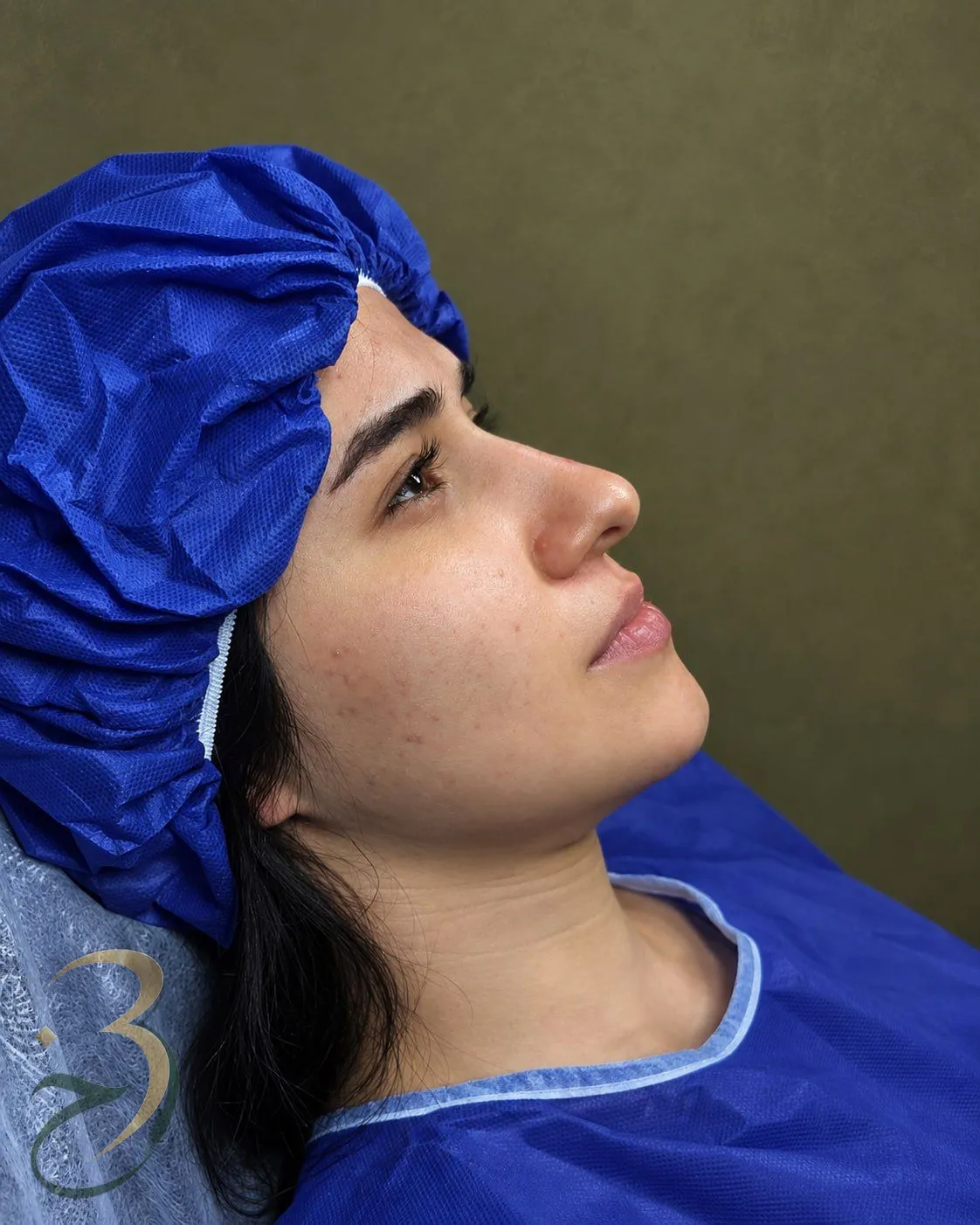
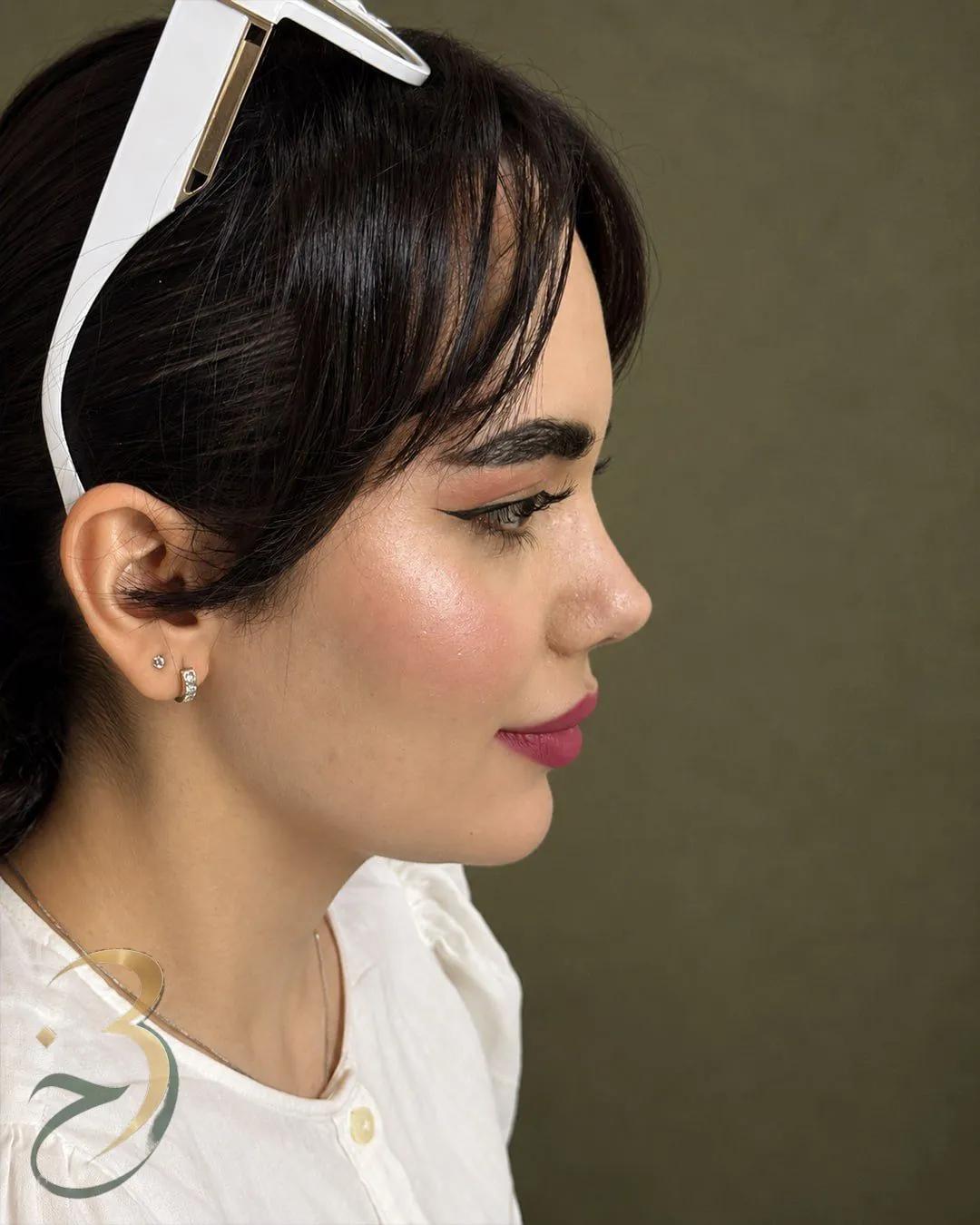
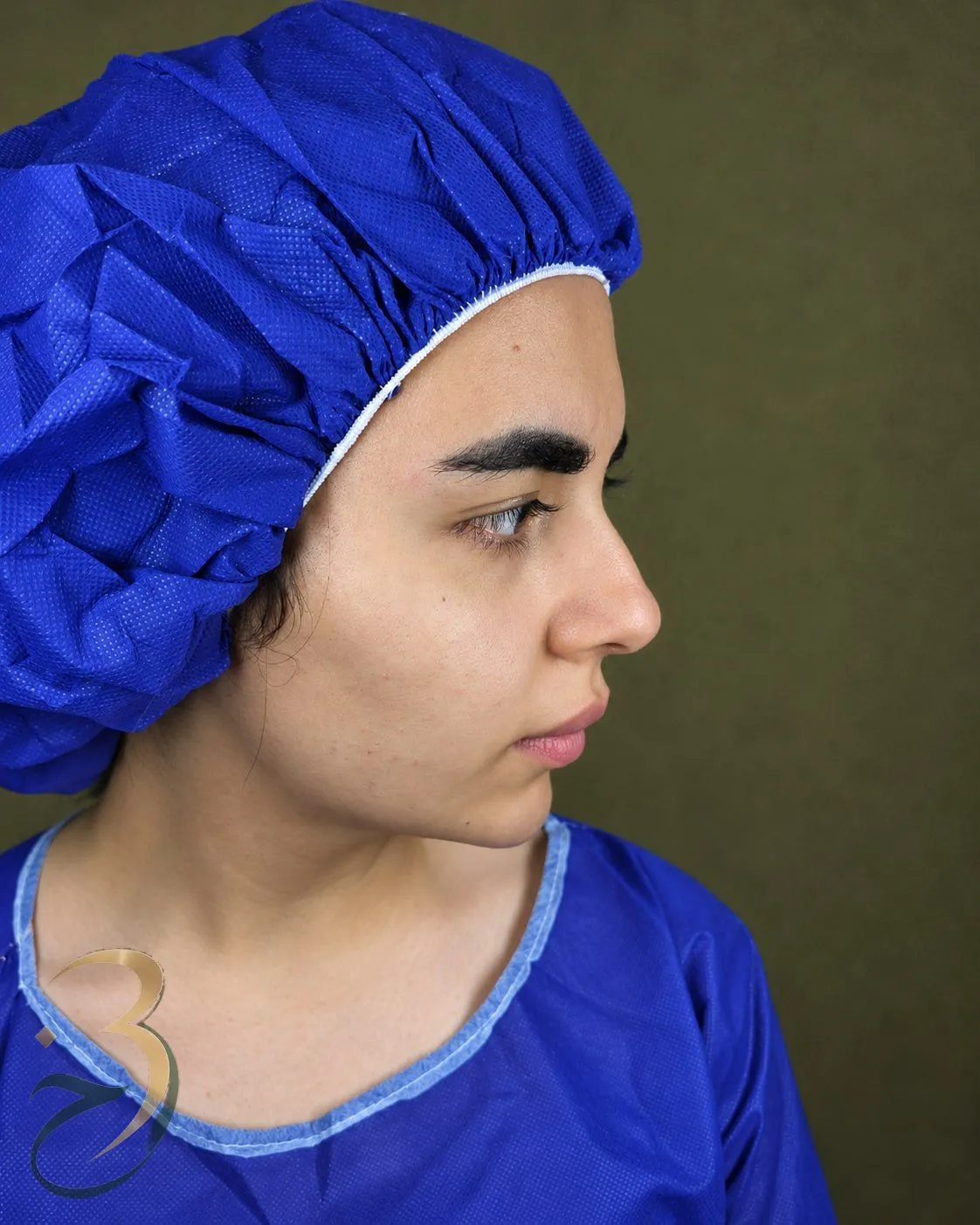
Before and after results
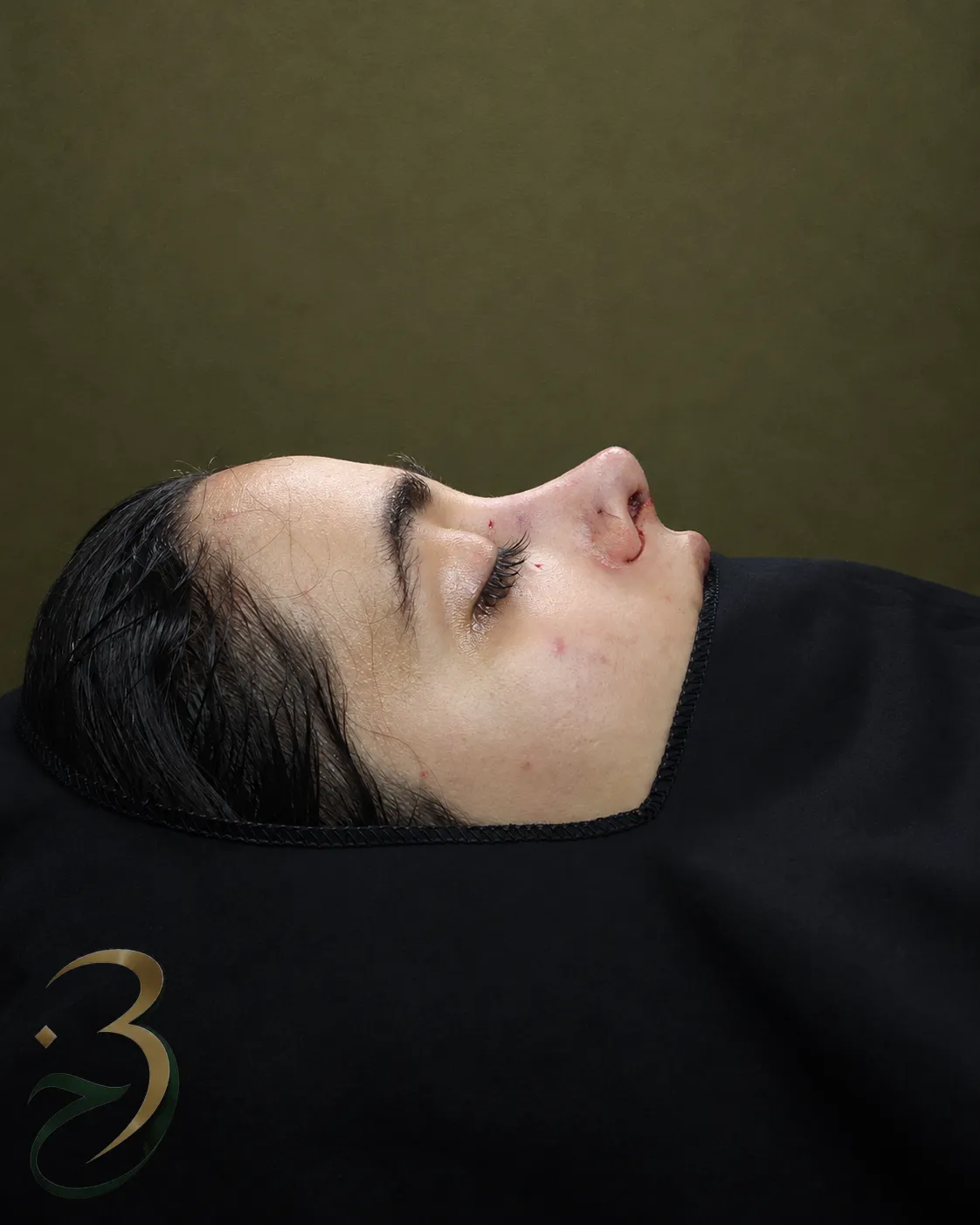
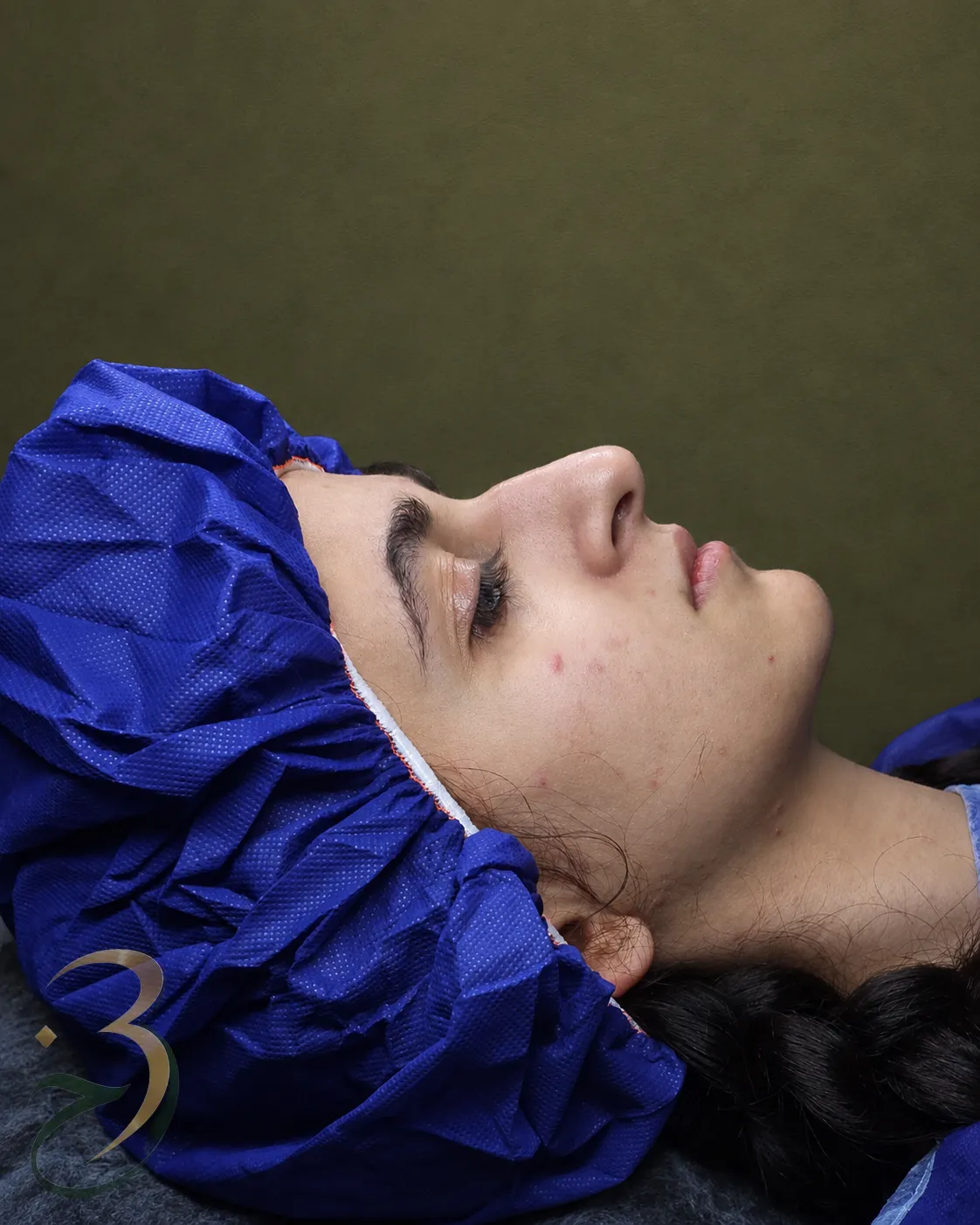
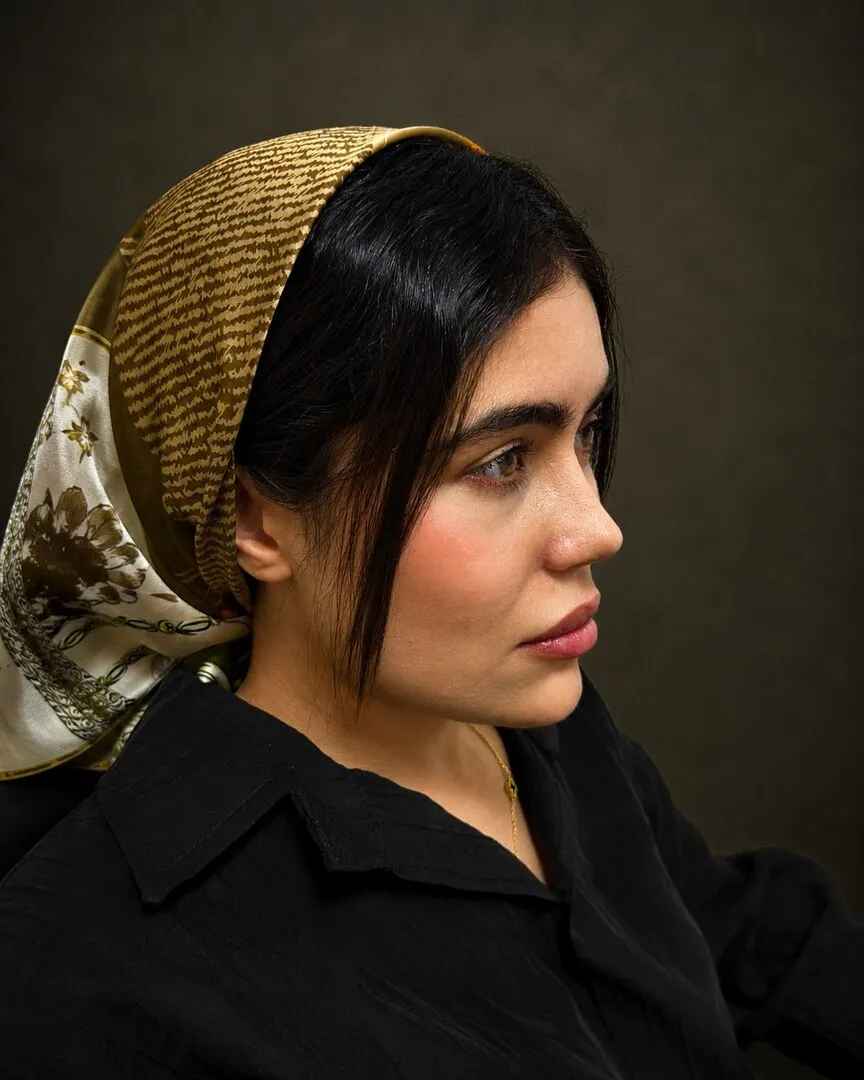
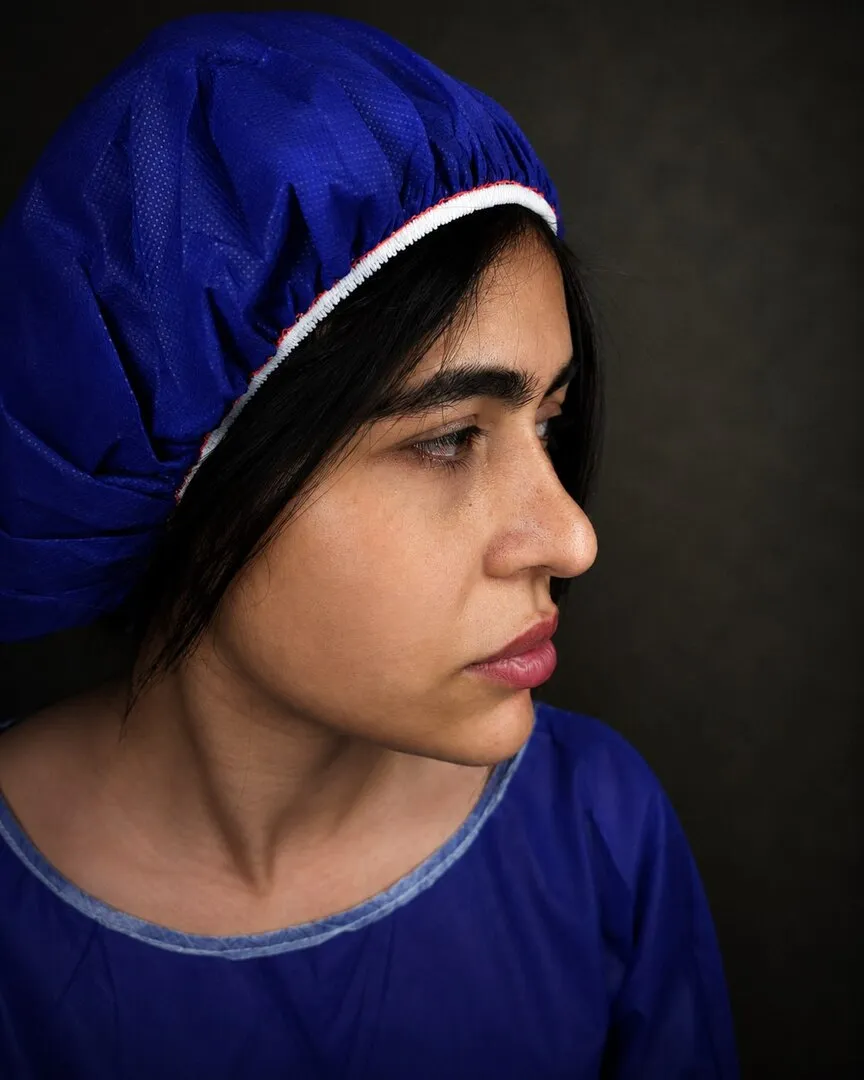
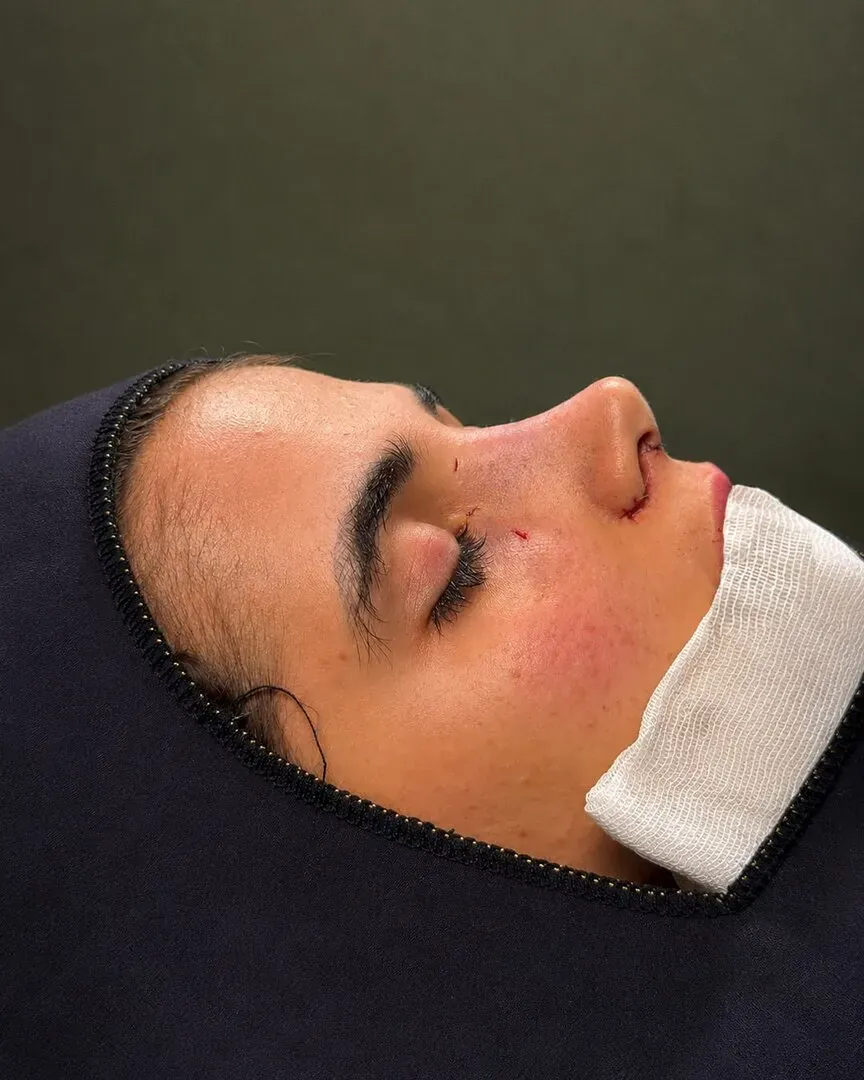
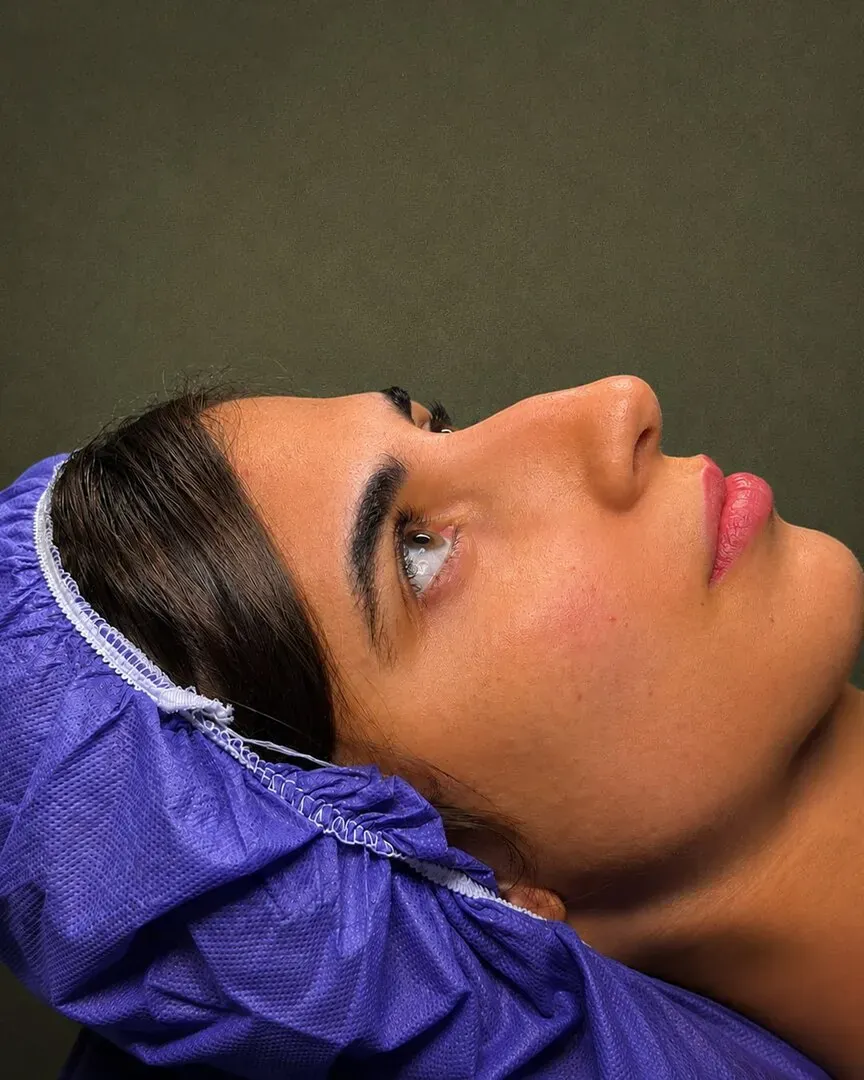
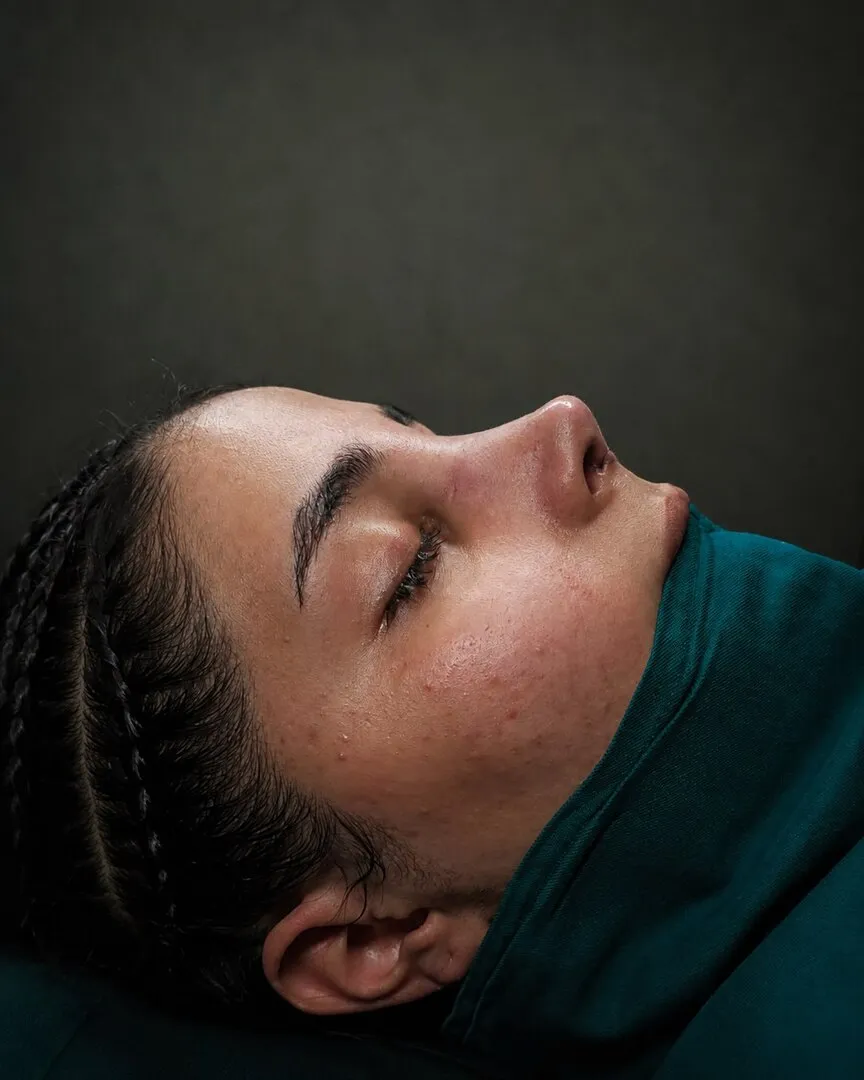
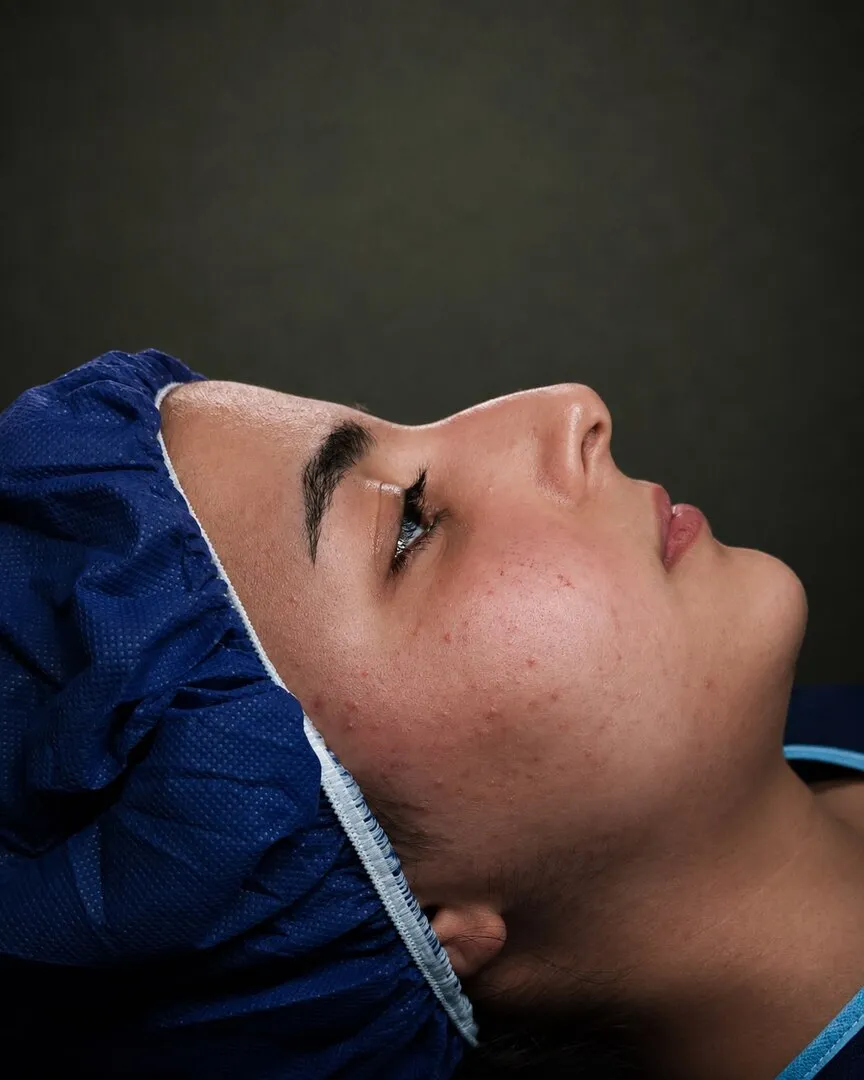
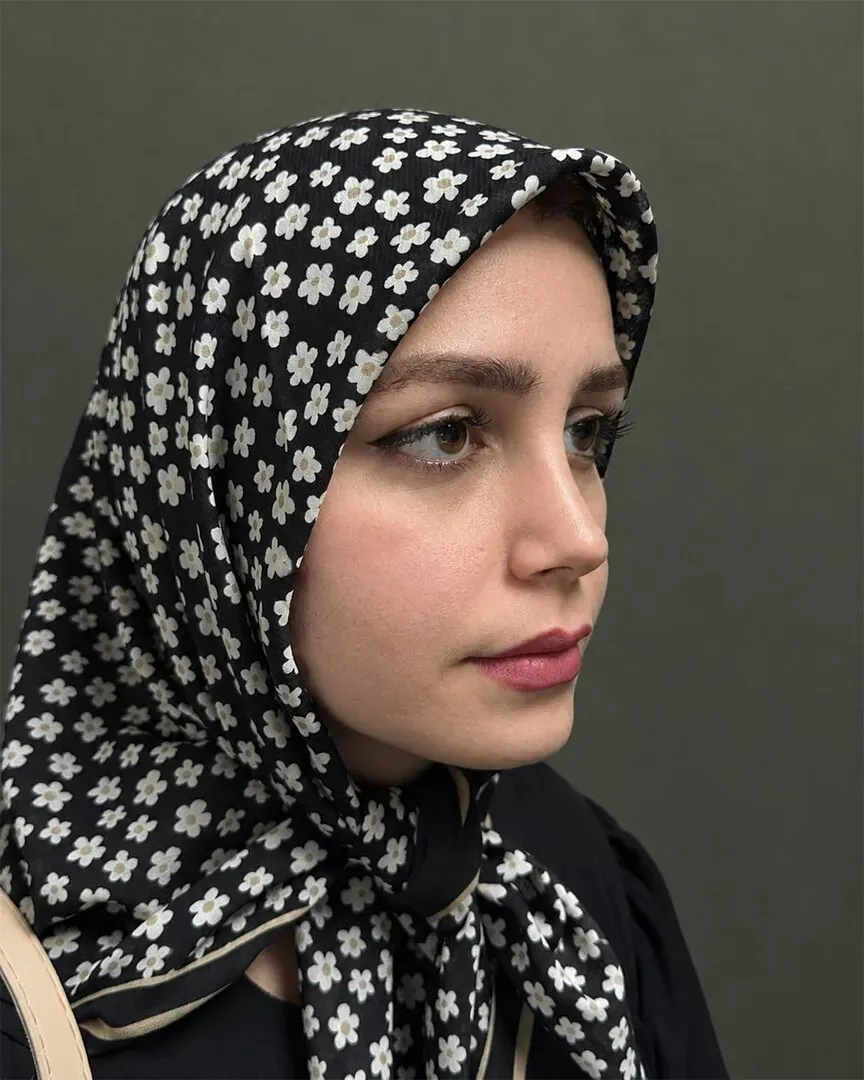
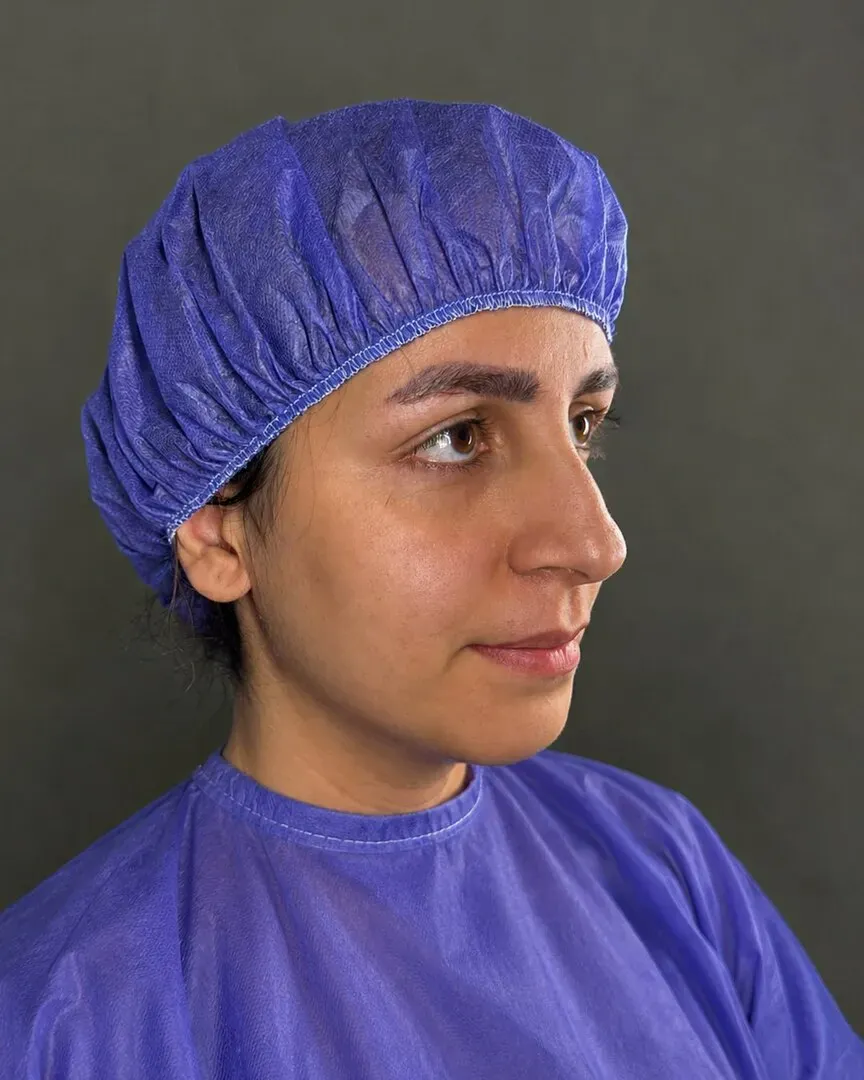
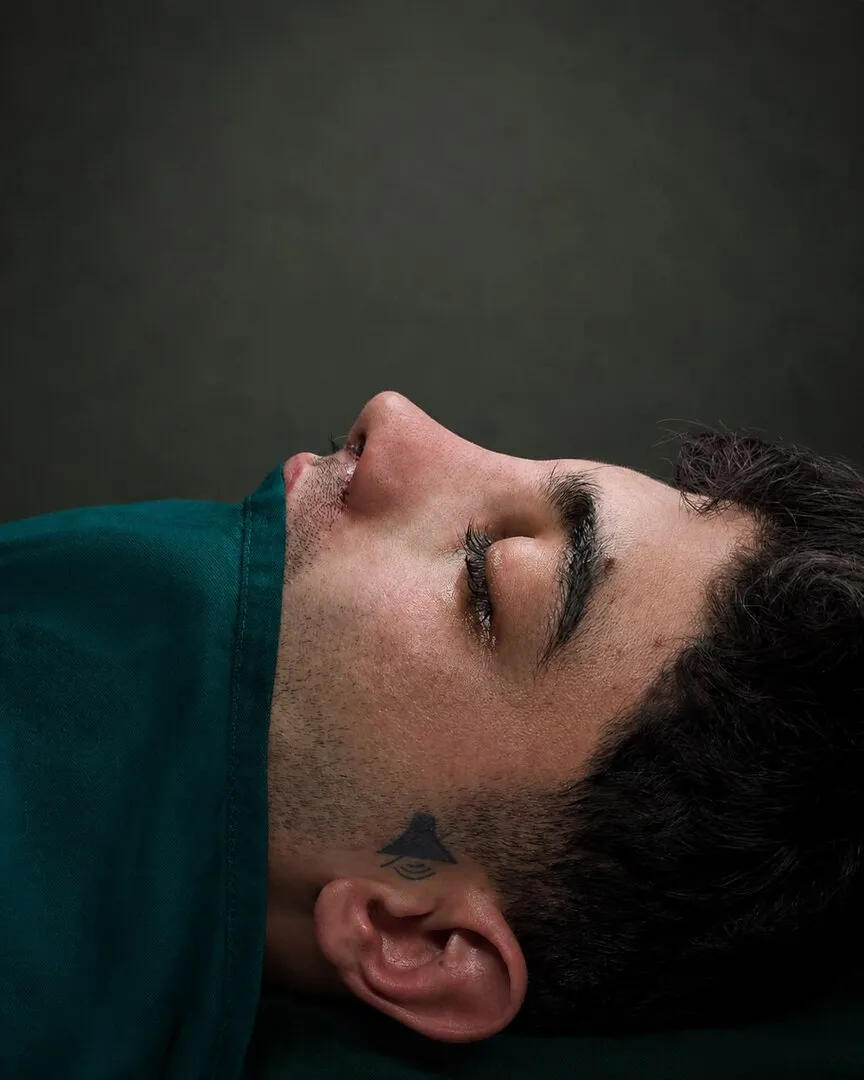
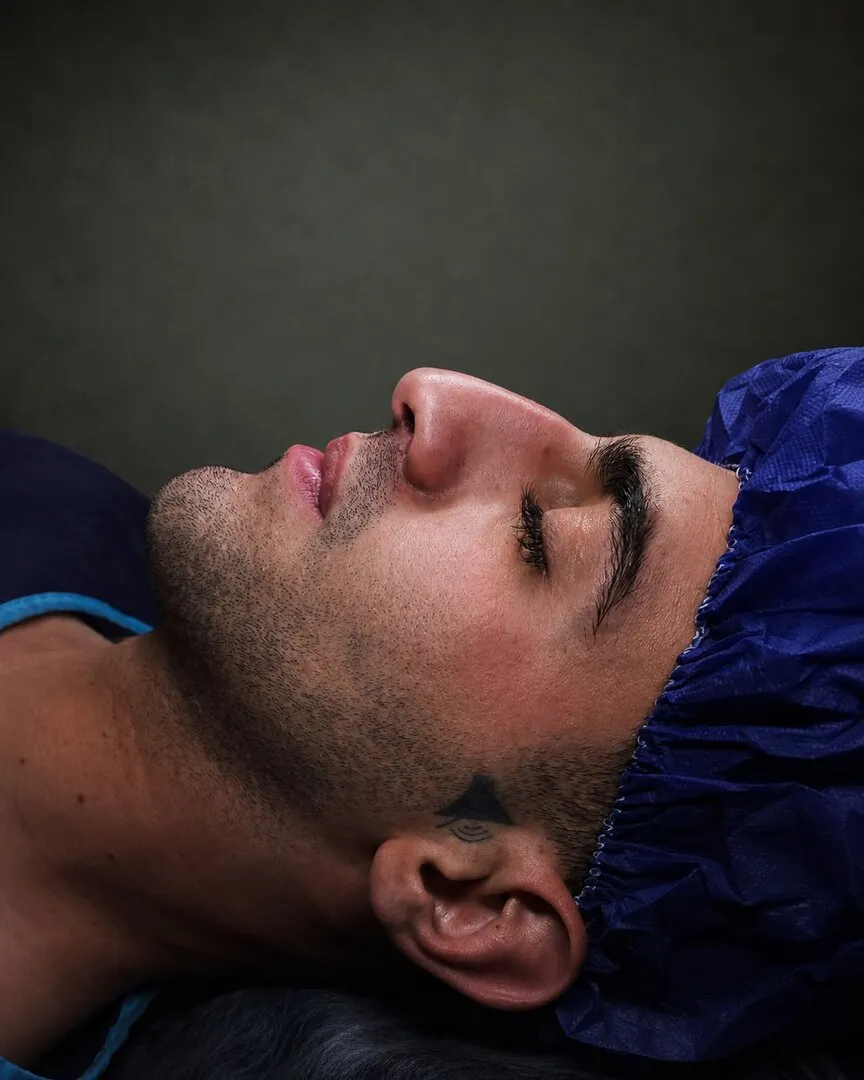
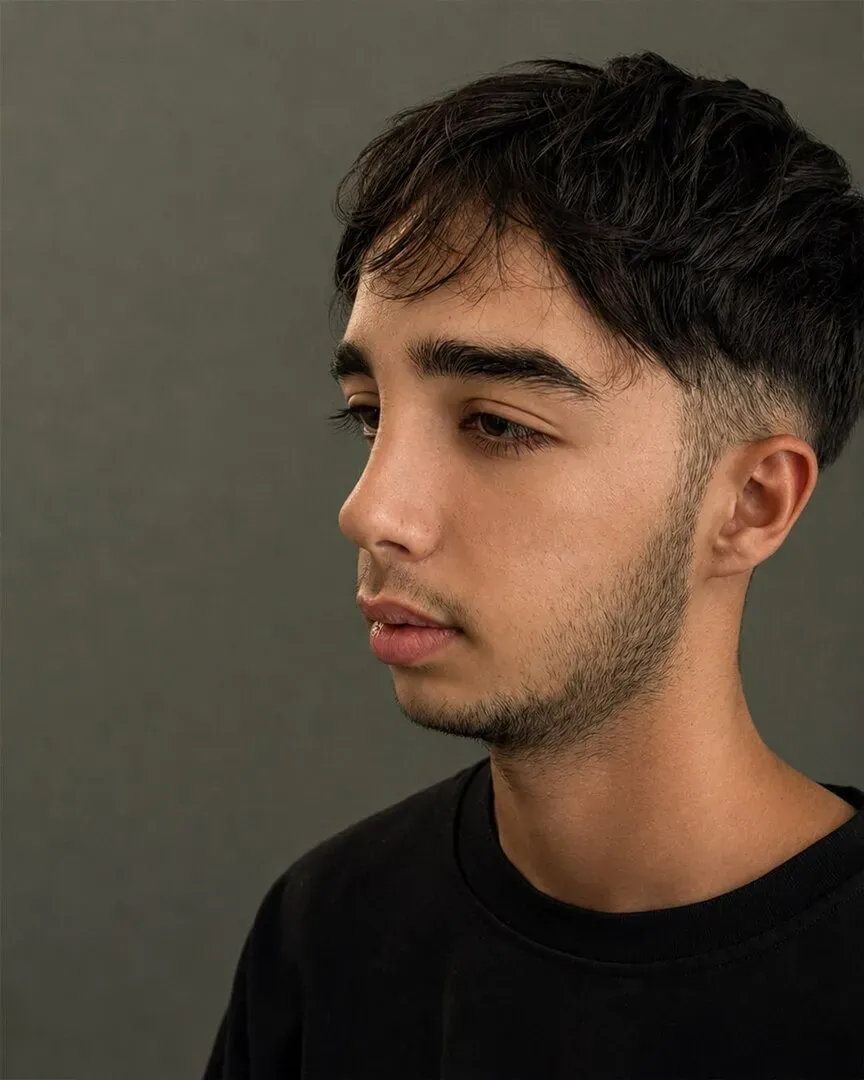
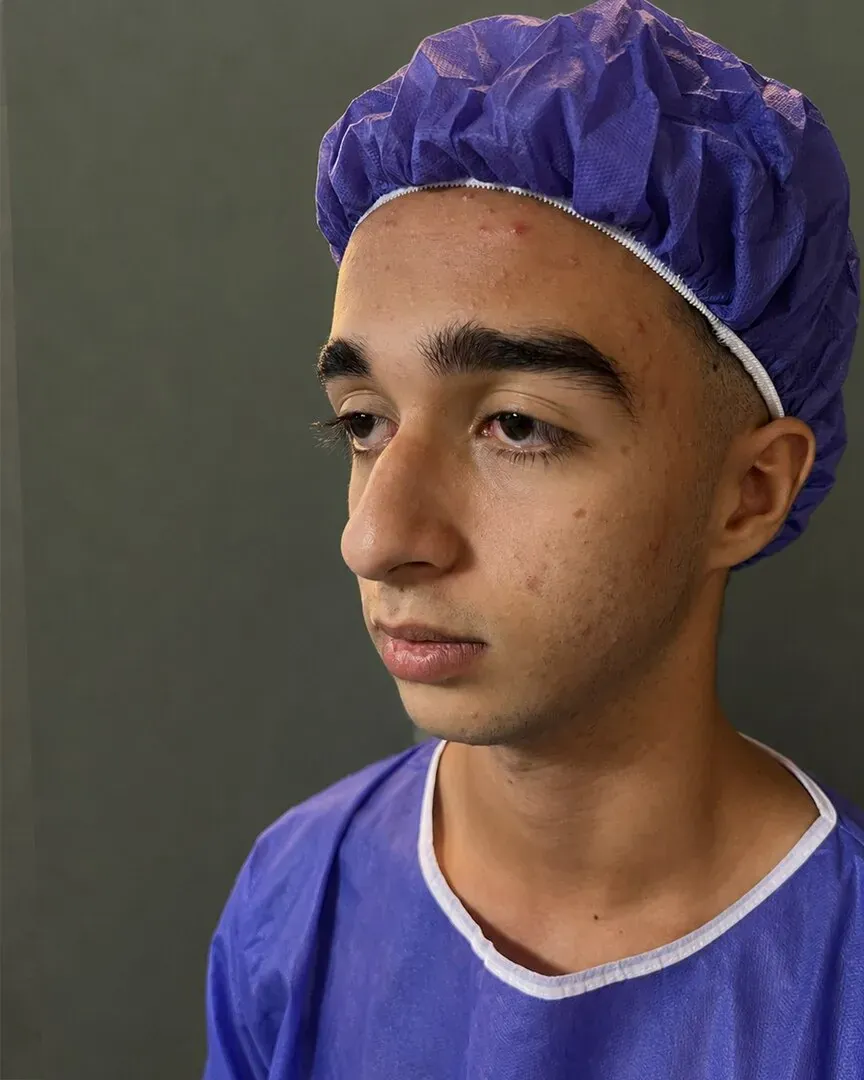
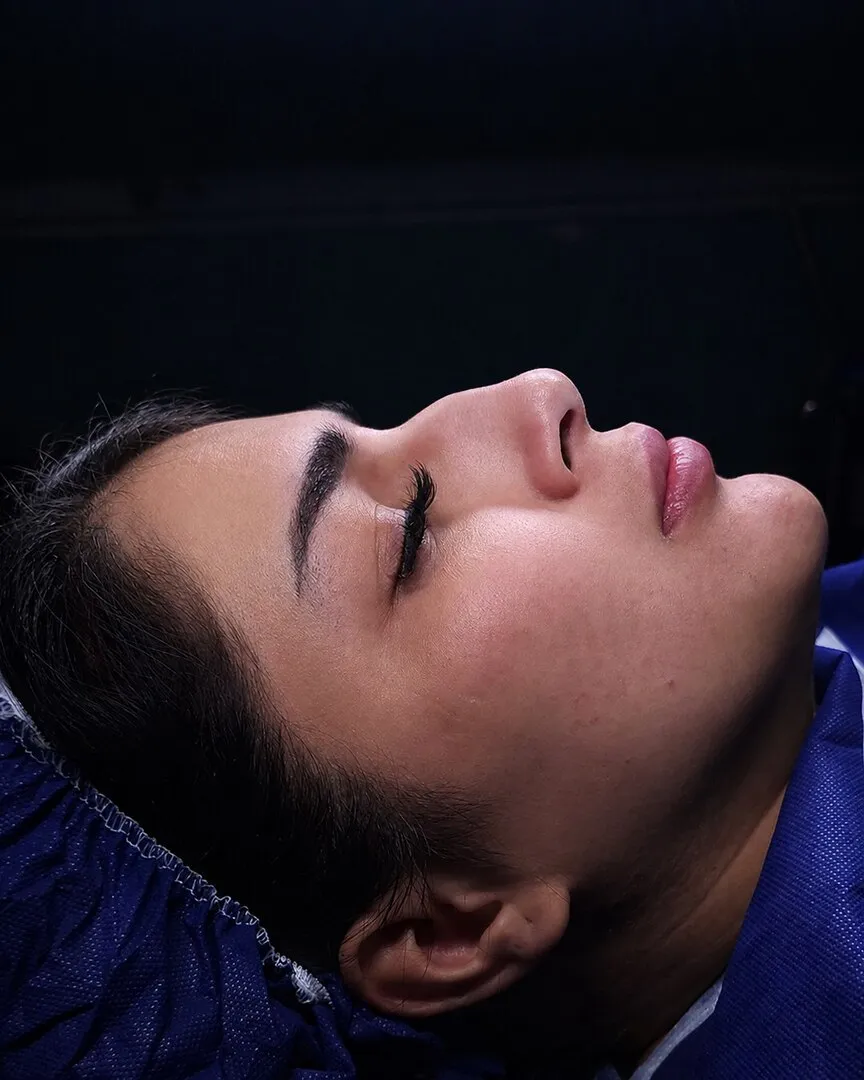
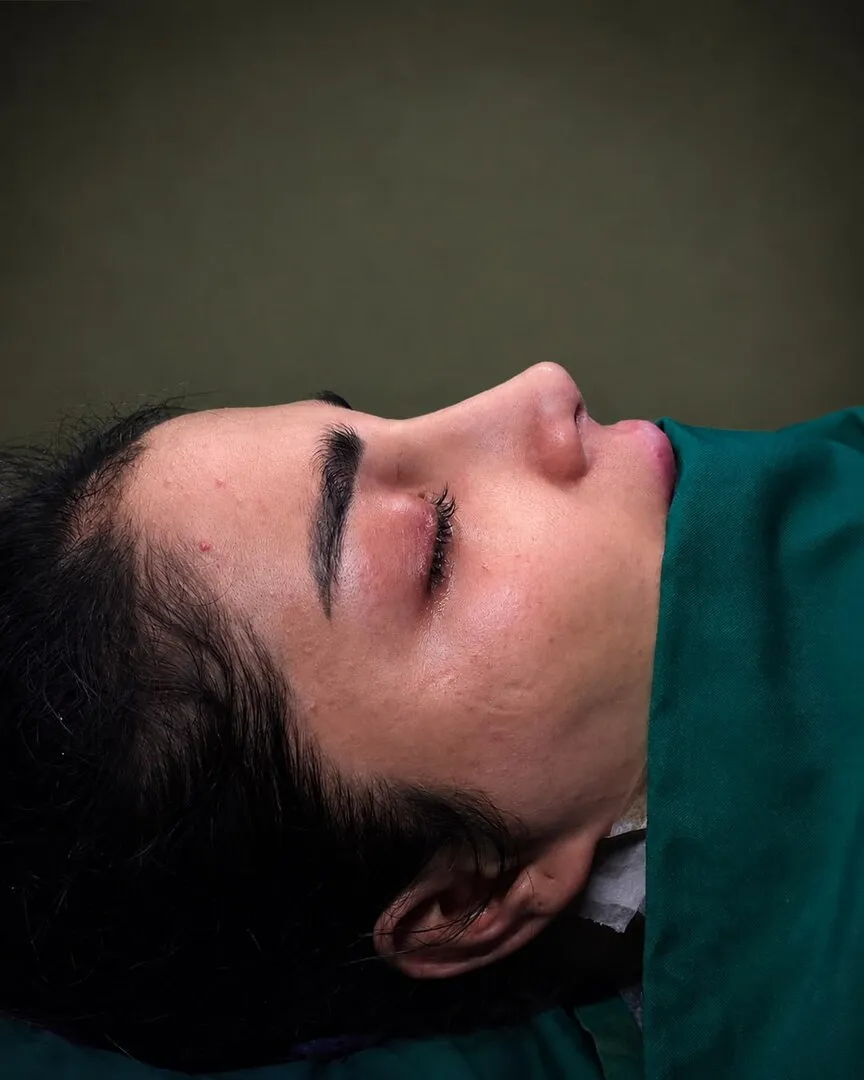
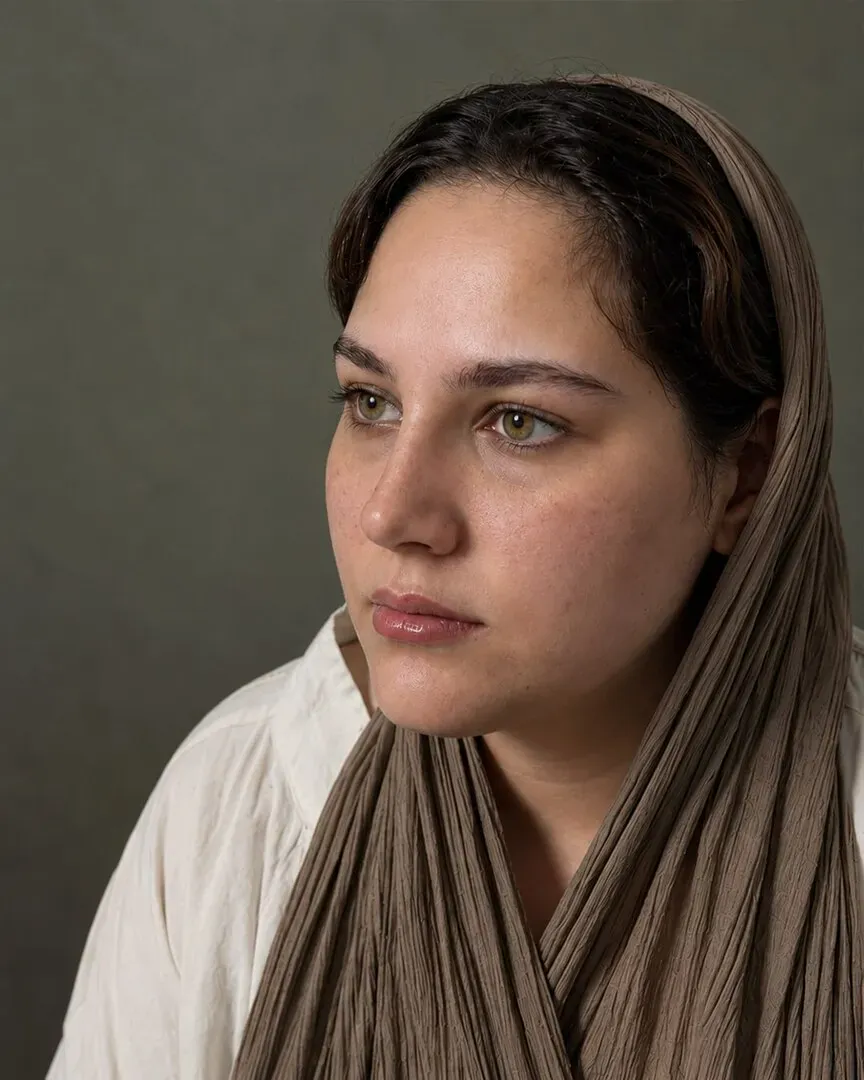
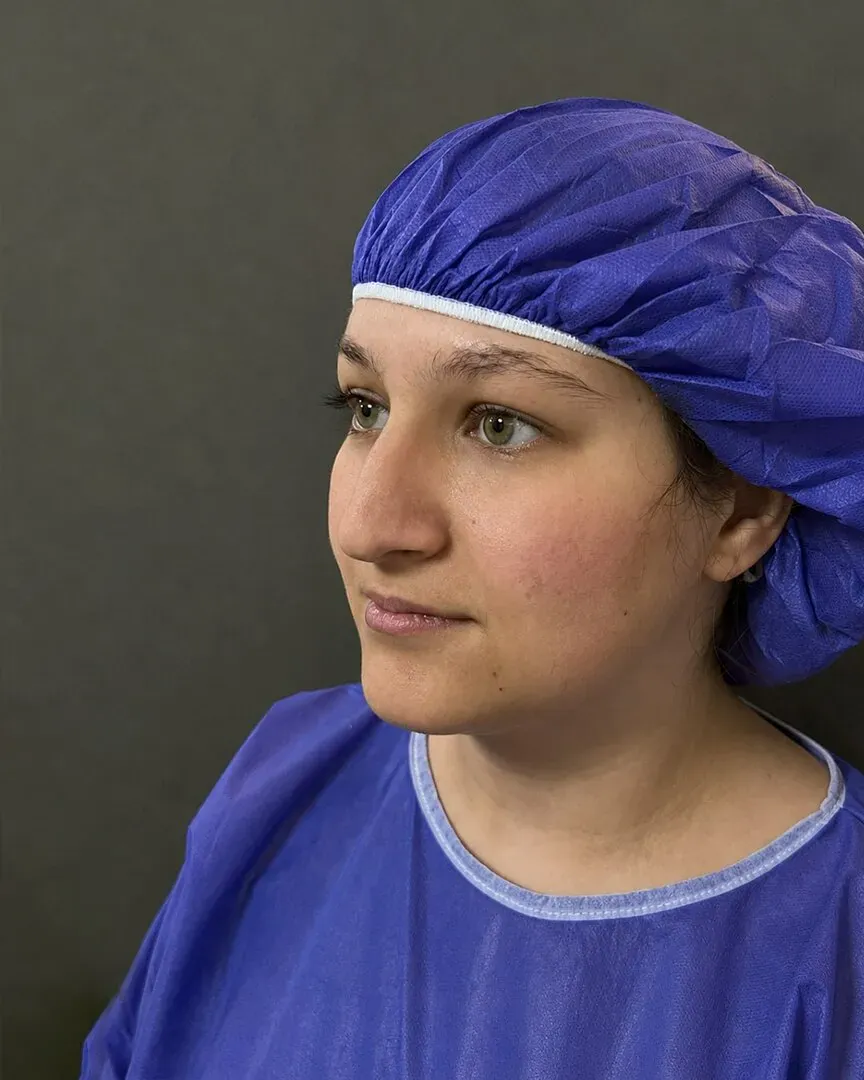
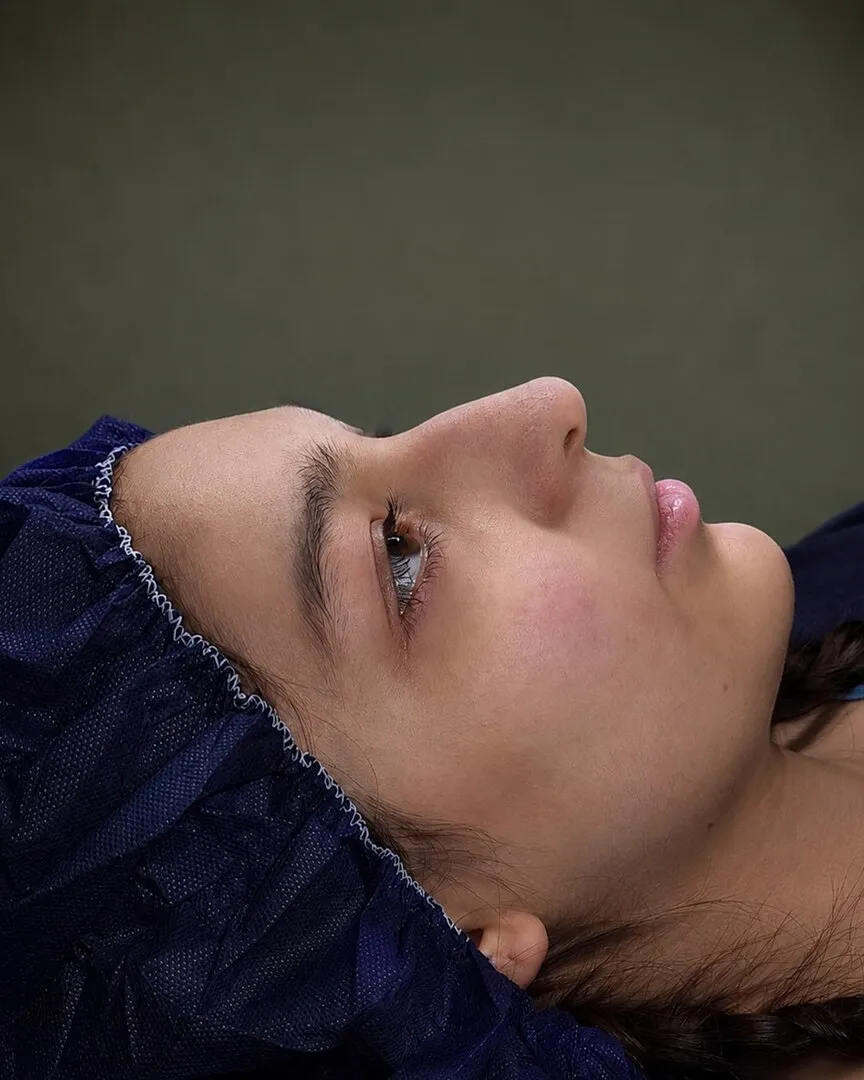
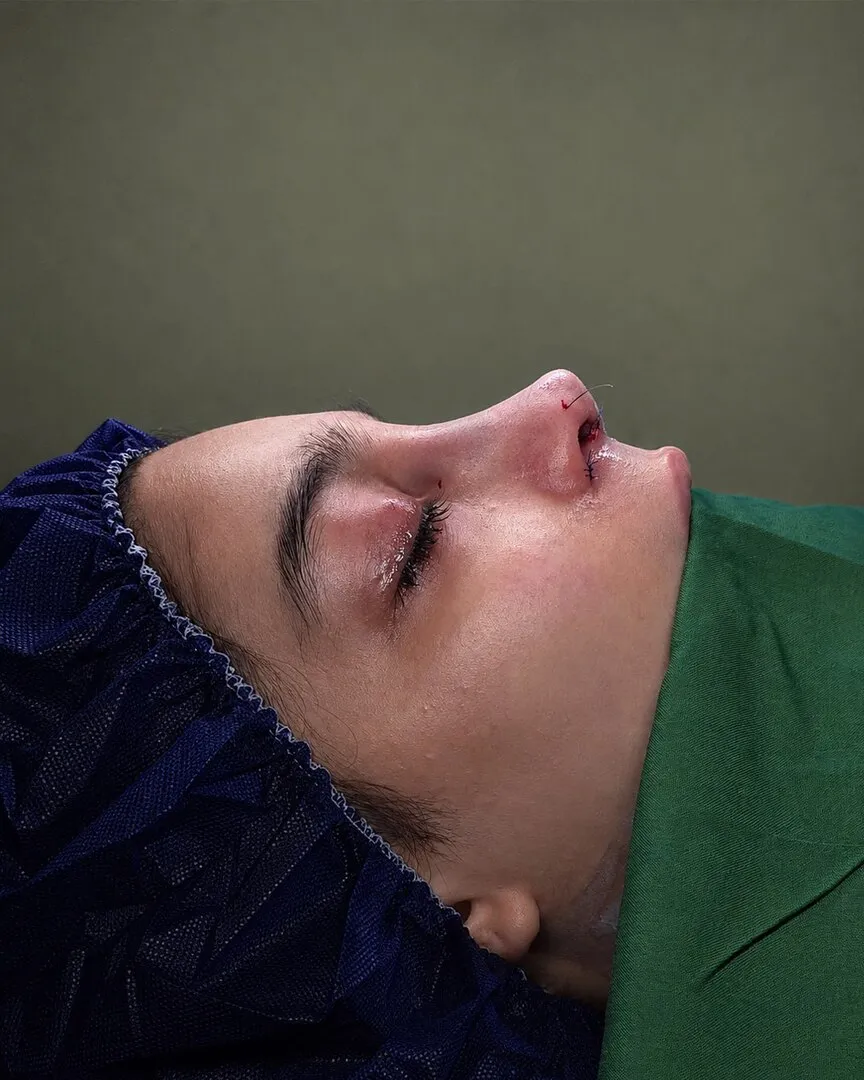
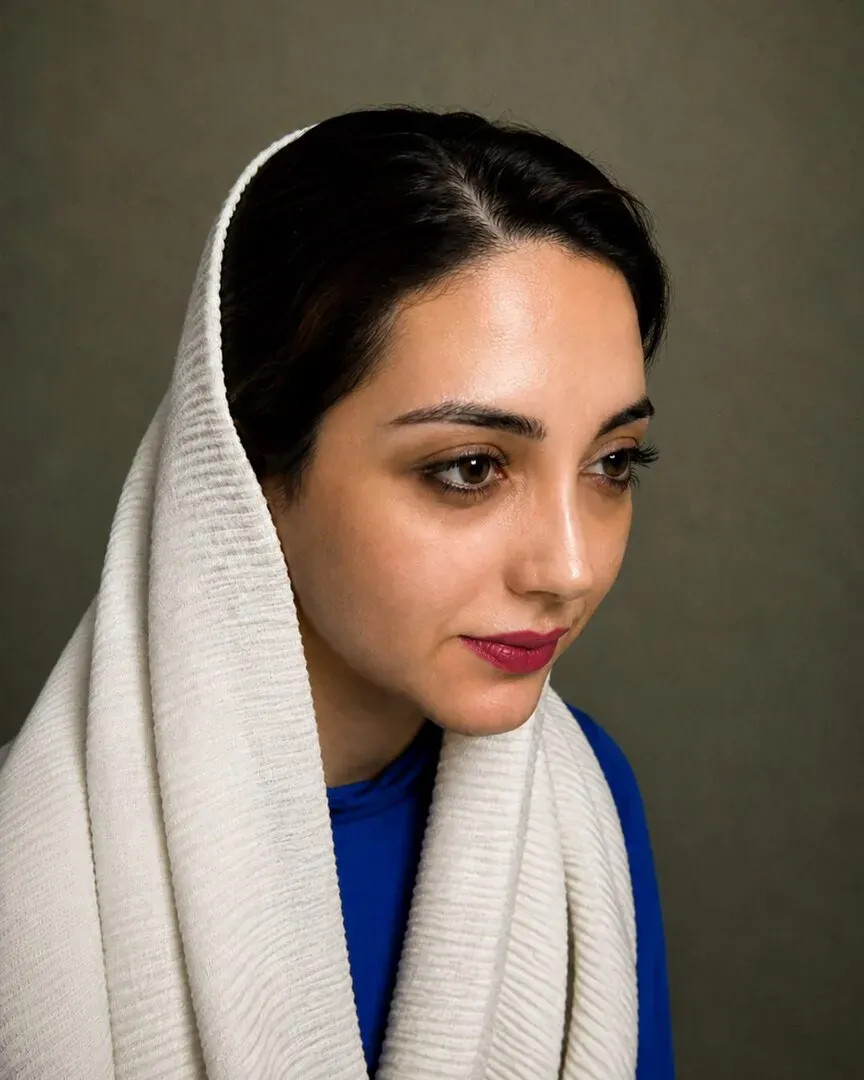
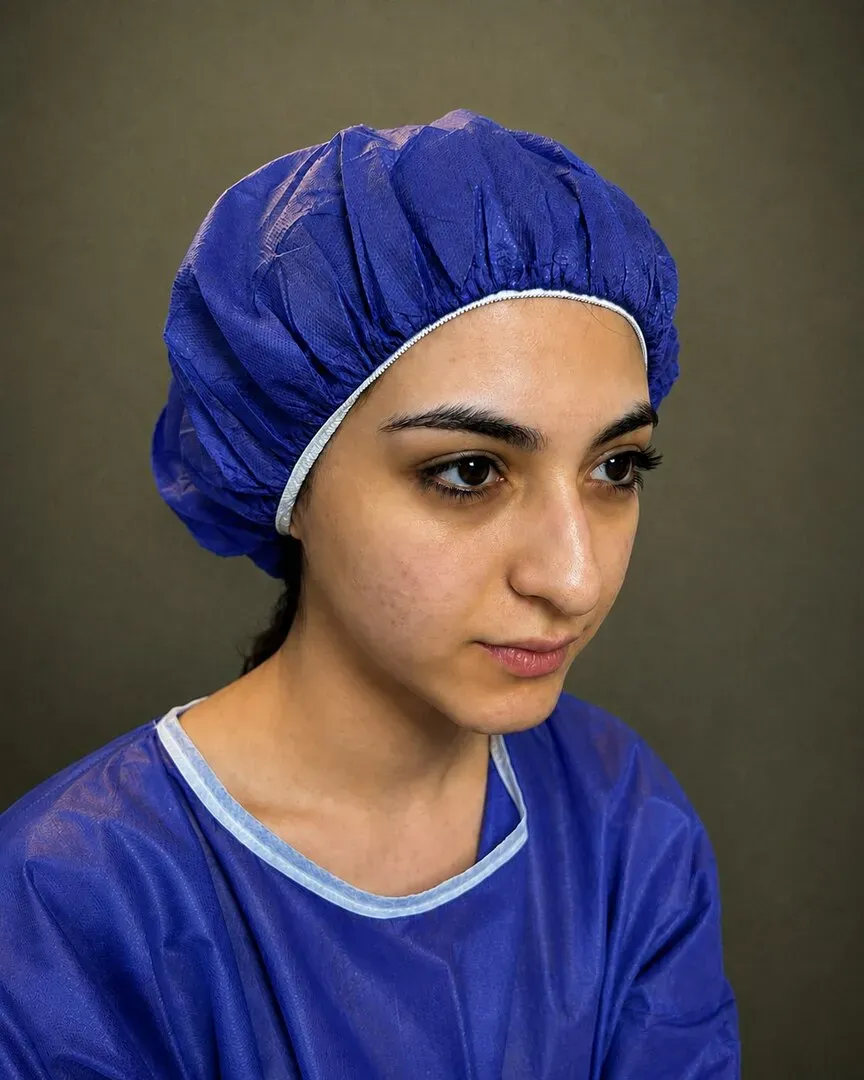
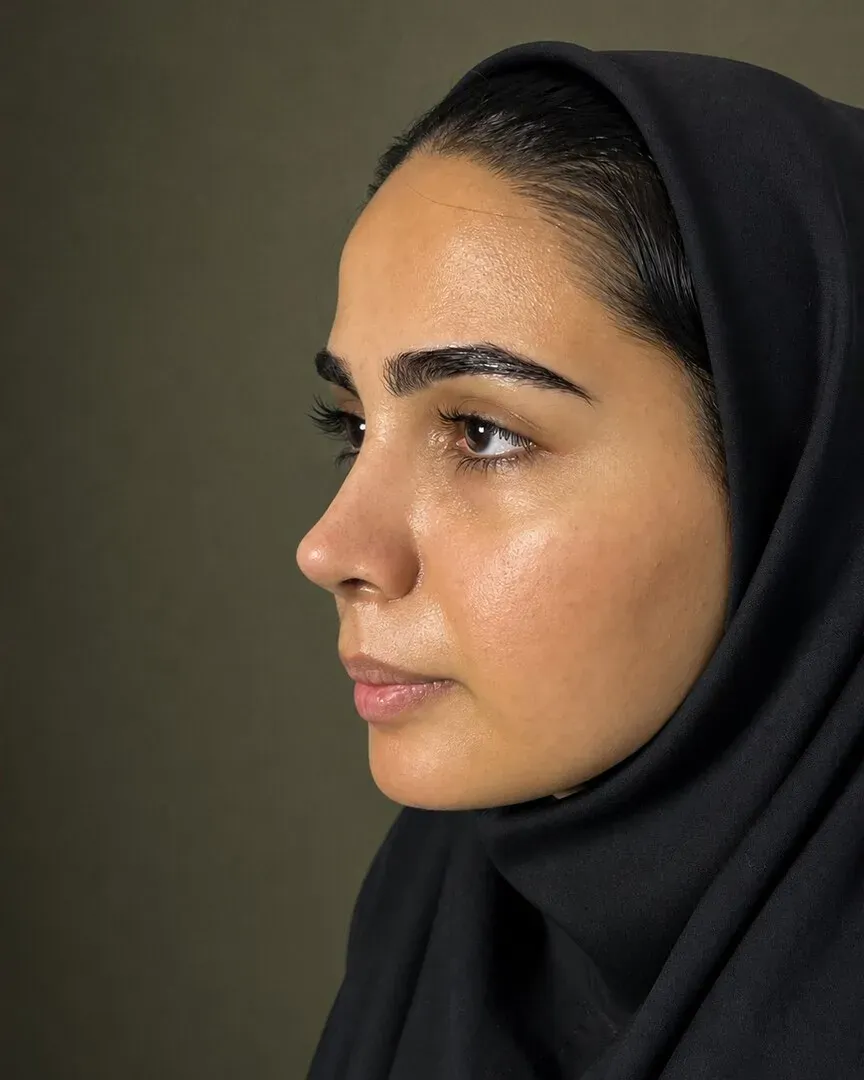
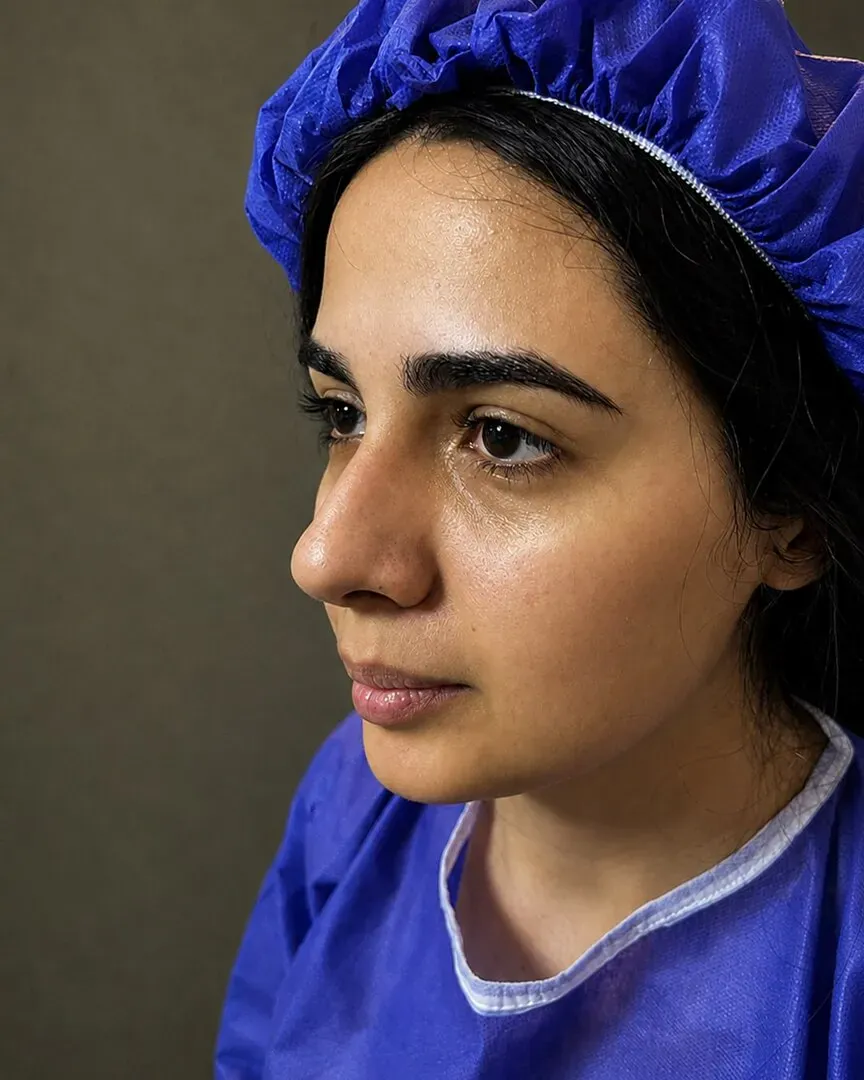
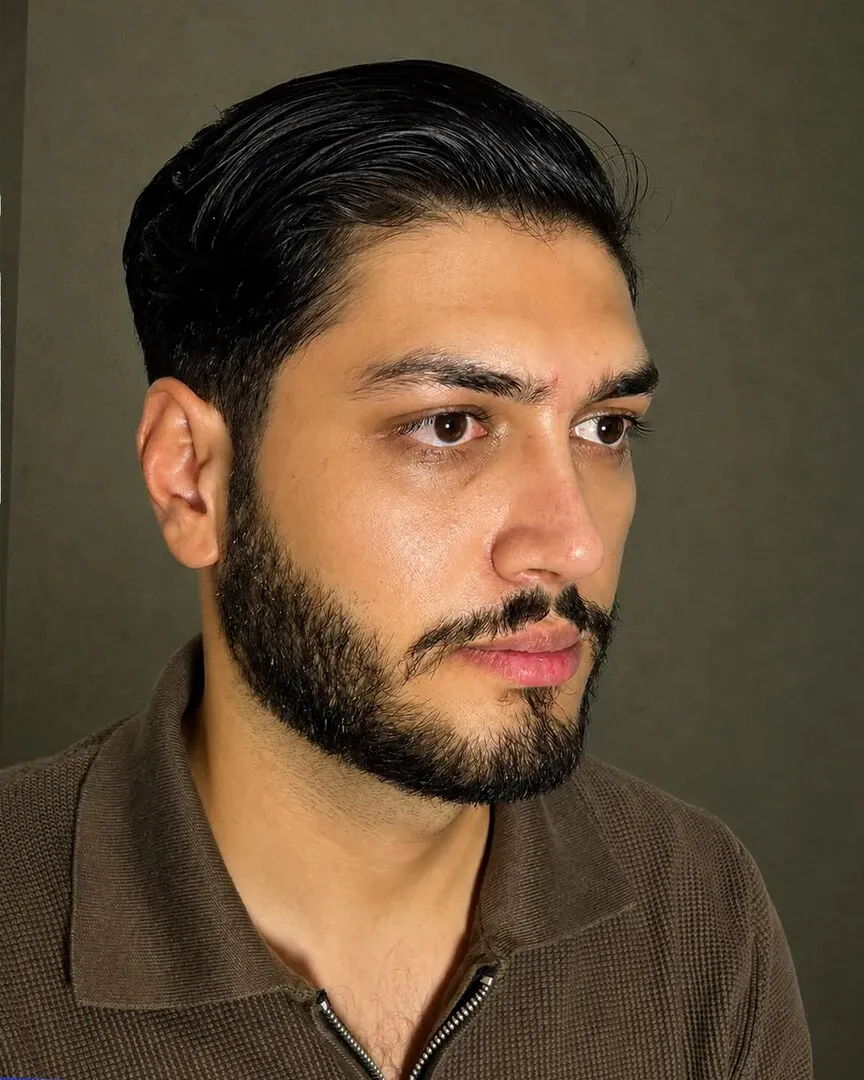
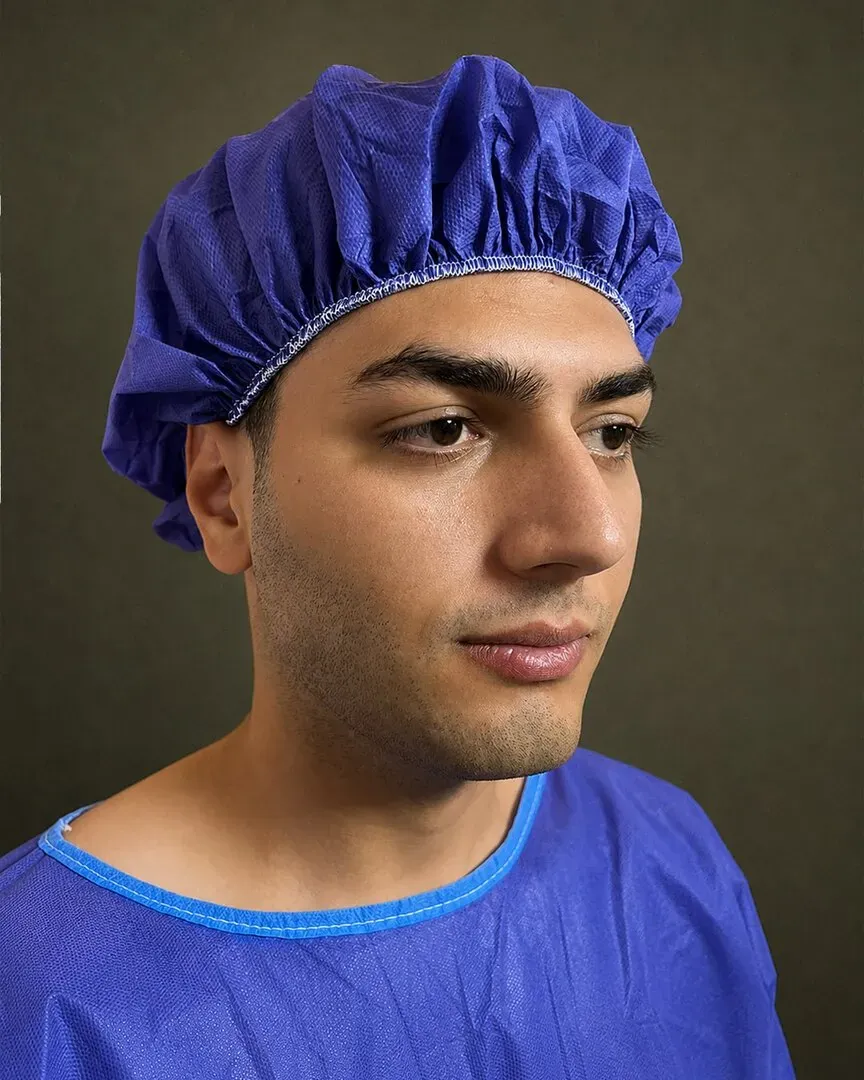
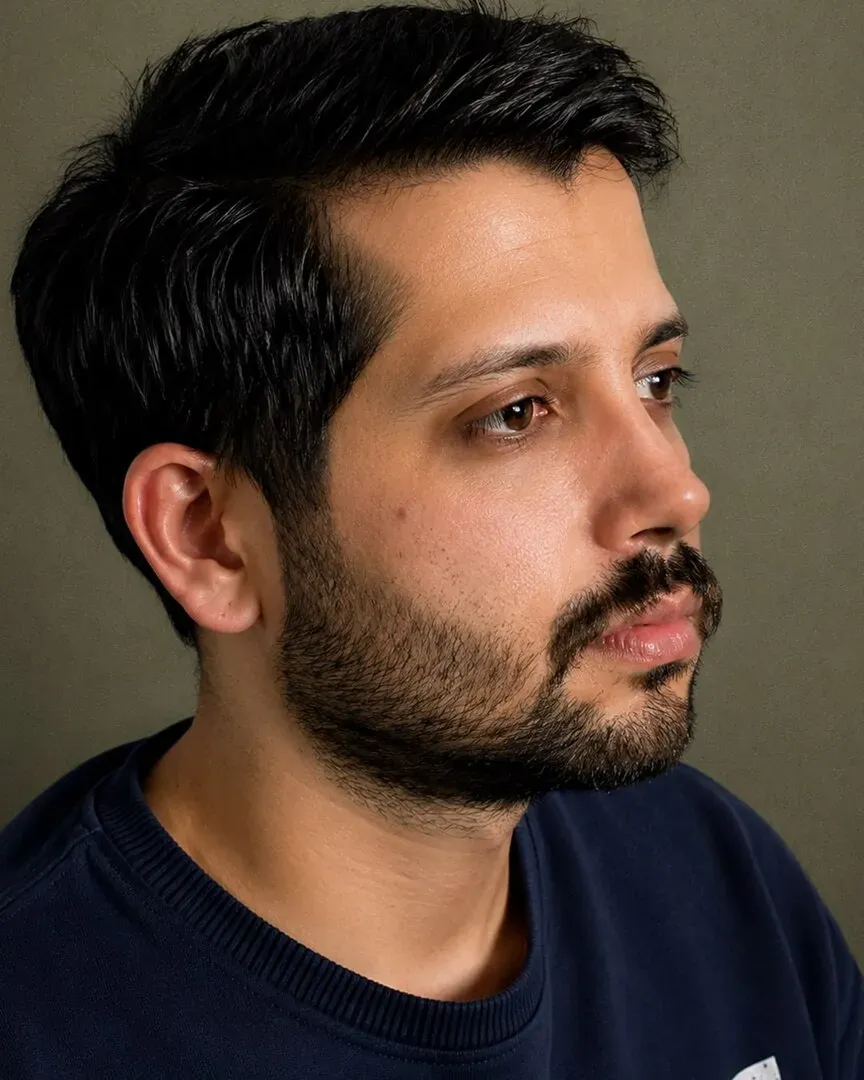
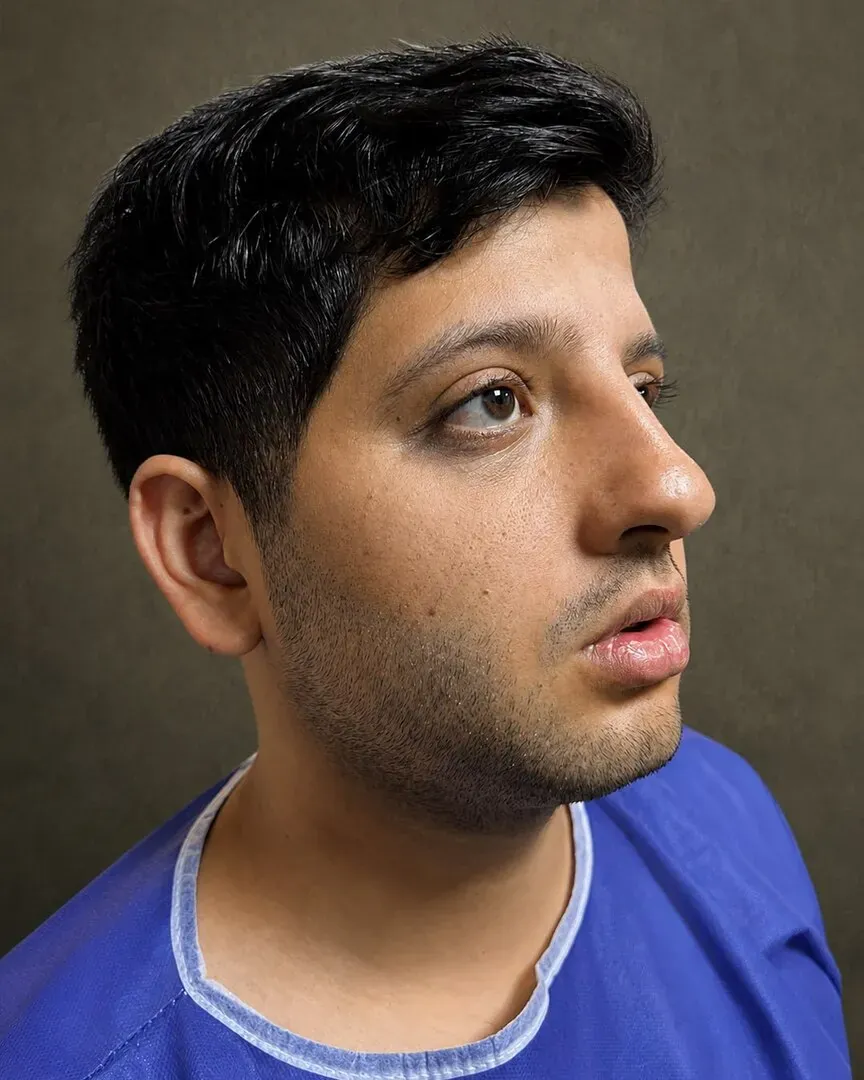
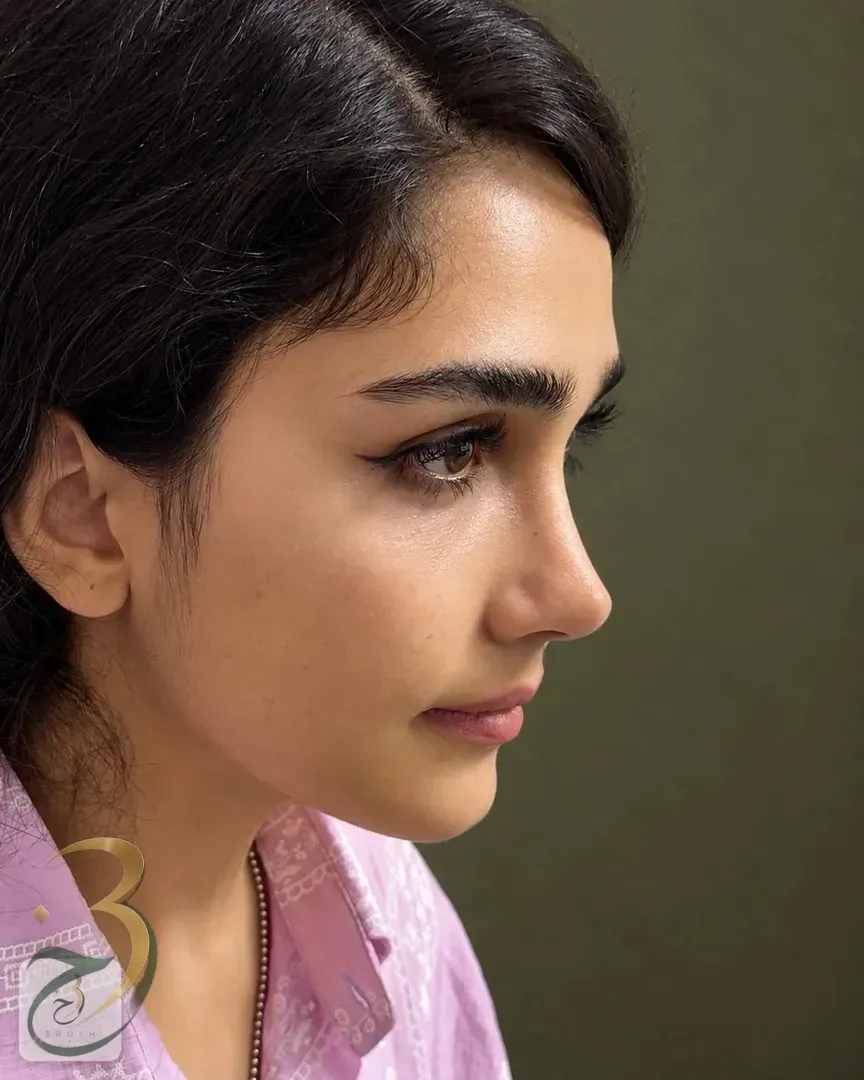
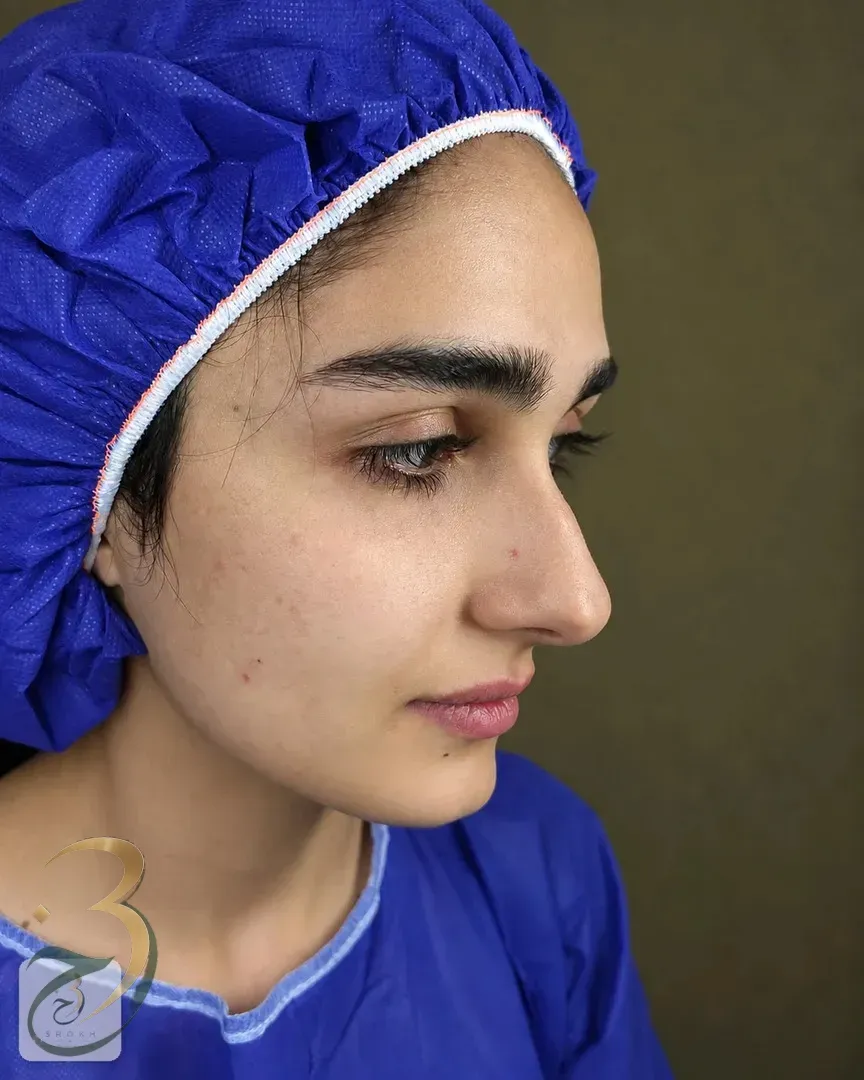
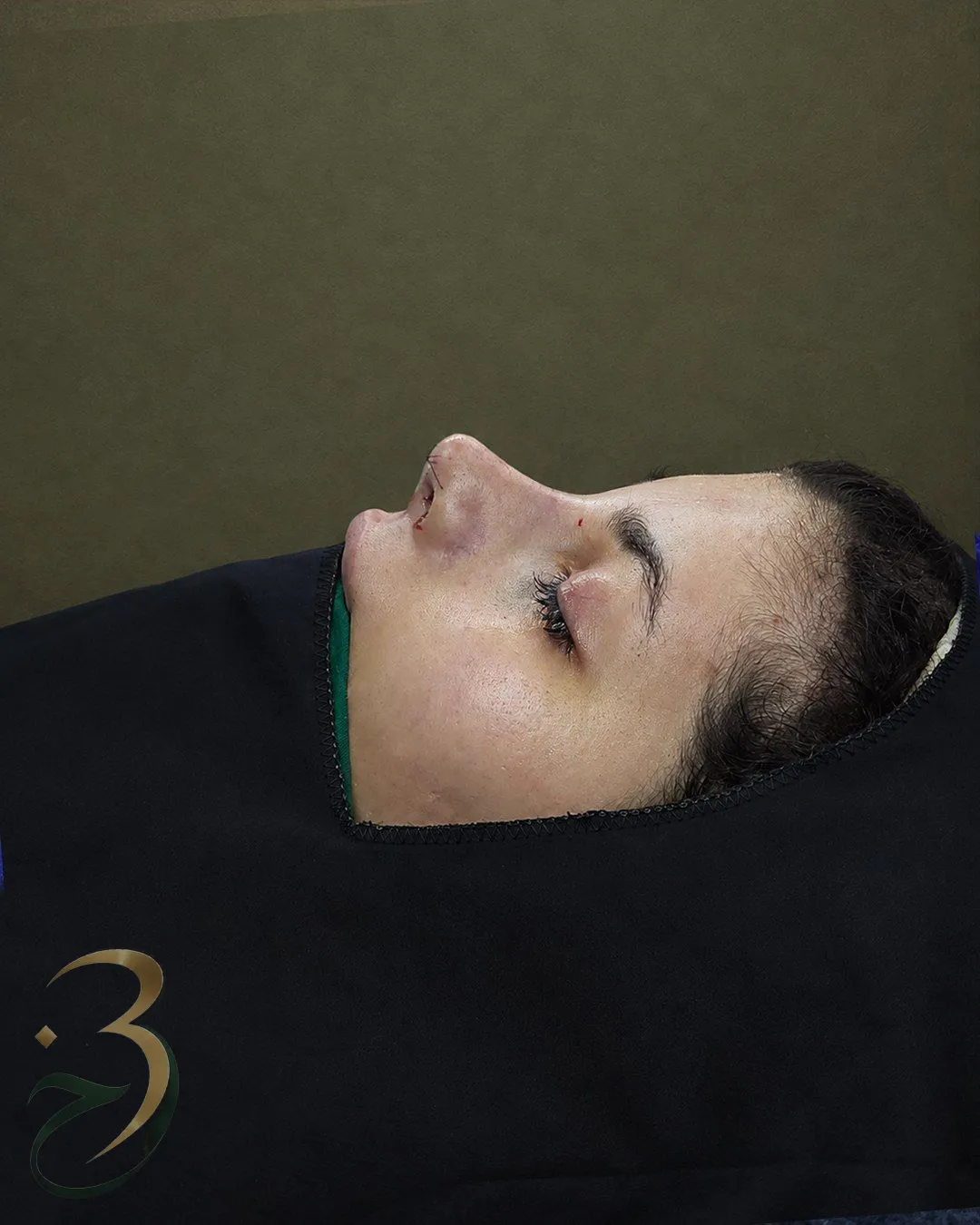
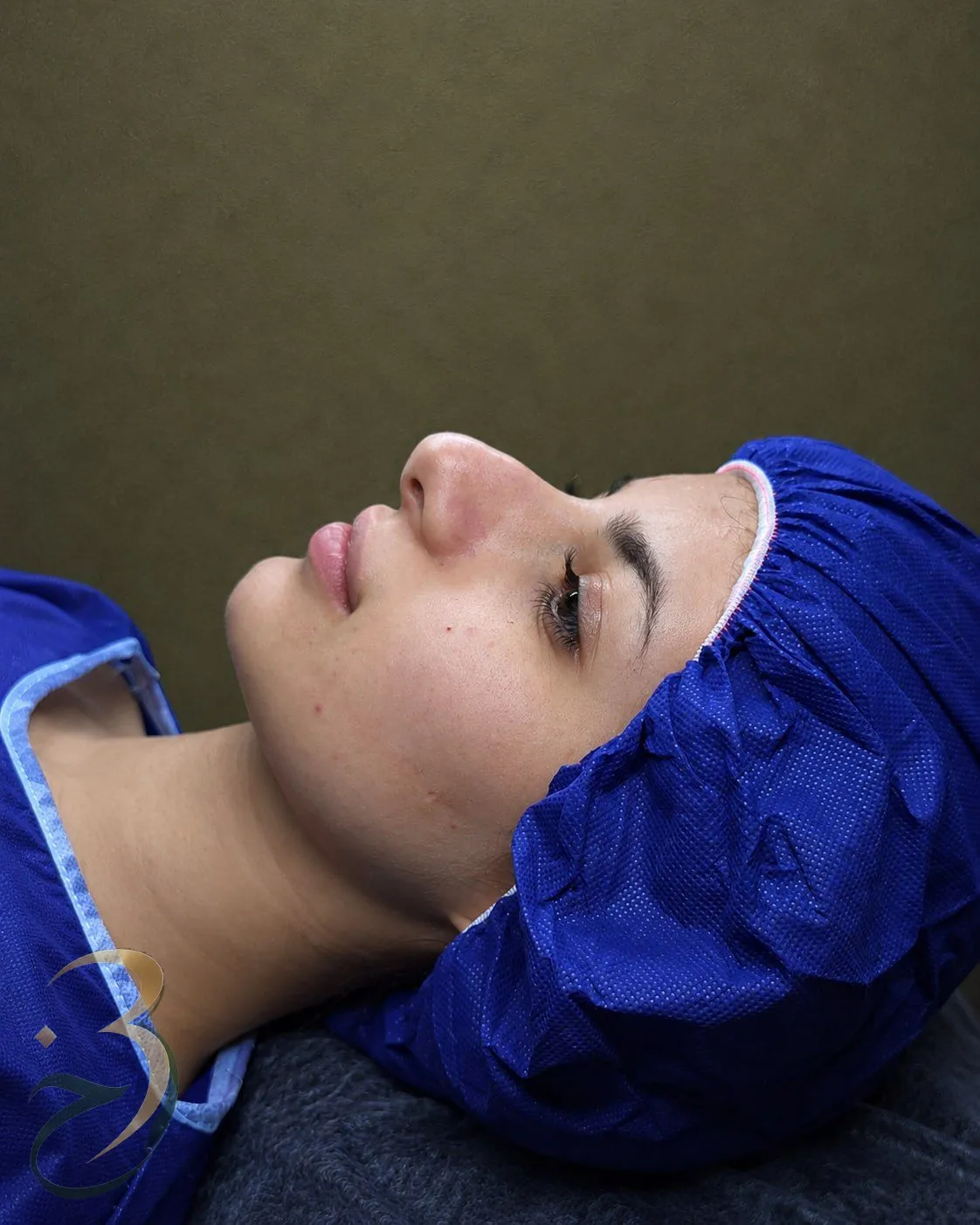
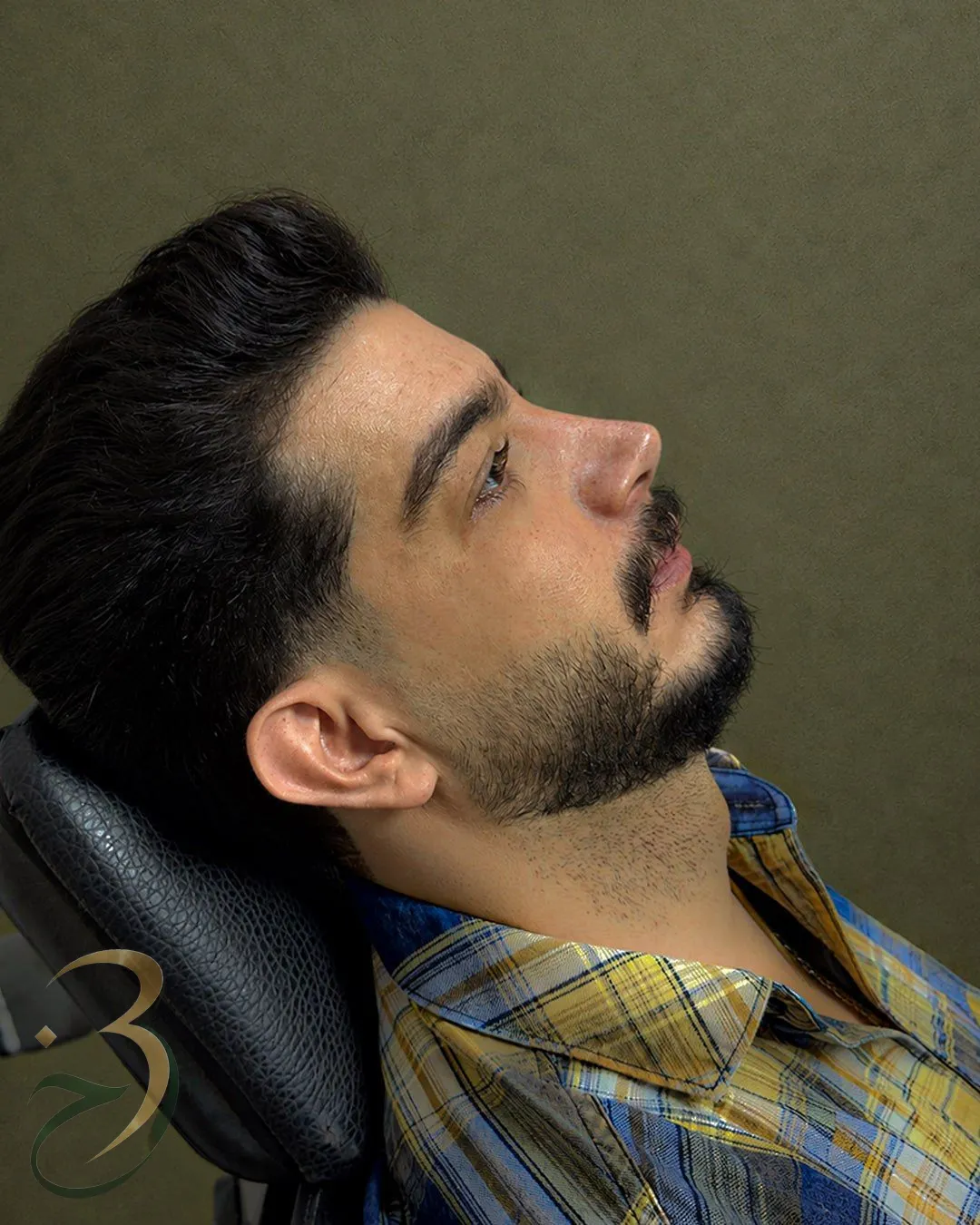
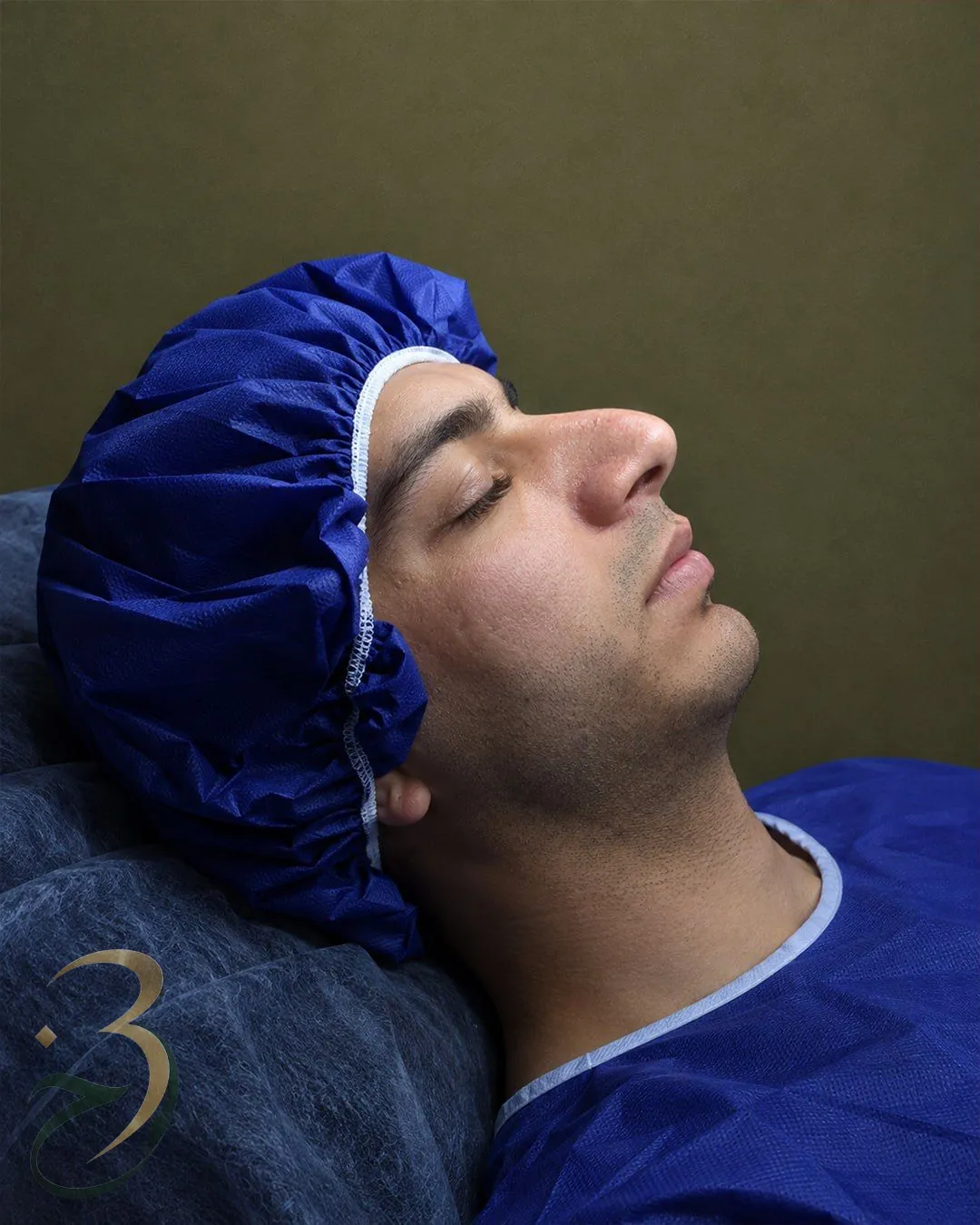
Before deciding on the basis of a number, look at the work. The images below are of real patients of this clinic, published with their consent:
All images are published with written patient consent and in line with privacy requirements.
When to see a doctor

An in-person consultation is necessary when:
- You have had previous nasal surgery (pricing is not possible without examination).
- You have a breathing problem alongside the aesthetic concern.
- You have a history of nasal trauma or fracture.
- You have an underlying condition or take medication that could affect surgery or anaesthesia.
- You are weighing two or three quotes and want to understand what actually differs between them.
Choosing a surgeon is a decision that stays with you for years; it is worth one appointment. Both surgeons' full profiles are in the doctors section, and further results are in the gallery.
Sources
Frequently asked questions
How much does rhinoplasty with Dr. Abolghasem Hashemi cost?
Primary rhinoplasty with Dr. Abolghasem Hashemi starts from about 68 million toman and revision rhinoplasty from about 130 million toman. Consumables (2 million toman), tests and post-operative medication are billed separately, and the final figure follows an examination of the nose. Figures reflect 1405 (2026).
How much does rhinoplasty cost in Tehran?
At the Se Rokh clinic, rhinoplasty starts between 58 and 68 million toman depending on the surgeon: Dr. Yousefian from 58 million and Dr. Hashemi from 68 million toman. These are starting figures; the final price follows an assessment of the nose and the real complexity of the operation. Figures reflect 1405 (2026).
What does that figure include?
The quoted figure covers all surgical and surgical-centre costs: the surgeon's fee, the operating room and surgical centre, anaesthesia and the anaesthesia team, and routine post-operative follow-up visits. Consumables, pre-operative tests, post-operative medication and the initial consultation visit are not included.
What is the consumables charge, and why is it separate?
A charge of 2 million toman for consumables is billed independently by the clinic and is not part of the surgical figure. Keeping it as its own line means you can see exactly what you are paying for, rather than having it absorbed into a single lump sum.
Which photos do I need to send for an accurate quote?
Four photographs: front view, right profile, left profile, and a base view angled so the nostrils are visible. They must be sharp, free of filters and retouching, and show the whole face in frame. Once received, your nose is assessed and you are guided from there.
Can a revision case be quoted from photos?
No. If you have already had nasal surgery, pricing requires an in-person examination, and the figure follows that examination based on how much reconstruction is needed. Remaining cartilage and the state of the scar tissue cannot be assessed from a photograph.
Why do the two surgeons quote differently? Does a higher price mean better?
The difference reflects training pathway, experience and the kind of cases each surgeon accepts — not theatre quality, since both operate in the same centre to the same standard. A higher fee alone does not guarantee a better outcome, and a lower one does not mean lesser quality; the right basis is the fit between a surgeon's expertise and your specific need.
Related services
Comments
No comments yet. Be the first to write one.
Related articles
Medications and Supplements to Stop Before Surgery: What, and How Many Days Before
Aspirin, herbal supplements, birth control pills, isotretinoin — which ones really need to stop, how many days before surgery, and which must never be stopped on your own, sourced from Mayo Clinic, Cleveland Clinic and an independent scientific review.
Read morePre-Rhinoplasty Tests: The List, the Timing, and How Long Results Stay Valid
Which tests you actually need, how many weeks before surgery to take them, how long each result stays valid — and what an abnormal value really changes.
Read moreCan You See Rhinoplasty Results Before Surgery? Simulation and Its Limits
What computer simulation before rhinoplasty actually shows, and why it can't guarantee the final result — based on clinical studies, not an app roundup.
Read moreDoes Insurance Cover Nose Surgery? Cosmetic vs. Medically Necessary, Explained
Insurers don't judge nose surgery by the result — they judge it by the documented medical reason behind it. When a case counts as therapeutic, when it's cosmetic, and how combined procedures get billed.
Read moreWhat Is Nasal Projection? A Map of Nasal Terms With Reference Numbers
Projection, dorsum, radix, columella and the nasolabial angle — the terms a surgeon uses in consultation, with reference ranges and an answer to why a nose can look more projected after surgery.
Read moreAnemia and Rhinoplasty: What Hemoglobin Level Cancels Surgery?
There is no single fixed, universal hemoglobin number that automatically cancels a rhinoplasty; the decision rests on how severe the anemia is, its cause, and symptoms. This article covers the real reference bands and the reasoning behind each decision, with sources.
Read more