

رینوپلاستی
Anemia and Rhinoplasty: What Hemoglobin Level Cancels Surgery?

Quick answer
There is no single global hemoglobin number that automatically cancels rhinoplasty for anemia. Mild anemia (roughly 10–12.9 g/dL) is usually workable without cancelling; below 10 needs the cause identified before the date is locked in, and below 8 nearly always needs real correction or evaluation before any elective surgery.
- Anemia definition (WHO)
- Below 13 (men) / 12 (women)
- Usually workable without cancelling
- Hemoglobin 10–12.9
- Cause must be found before locking date
- Hemoglobin below 10
- Related guide
- /blog/pre-rhinoplasty-tests
These are general guides — the final decision rests only on your actual test results and exam.
Key points
- There is no single fixed global hemoglobin number that automatically cancels rhinoplasty for anemia.
- Mild anemia around ten to thirteen is usually workable without cancelling the surgery.
- A hemoglobin below ten usually needs its cause investigated before the surgery date is locked in.
- The final decision is always shared between the surgeon and the anesthesiologist, based on your actual test results.
Is there a fixed hemoglobin number that cancels rhinoplasty?
No. No law or global guideline sets one fixed hemoglobin number that automatically cancels a rhinoplasty once it is reached. The decision is always individualized and weighs several things together: how severe the anemia is, its cause, the patient's symptoms, and the expected blood loss of that specific operation. That said, real reference bands do exist that surgeons and anesthesiologists weigh in this decision, and those bands are what this article covers.
This article is educational and does not replace your anesthesiologist's or surgeon's own assessment. The final call on whether further workup, treatment, or a timing change is needed rests only on your actual lab results and exam.
What anemia actually means
The reference definition used in surgical studies and by the World Health Organization is: hemoglobin below 13 g/dL in men and below 12 g/dL in non-pregnant women. The American Society of Hematology confirms a comparable figure. Anemia is not rare in surgical populations; a Cochrane review on managing anemia before non-cardiac surgery estimates that about 30% of adults undergoing non-cardiac surgery have preoperative anemia.
Why rhinoplasty is different from many other surgeries
Most of the existing research on anemia and surgical outcomes was done on major, cardiac, or higher-blood-loss surgery in older, sicker populations. For example, a meta-analysis in the British Journal of Surgery covering nearly a million patients found preoperative anemia linked to higher mortality and a greater need for blood transfusion — but the same authors stress that heterogeneity between the underlying studies was very high, and it is unclear whether anemia itself is an independent risk factor or simply a marker of underlying chronic disease.

Elective rhinoplasty is typically a lower-blood-loss operation, usually performed on a younger and healthier population than those studies. That means conclusions from major surgery cannot be applied one-to-one to rhinoplasty; the real risk for a young, healthy person with mild anemia undergoing a low-blood-loss operation like a nose job is usually much lower than the risk measured in those large studies.
The real bands that go into the decision
| Approximate hemoglobin range | Practical meaning |
|---|---|
| Above 13 (men) / 12 (women) | Within the normal range; anemia is not a concern |
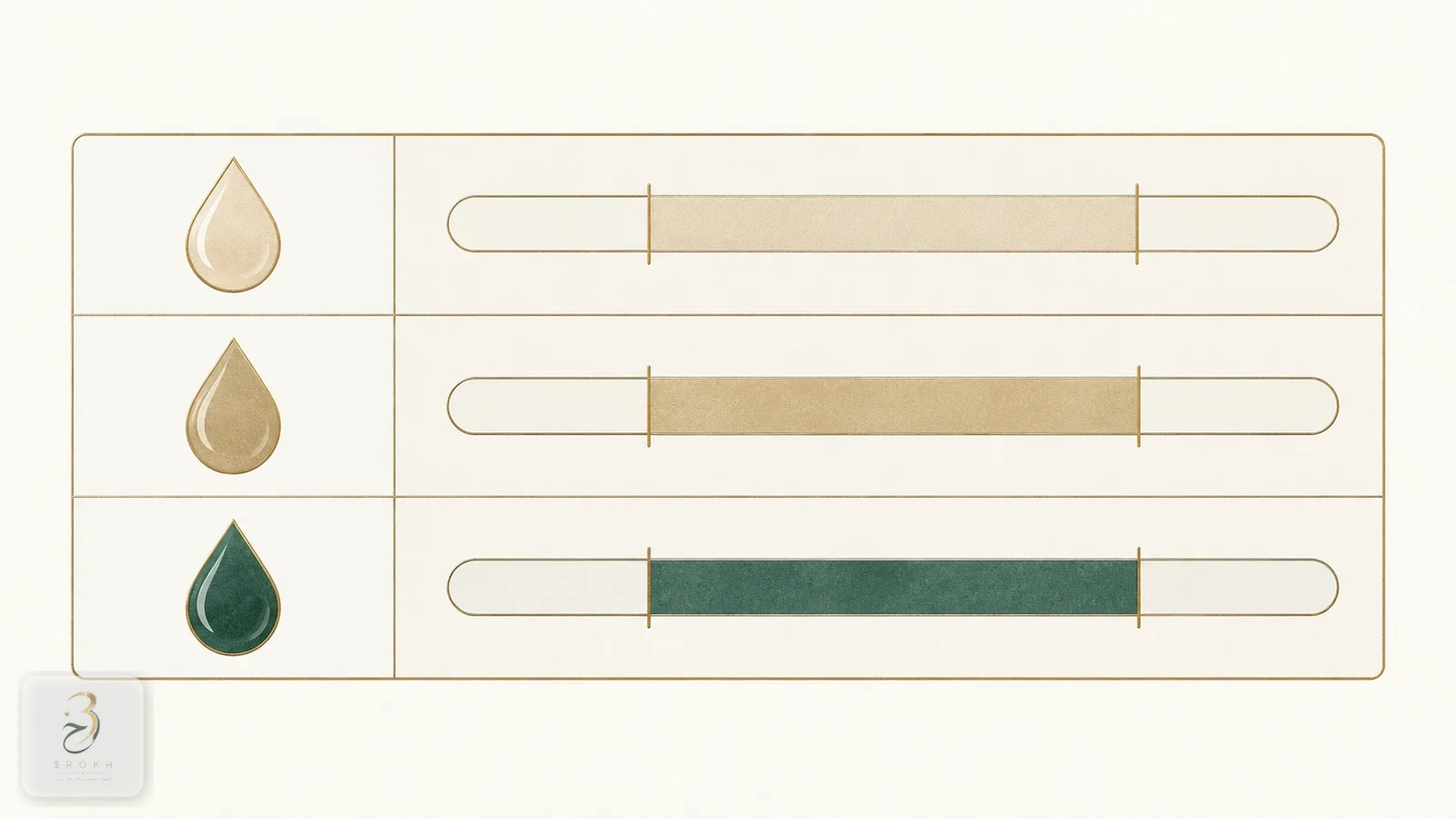
| 10–12.9 (men) / 10–11.9 (women) | Mild anemia; per American Society of Anesthesiologists (ASA) guidelines, transfusion is rarely needed at this level, and it is usually workable without cancelling surgery |
| Below 10 | Many preoperative patient blood management protocols treat this as the point where a cause needs to be identified and corrected before locking in a surgery date |
| Below 8 | A level that nearly all anesthesia guidelines treat as needing serious evaluation, and often correction or transfusion, before any elective surgery proceeds |
These are general guides, not a fixed formula. Per the ASA's own perioperative blood management guideline, red blood cell transfusion is rarely necessary when hemoglobin is above 10 g/dL — which is exactly why mild anemia alone, especially before a low-blood-loss operation like rhinoplasty, does not automatically mean high risk or the need to cancel.
What else, beyond the raw hemoglobin number, affects the decision
- The cause of the anemia. Iron deficiency, chronic bleeding, kidney disease, or another chronic condition each call for a different workup and treatment path.
- Clinical symptoms. Significant fatigue, palpitations, or shortness of breath with everyday activity can push toward more evaluation even at a hemoglobin level that is not especially low.
- Underlying cardiovascular disease. Per international preoperative blood management resources, for patients with cardiovascular disease, even levels above 8 g/dL may be considered more cautiously, since the body's ability to compensate for reduced oxygen delivery is lower.
- The type and length of the surgery. Rhinoplasty usually involves limited blood loss, which is exactly why the threshold for concern in it is lower than for high-blood-loss operations.

What happens if the anemia is mild
In most cases of mild anemia, especially when caused by iron deficiency, it can be assessed and treatment started within the usual two-to-four-week window before surgery, without cancelling the date. The surgeon or physician typically repeats a check-up test close to the surgery date to see how things have progressed. The full timing of these tests and how long results stay valid is covered in Pre-rhinoplasty tests: the list, the timing, and how long results stay valid.

What happens if the anemia is moderate to severe
When hemoglobin is noticeably below the mild range, the priority becomes finding the cause, not simply postponing the date. As the pre-rhinoplasty tests guide also notes, treating anemia before an elective surgery should be based on its cause; the very fact that rhinoplasty is elective is what creates the real opportunity to investigate and correct that cause — an opportunity an emergency operation does not have. In this situation, the surgery date is typically not locked in until the cause is identified and appropriate treatment has begun.

This decision is individual, not one rule for everyone
None of these bands should be read on their own, without considering age, symptoms, medical history, and the exact type of surgery, as a fixed rule. The final call is always a shared decision between the surgeon and the anesthesiologist, based on that specific person's actual lab results — not a general table.

If your test shows anemia, the best next step is a direct conversation with your physician about the likely cause and a realistic timeline, not comparing your own number to the bands in this article. That unhurried, honest conversation, more than any raw number, is what actually shapes your real path forward.

Sources
- World Health Organization — Anaemia (NLiS)
- Cochrane — Preoperative anaemia management before non-cardiac surgery
- British Journal of Surgery — Preoperative anaemia and outcomes (meta-analysis)
- American Society of Anesthesiologists — Practice Guidelines for Perioperative Blood Management
- American Society of Hematology — Anemia
Frequently asked questions
At what hemoglobin level is rhinoplasty definitely cancelled?
There is no fixed, universal number for this. Hemoglobin below 8 g/dL is treated by nearly all guidelines as needing serious evaluation and correction before any elective surgery, but the final call also depends on the anemia's cause, symptoms, and the anesthesiologist's judgment.
Does mild anemia cancel rhinoplasty?
Usually not. Mild anemia, especially from iron deficiency, can often be assessed and treated within the usual weeks-before-surgery window, without needing to cancel the date.
Why is rhinoplasty different from major surgery when it comes to anemia risk?
Because rhinoplasty usually involves limited blood loss and is performed on a younger, healthier population; most of the research on anemia risk comes from larger, higher-blood-loss surgery.
What happens if a test shows moderate to severe anemia?
The priority becomes finding the cause of the anemia, not just postponing the date. The surgery date typically is not locked in until the cause is identified and appropriate treatment has started.
Related services
Comments
No comments yet. Be the first to write one.
Related articles
Pre-Rhinoplasty Tests: The List, the Timing, and How Long Results Stay Valid
Which tests you actually need, how many weeks before surgery to take them, how long each result stays valid — and what an abnormal value really changes.
Read moreThe Hidden Costs of Rhinoplasty: Anesthesia, Facility, Tests, and Follow-Up Visits
A clinic's "starting from" figure usually covers only the surgeon's fee and the operating room. Four other line items — anesthesia, the facility, tests, and extra follow-up visits — may be billed separately; here is what to ask before you commit.
Read moreRevision Rhinoplasty: What It Can Fix, What It Cannot, and When You Actually Need It
Not every disappointment after a nose job needs a second operation. A map of the real post-rhinoplasty problems and their causes, the non-surgical options, and the situations where revision surgery is the wrong answer.
Read moreWhat Is Nasal Projection? A Map of Nasal Terms With Reference Numbers
Projection, dorsum, radix, columella and the nasolabial angle — the terms a surgeon uses in consultation, with reference ranges and an answer to why a nose can look more projected after surgery.
Read moreMedications and Supplements to Stop Before Surgery: What, and How Many Days Before
Aspirin, herbal supplements, birth control pills, isotretinoin — which ones really need to stop, how many days before surgery, and which must never be stopped on your own, sourced from Mayo Clinic, Cleveland Clinic and an independent scientific review.
Read moreRhinoplasty Cost in Tehran: Dr. Hashemi's and Dr. Yousefian's Starting Prices
Rhinoplasty at Se Rokh starts between 58 and 68 million toman — but what matters more than the number is what sits inside it and what is billed separately. Each surgeon's starting figure, the exact boundary of the quote, and what to send for an accurate price.
Read more