

رینوپلاستی
Pre-Rhinoplasty Tests: The List, the Timing, and How Long Results Stay Valid

Quick answer
For a healthy adult the baseline panel is usually a complete blood count, coagulation studies, fasting glucose, urinalysis and — for women of childbearing age — a pregnancy test. ECG, chest X-ray and further work-up are added only for age or existing conditions. Most centres accept routine blood results for about a month.
- Best time to test
- About 2–4 weeks before surgery
- Blood test validity
- Usually around one month, set by the centre
- Pregnancy test
- Separately, within days of surgery
- Fasting
- Needed for glucose and lipids, usually not for CBC
- Service page
- /services/rhinoplasty
Your final list is set by your surgeon and anaesthetist based on your medical history.
Key points
- For a healthy adult, the baseline pre-rhinoplasty panel is usually a complete blood count, coagulation studies, fasting glucose and urinalysis.
- The best time to take blood tests is about two to four weeks before surgery, leaving room to correct any problem that is found.
- Most surgical centres accept routine blood results for roughly one month, so a delay of several months usually means repeating them.
- Most borderline abnormal results do not cancel the operation; they change the preparation rather than the plan.
- A history of heart disease does not by itself rule out elective nose surgery; what changes the decision is whether the condition limits the person's daily activity.
- Per a Cochrane review, about thirty per cent of adults undergoing non-cardiac surgery are anaemic before the operation, and guidance recommends treating according to the cause of the anaemia.
What tests do you actually need before rhinoplasty?
For a healthy adult with no known medical conditions and no regular medication, the pre-rhinoplasty test list is usually shorter than the internet suggests: a complete blood count, coagulation studies, a fasting glucose, and — for women of childbearing age — a pregnancy test. Everything else gets added based on your age, existing conditions, medications and the type of anaesthesia planned. This article is educational and does not replace the written instructions of your surgeon and anaesthetist, who decide your final list.
The part most articles skip is that lab results expire. A panel drawn three months ago may no longer be accepted, and a panel drawn far too early often has to be repeated and paid for twice. This guide covers all three questions together: which tests, when to take them, and how long each stays valid.
Why the anaesthetist and the surgeon need these numbers

Cosmetic nasal surgery is medically an elective, moderate-risk procedure. Patients are usually young and well, significant blood loss is not expected, and most people go home the same day or the next morning. Even so, two clinicians need baseline information about your body:
- The anaesthetist, who must know your heart, lungs, kidneys and liver can tolerate anaesthetic drugs and several hours of controlled sleep.
- The surgeon, who must know your blood clots normally, that you are not anaemic, and that you have no active infection.
Testing rules things out — it is not a general health check
This is the most common misunderstanding. Preoperative testing is not a wellness screen and is not designed to discover hidden disease. Its job is to exclude a small number of specific, dangerous possibilities.
That is why the UK's NICE guideline on routine preoperative tests for elective surgery bases test selection on the patient's physical status and the grade of surgery rather than on a fixed list for everyone. Unnecessary tests do not add safety; a borderline, meaningless result can trigger further testing, anxiety and avoidable delay. So if your surgeon hands you a short list, that may be exactly what international guidance recommends.
The baseline panel most centres request
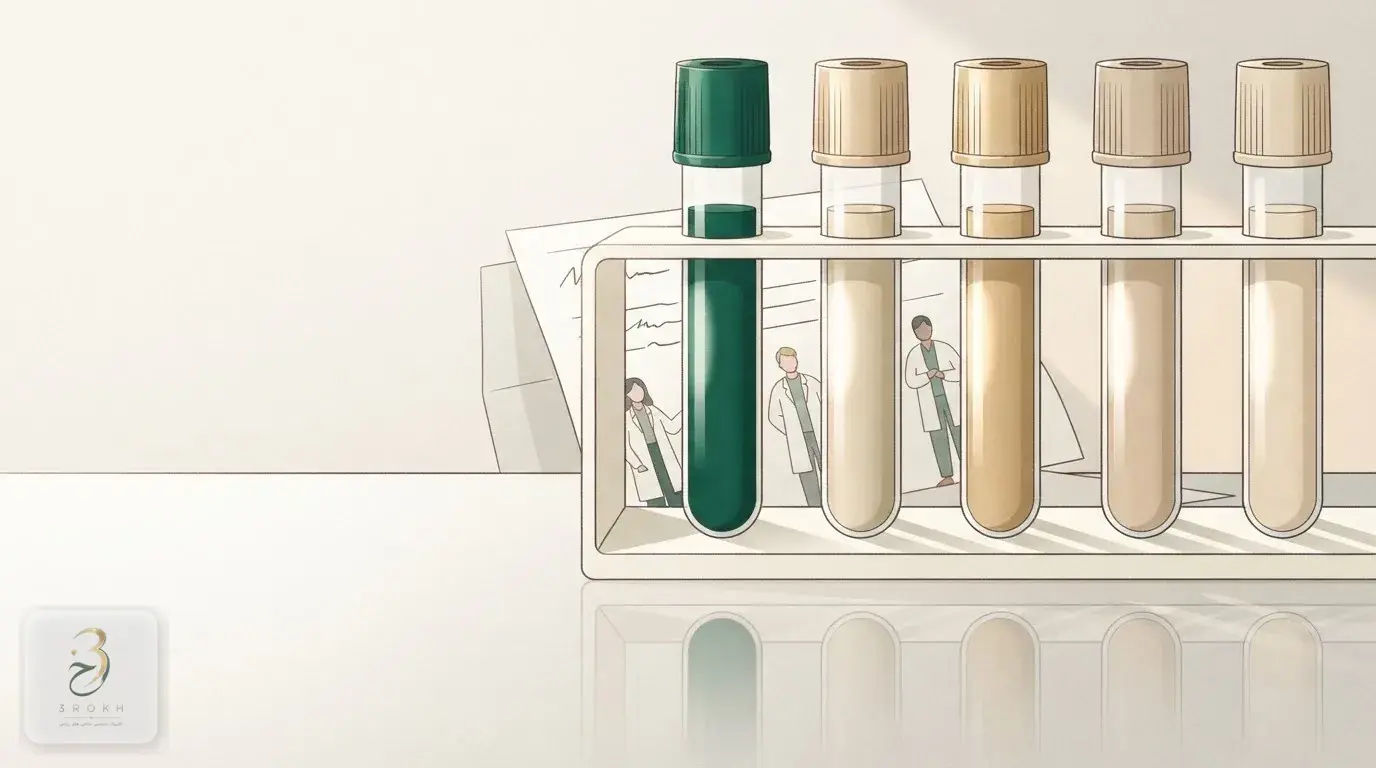
- Complete blood count (CBC): haemoglobin and haematocrit show whether you are anaemic; white cells hint at active infection; platelets matter directly for controlling bleeding during surgery. The nose is richly vascularised, so this is not a formality.
- Coagulation studies (PT, PTT, INR): these measure how long your blood takes to clot and can reveal an inherited clotting disorder or the effect of blood-thinning medication.
- Fasting blood glucose: poorly controlled glucose slows wound healing and raises infection risk. Known diabetics are usually also asked for HbA1c, which reflects average control over the previous two to three months.
- Kidney and liver function: most anaesthetic agents and post-operative painkillers are cleared through these organs, so dosing depends on how well they work.
- Urinalysis: an active urinary infection is a common and legitimate reason to postpone elective surgery.
- Pregnancy test: general anaesthesia carries risk in pregnancy, and rhinoplasty is never urgent enough to justify that risk.
If you have a personal or family history of unusual bruising, heavy nosebleeds or prolonged bleeding after a dental extraction, say so at the consultation. That history is sometimes more informative than the numbers themselves.
Tests that only some patients need
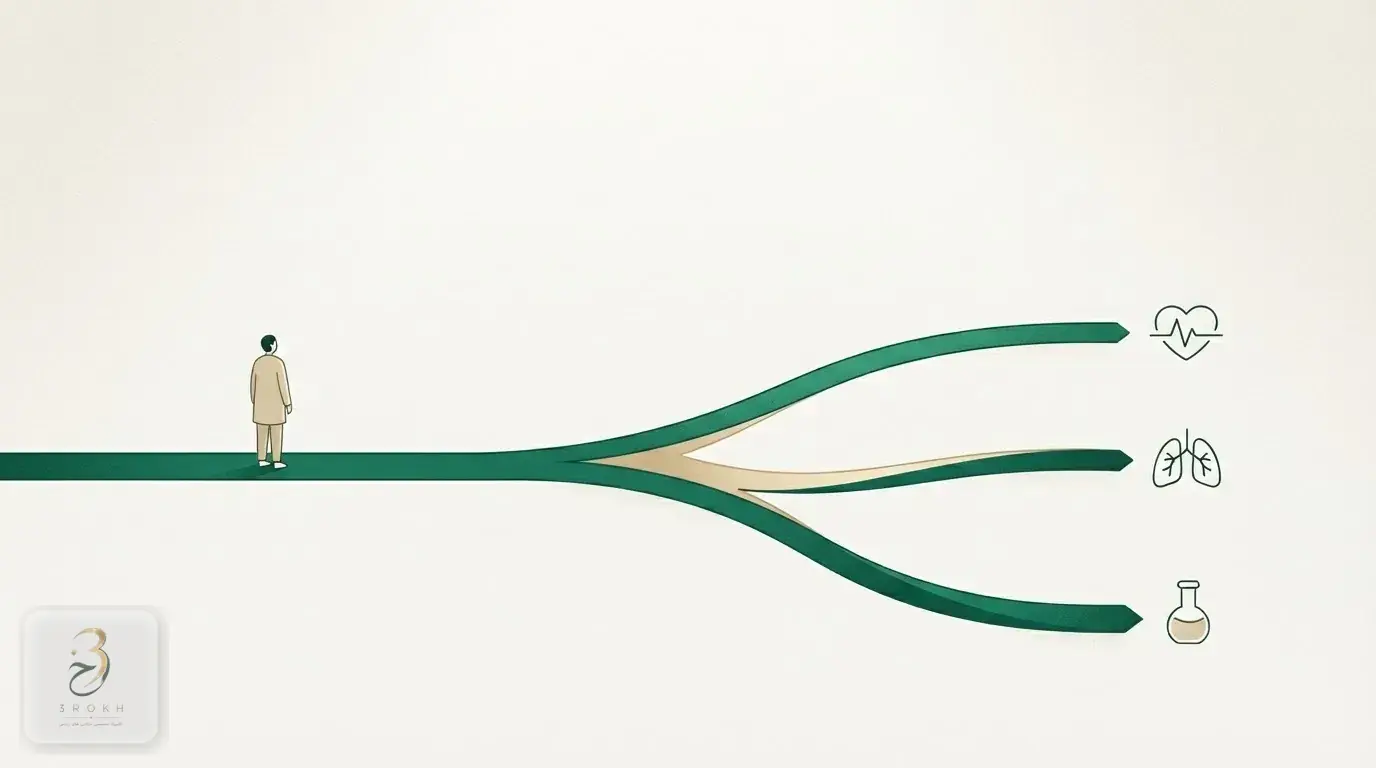
This is where generic online lists mislead people. None of the following is routine.
- ECG: commonly requested from roughly the age of forty, or at any age with known heart disease, hypertension, long-standing diabetes, palpitations or breathlessness on exertion.
- Chest X-ray: not routine. Reserved for chronic lung disease, heavy smokers, or a suspicious finding on examination.
- Echocardiogram or cardiology review: only when the ECG or the physical examination raises a question.
- Sinus CT: not a blood test, but frequently asked about. If your operation has a functional component — a deviated septum, chronic sinusitis, polyps — imaging helps the surgeon plan the inside of the nose. For septoplasty it is often part of the decision, not an extra.
- Hepatitis B, hepatitis C and HIV screening: standard in many surgical centres, largely for operating-room infection-control protocols.
- Thyroid function: for known thyroid disease or suggestive symptoms, since it affects both heart rate under anaesthesia and tissue healing.
Anaemia and heart disease: a barrier to nose surgery, or just a longer test list?
Neither is, by itself, an absolute barrier to an elective nose operation. What actually changes is two things: which tests you are asked for, and whether your condition limits your daily activity. The NICE guideline bases the decision to order a test on the intersection of two axes — how major the surgery is and the patient's physical status — not on the name of a diagnosis.
The second axis is measured with the ASA classification. NICE sets out the definitions as: ASA 1, a normal healthy patient; ASA 2, a patient with mild systemic disease; ASA 3, a patient with severe systemic disease; and ASA 4, a patient with severe systemic disease that is a constant threat to life. The same document adds that UK anaesthetists often interpret these grades in terms of functional capacity: comorbidity that does not limit a person's activity (ASA 2) versus comorbidity that does (ASA 3). So "a history of heart disease" does not on its own set a grade — whether you can climb stairs with it does.
On the first axis, NICE divides operations into minor, intermediate, and major or complex, with examples for each. Rhinoplasty is not among the listed examples, but the closest listed ENT operation performed under general anaesthesia — tonsillectomy — sits in the intermediate grade. That grade's table shows what a cardiac history actually changes:
| Test | ASA 1 | ASA 2 | ASA 3 or ASA 4 |
|---|---|---|---|
| ECG | Not routinely | Consider for cardiovascular, renal or diabetes comorbidities | Yes |
| Full blood count | Not routinely | Not routinely | Consider for cardiovascular or renal disease if any symptoms not recently investigated |
| Kidney function | Not routinely | Consider in people at risk of acute kidney injury | Yes |
So the practical answer is this: controlled heart disease that does not limit activity usually adds an ECG to the list, not a cancellation. NICE is equally clear on echocardiography: do not offer it routinely, and consider it only if the person has a heart murmur together with a cardiac symptom (breathlessness, pre-syncope, syncope or chest pain) or signs or symptoms of heart failure — and before ordering the echo, do a resting ECG and discuss the findings with an anaesthetist.
Anaemia: why the haemoglobin number matters, and why the number alone is not enough
The reference definition of anaemia used in surgical studies is the World Health Organization's: haemoglobin below 13 g/dL in men and below 12 g/dL in non-pregnant women. It is not rare in surgical populations; the Cochrane review of treating anaemia before non-cardiac surgery estimates that roughly 30% of adults undergoing non-cardiac surgery have preoperative anaemia, and names renal disease, chronic disease and iron deficiency as the most common causes.
On outcomes, a meta-analysis in the British Journal of Surgery covering 24 studies and 949,445 patients found preoperative anaemia associated with increased mortality (odds ratio 2.90, 95% confidence interval 2.30 to 3.68), acute kidney injury (3.75), infection (1.93) and red cell transfusion (5.04). Two caveats have to travel with that finding, because without them it misleads:
- Heterogeneity between studies was very high, and the authors state explicitly that it remains unclear whether anaemia is an independent risk factor or simply a marker of underlying chronic disease. The association should not be read as cause and effect.
- These data come from general and largely more major surgical populations, not from elective cosmetic nasal surgery in a young, healthy patient. The figures above do not describe the size of your own risk.
The practical conclusion is the one international guidance gives, as cited in the Cochrane review: treatment of preoperative anaemia should be guided by its cause. For an elective operation that means the useful step is finding out why the haemoglobin is low — iron deficiency, chronic blood loss, renal disease or chronic illness — rather than simply pushing back the date. The very fact that nose surgery is elective creates room to investigate and correct the cause, room that emergency surgery does not have. None of this is a decision to make alone: what to investigate, whether treatment is needed and when to operate are set by your treating physician and anaesthesiologist from your actual results.
How long each result stays valid
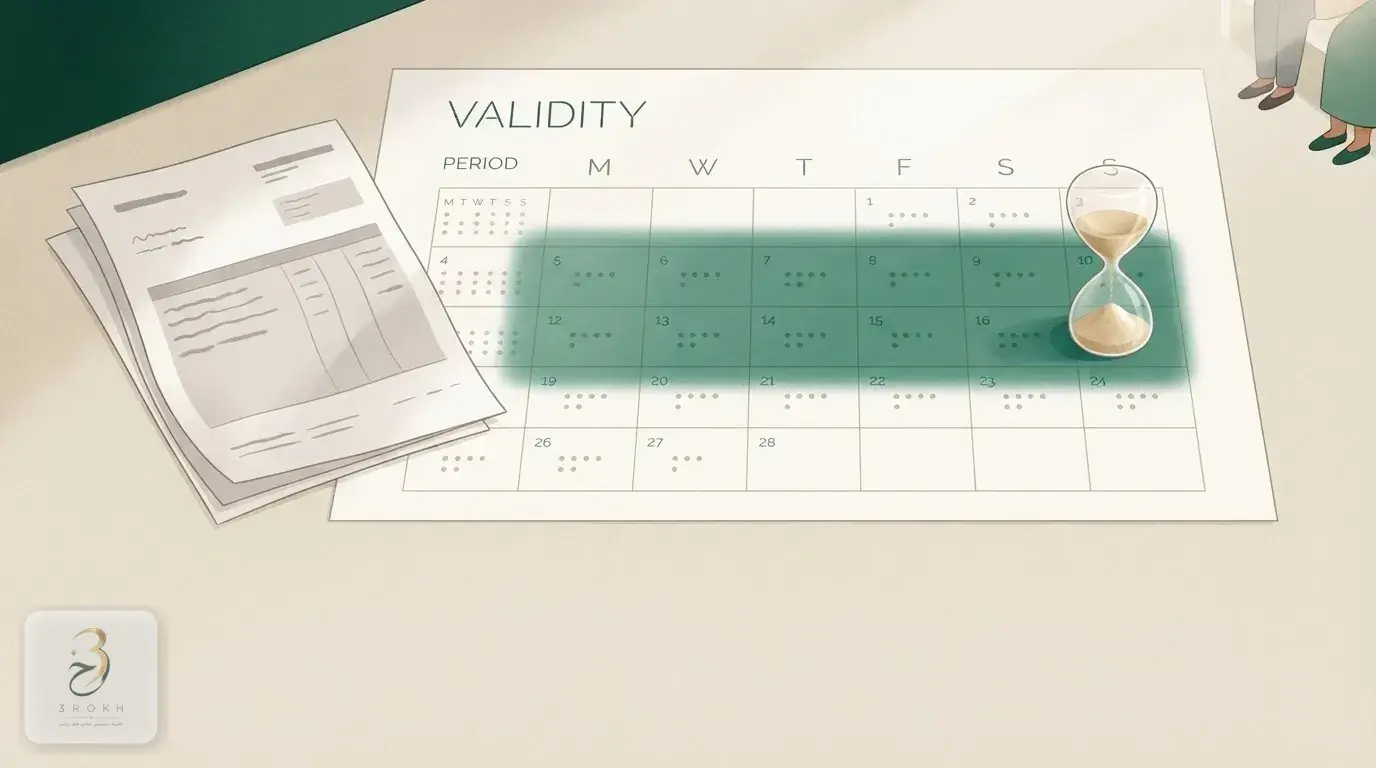
The general rule: the faster a value can change between the test and the operation, the shorter its validity window.
| Test type | Typical validity window |
|---|---|
| Routine bloods (CBC, coagulation, glucose, kidney and liver) | Up to about a month old; sometimes longer for a completely healthy patient, at the centre's discretion |
| Pregnancy test | Within days of surgery — the shortest window of all |
| ECG | Several months, in a stable patient with no new symptoms |
| Chest X-ray and sinus CT | Longer windows; anatomy does not change that quickly |
Three practical points that save money and time:
- Tell the clinic if your surgery date moves. A two- or three-week delay is usually fine; a delay of several months almost always means repeating part of the panel.
- Any medical event between the test and surgery undermines the result — a bad flu, a new medication, another operation, a pregnancy. The old number no longer describes you.
- Keep the original reports and bring them on the day, along with a written list of your medications.
Timing: when to book the tests

The sweet spot is early enough that problems can still be fixed, late enough that results are still valid.
- About two to four weeks before surgery: blood and urine tests. If something turns up — mild anaemia, for example — this gap is usually enough to treat it and recheck without cancelling.
- Around the same time: ECG and any specialist review your surgeon wants. A cardiology or internal medicine opinion takes days to arrange; starting late is what pushes surgery dates back.
- A few days before surgery: the pregnancy test and anything your surgeon wants freshly drawn.
Testing months in advance, at the very first consultation, usually backfires: results expire before the date is set.
Preparation: fasting, medication and supplements

- Fasting is not required for everything. Fasting glucose and lipids need eight to twelve hours; CBC, coagulation studies, pregnancy test and urinalysis generally do not. Because samples are usually drawn together, labs simply ask you to come fasted for the whole set.
- Water is allowed. Fasting means no food, not dehydration, and being well hydrated makes the blood draw easier. Follow whatever your laboratory specifies.
- Do not stop regular medication on your own. Stopping blood pressure, thyroid or cardiac medication without advice can be more dangerous than the surgery. Ask which tablets to take on the morning of the test.
- Blood thinners and anti-inflammatories — aspirin, NSAIDs, anticoagulants — must be adjusted on a schedule set by your doctor, never by you.
- Supplements count. Fish oil, vitamin E, high-dose garlic, ginkgo and ginseng are all known to increase bleeding tendency. "Herbal" does not mean inert; list everything.
- Smoking reduces tissue oxygenation and slows healing of the nasal skin. Any period of cessation before surgery helps; your surgeon will set the target.
- Alcohol and heavy exercise can temporarily shift some results, including liver enzymes. Avoid both for a day or two before the draw.
An abnormal result — does surgery get cancelled?

Usually not. Most borderline results change the preparation, not the plan.
- Often correctable without cancelling: mild iron-deficiency anaemia, a slightly raised glucose in someone without diagnosed diabetes, a vitamin deficiency. Short treatment plus a repeat test typically resolves these.
- Usually a short postponement: an active urinary or respiratory infection, or an unexplained raised white cell count. These are treated first, then surgery proceeds.
- Needs proper investigation before any date is fixed: a clear coagulation abnormality, severe anaemia, an abnormal ECG, or significant kidney or liver dysfunction.
None of these means you can never have surgery. In elective procedures, postponement is a safety tool, not a failure. If you want to know what follows the operation itself, our week-by-week rhinoplasty recovery guide walks through the healing timeline.
What is different for septoplasty and revision surgery
The baseline panel for cosmetic rhinoplasty, septoplasty and revision surgery is broadly the same, with a few practical differences:
- Functional nasal surgery leans more on imaging, because the goal is inside the nose rather than on its surface.
- Revision rhinoplasty places as much weight on your previous operative report as on any lab value: what was done, what cartilage was used, and — if rib or ear cartilage is planned — an assessment of that donor site. Revision cases usually run longer, and longer anaesthesia means a slightly stricter preoperative assessment.
- Patients travelling from another city or country should have tests done at home within the accepted window and bring the originals, but should confirm the required list and accepted validity period with the clinic before booking travel.
When to speak to your doctor
Raise all of the following before surgery, without editing them down:
- Any personal or family history of abnormal bleeding, easy bruising, or prolonged bleeding after dental work.
- Any cardiac, pulmonary, renal, hepatic, thyroid or diabetic condition — even if well controlled.
- Every medication, supplement and herbal product, with names and doses.
- Any previous bad reaction to anaesthesia, in you or a first-degree relative.
- Any possibility of pregnancy, however small.
After testing, call the clinic before travelling in if you develop a fever, a significant infection or any meaningful change in health. To get a list tailored to your own history, you can book a consultation appointment.
Where to get tested: lab or at home?
Both options are equally valid — the choice comes down to convenience, not accuracy. If you'd rather skip the lab queue in the busy days before surgery, you can have your blood drawn at home instead, a service Karen Darman offers with fast dispatch across Tehran. Se Rokh patients get up to 300,000 Tomans off — just mention you're a Se Rokh patient when you get in touch (their site and phone line are Persian-only, so our reception team can also arrange it on your behalf). Karen Darman is an independent company, not part of Se Rokh; we simply recommend it for patients' convenience. Wherever the sample is drawn, the same validity and timing rules above still apply.
Sources
- NICE — Routine preoperative tests for elective surgery (NG45)
- MedlinePlus — Complete Blood Count (CBC)
- MedlinePlus — Prothrombin Time Test and INR (PT/INR)
- MedlinePlus — Blood Glucose Test
- Cleveland Clinic — Complete Blood Count (CBC)
- WHO — Anaemia fact sheet
- Fowler AJ et al. — Meta-analysis of the Association between Preoperative Anaemia and Mortality after Surgery, Br J Surg 2015
- Kaufner L et al. — Erythropoietin plus Iron for Preoperative Anaemic Adults Undergoing Non-cardiac Surgery, Cochrane Database Syst Rev 2020
- Thompson A et al. — 2024 AHA/ACC Guideline for Perioperative Cardiovascular Management for Noncardiac Surgery, Circulation 2024
- Mayo Clinic — Rhinoplasty
Frequently asked questions
Do I have to fast for pre-rhinoplasty blood tests?
Not for all of them. Fasting glucose and lipid panels need eight to twelve hours of fasting; a complete blood count, coagulation studies, pregnancy test and urinalysis generally do not. Because samples are usually drawn together, laboratories ask you to arrive fasted for the whole set. Plain water is normally allowed and makes the draw easier.
How long do the results stay valid?
The faster a value can change, the shorter its window. Many centres accept routine blood results for about a month; an ECG in a stable patient is generally considered valid for several months; imaging lasts longer because anatomy changes slowly. A pregnancy test has the shortest window and is repeated within days of surgery. The surgical centre sets the final rule.
How many weeks before surgery should I book the tests?
Usually about two to four weeks before the operation. That is early enough that a finding such as mild anaemia can be treated and rechecked without cancelling, and late enough that the results are still valid on the day. Testing months in advance usually ends in repeat tests and repeat costs.
Will anaemia stop me from having rhinoplasty?
Mild iron-deficiency anaemia is usually not a barrier and can be corrected with short treatment and a repeat test. Severe anaemia normally causes a postponement while the cause is investigated, because it reduces your body's reserve for tolerating blood loss during surgery. Your surgeon and anaesthetist make the final call.
Do I need to mention herbal supplements?
Yes. Fish oil, vitamin E, high-dose garlic, ginkgo and ginseng are all recognised for increasing bleeding tendency. 'Herbal' does not mean inert. List every supplement with its name and dose at the consultation so your doctor can tell you when to stop each one.
My surgery date moved — do I need new tests?
A two- or three-week delay is usually fine. A delay of several months almost always means repeating part of the panel. Independently of the calendar, any significant medical event between the test and surgery — an illness, a new medication, another operation, a pregnancy — means the old result no longer describes you and should be repeated.
Can I get the pre-op tests done at home?
Yes. If you'd rather skip the lab queue, you can have the sample drawn at home, with a discount for Se Rokh patients, through Karen Darman. See the section above on this page for details.
Does anaemia stop me having nose surgery?
Not on its own. The WHO reference definition is haemoglobin below 13 g/dL in men and below 12 g/dL in non-pregnant women, and a Cochrane review estimates about 30% of adults having non-cardiac surgery are anaemic. A meta-analysis of 949,445 patients linked anaemia to worse outcomes, but its authors stress it is unclear whether anaemia is an independent risk factor or a marker of underlying chronic disease. Guidance says treatment should be guided by the cause.
Can I have rhinoplasty with a history of heart disease?
A cardiac history alone is not a barrier; what matters is whether it limits your daily activity. For intermediate-grade surgery NICE says an ECG should be considered at ASA 2 with cardiovascular comorbidity and offered at ASA 3 or 4. Echocardiography is not routine and is considered only with a murmur plus a cardiac symptom, or signs or symptoms of heart failure.
Related services
Comments
No comments yet. Be the first to write one.
Related articles
Medications and Supplements to Stop Before Surgery: What, and How Many Days Before
Aspirin, herbal supplements, birth control pills, isotretinoin — which ones really need to stop, how many days before surgery, and which must never be stopped on your own, sourced from Mayo Clinic, Cleveland Clinic and an independent scientific review.
Read moreThe Hidden Costs of Rhinoplasty: Anesthesia, Facility, Tests, and Follow-Up Visits
A clinic's "starting from" figure usually covers only the surgeon's fee and the operating room. Four other line items — anesthesia, the facility, tests, and extra follow-up visits — may be billed separately; here is what to ask before you commit.
Read moreAnemia and Rhinoplasty: What Hemoglobin Level Cancels Surgery?
There is no single fixed, universal hemoglobin number that automatically cancels a rhinoplasty; the decision rests on how severe the anemia is, its cause, and symptoms. This article covers the real reference bands and the reasoning behind each decision, with sources.
Read moreRhinoplasty Cost in Tehran: Dr. Hashemi's and Dr. Yousefian's Starting Prices
Rhinoplasty at Se Rokh starts between 58 and 68 million toman — but what matters more than the number is what sits inside it and what is billed separately. Each surgeon's starting figure, the exact boundary of the quote, and what to send for an accurate price.
Read moreCan You See Rhinoplasty Results Before Surgery? Simulation and Its Limits
What computer simulation before rhinoplasty actually shows, and why it can't guarantee the final result — based on clinical studies, not an app roundup.
Read moreDoes Insurance Cover Nose Surgery? Cosmetic vs. Medically Necessary, Explained
Insurers don't judge nose surgery by the result — they judge it by the documented medical reason behind it. When a case counts as therapeutic, when it's cosmetic, and how combined procedures get billed.
Read more