
رینوپلاستی
Cost of Semi-Fantasy, Fantasy and Doll Rhinoplasty: Does the Chosen Shape Affect Price?
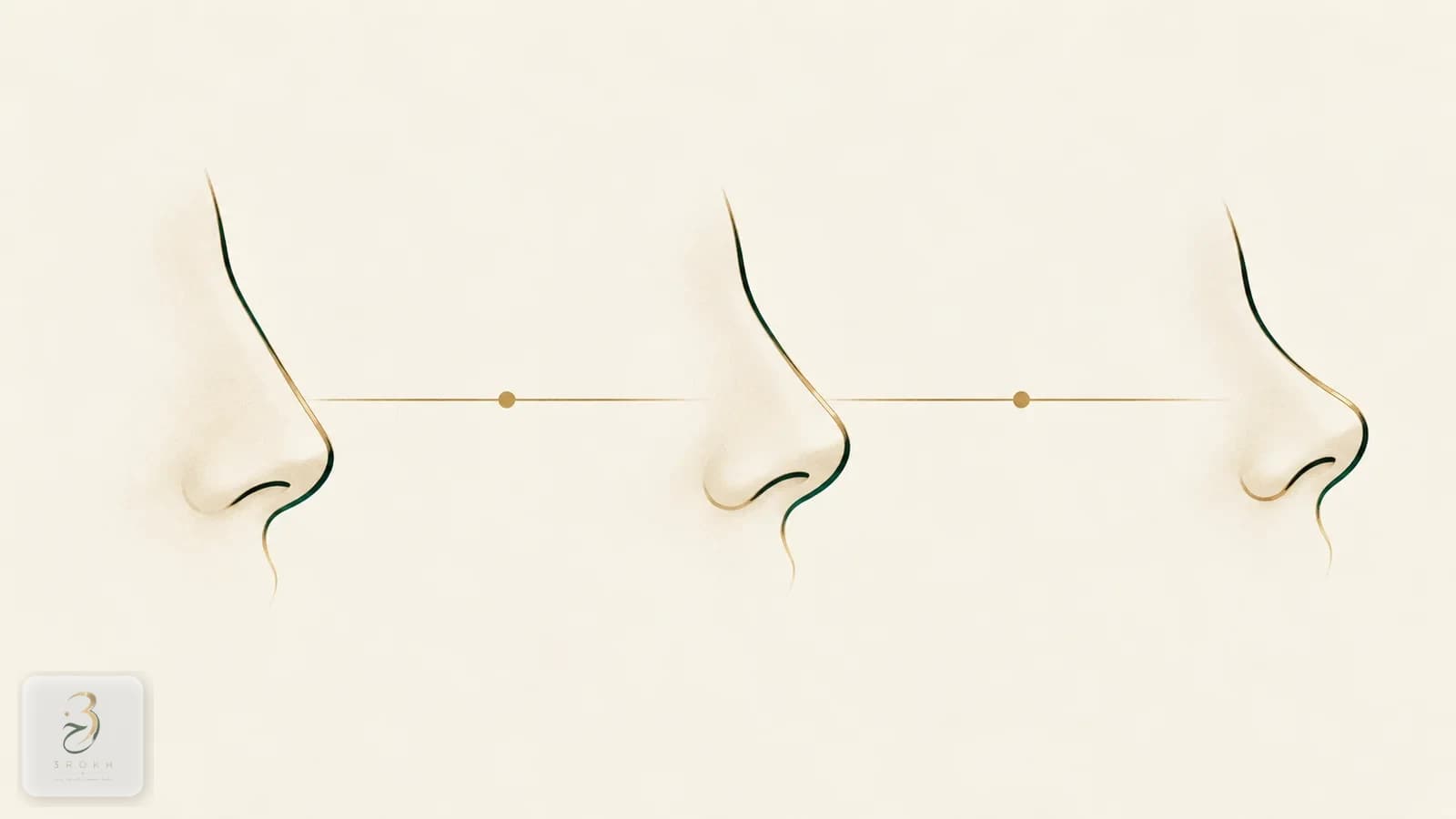
Quick answer
The name of the shape (semi-fantasy, fantasy, doll) does not by itself set the price; what matters is the amount and type of structural work on the tip, cartilage and skin, which changes operating time and complexity. A firm figure is given only after examination.
- What the names are
- Everyday terms, not a medical classification
- Factors that matter
- Tip rotation, cartilage, skin thickness, previous surgery
- Related guide
- /blog/rhinoplasty-cost-tehran
Consult with a specific picture, not just a name.
Key points
- The name of a nose shape does not by itself set the price of surgery.
- It is the amount of structural work on the tip, cartilage and skin that changes time and complexity.
- A firm rhinoplasty figure is given only after an in-person examination.
Does the chosen shape affect the cost of semi-fantasy, fantasy or "doll" rhinoplasty?
The name of the shape does not by itself set the price; what changes operating time and complexity is the amount and type of structural work needed to reach that shape, and a firm figure is given only after your nose, skin and cartilage are examined. "Semi-fantasy", "fantasy" and "doll" nose are everyday terms among patients, salons and social media, not a medical classification — so there is no standard price table for them.
This article is educational. It explains what these terms usually describe, which real factors affect the surgeon's work, and why a more dramatic shape does not simply mean the same operation at a different price. For the surgeons' starting figures, see the article on rhinoplasty cost in Tehran.
What these names actually mean
In practice, these names describe a spectrum of the nasal tip, from a natural, slightly raised tip ("semi-fantasy") to a more rotated tip with more visible nostrils ("fantasy" and "doll"). But they have no precise boundary, and each center and patient means something different by them; two people who both want "fantasy" may picture two completely different noses.

That is why the best approach is to show the surgeon a specific picture or example rather than rely on a name. Ideals of nasal beauty also differ across cultures and generations; a recent systematic review of nasal aesthetic preferences across populations shows exactly this and stresses that the evidence is fragmented.
What really affects the work and the cost

- How much the tip is rotated or shortened: the greater the change, the more structural support is usually needed to keep the tip in its new shape.
- Available cartilage: supporting the tip sometimes needs cartilage — from the septum, ear or rib. Harvesting extra cartilage adds time and complexity.
- Skin thickness and elasticity: thicker skin is harder to shape at the tip and swelling settles later.
- A breathing problem or deviated septum alongside: if function must be corrected as well as appearance, the scope of work is larger.
- Previous surgery on the nose: a revision case is priced separately.
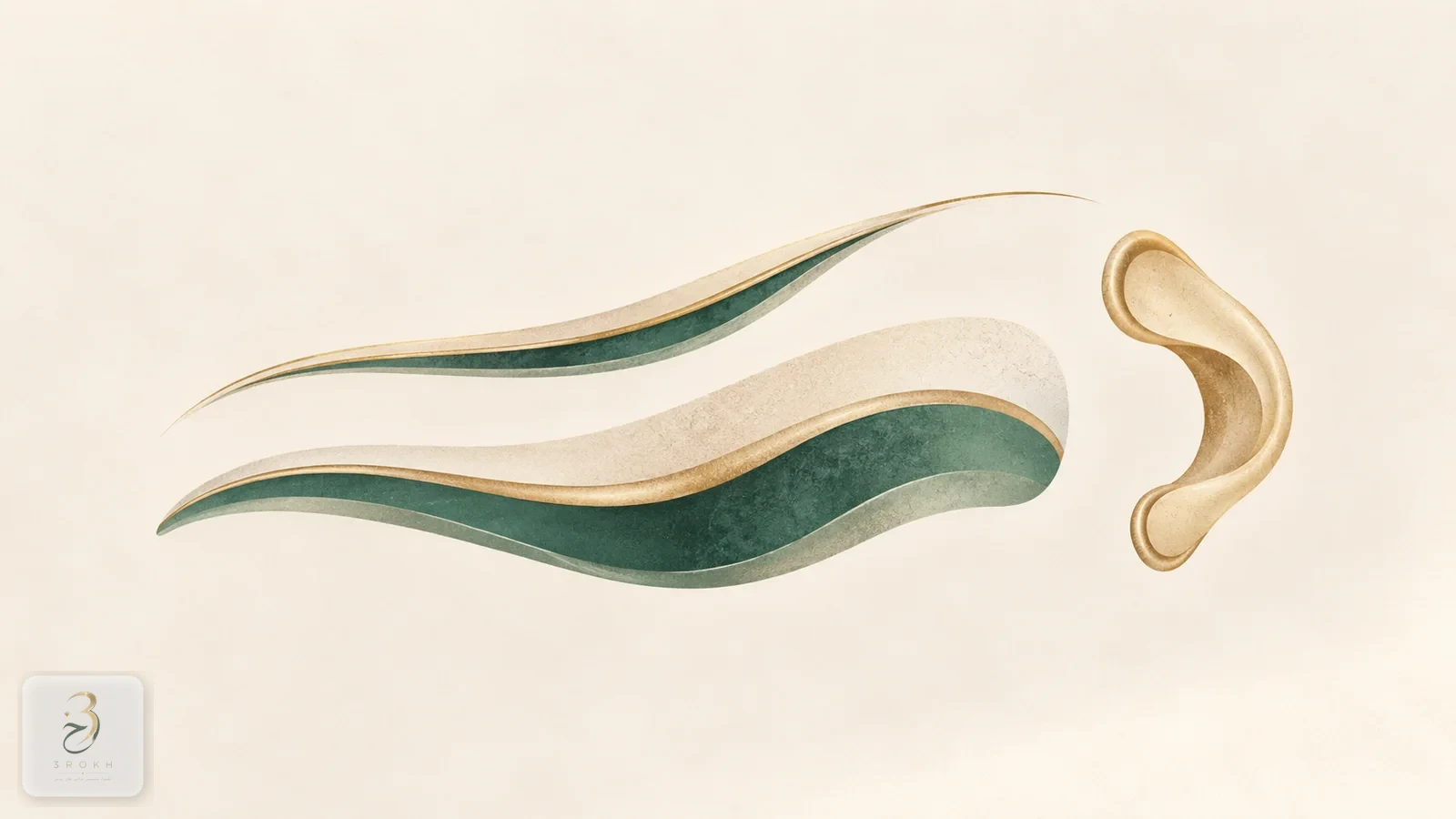
Studies on short-nose correction in Asian rhinoplasty say this is hard in terms of long-term tip stability because of weaker septal cartilage, thicker skin envelopes and strong post-operative contractile forces, and some surgeons therefore combine supporting grafts. These are results of specific operations in a specific population and should not be applied directly to every patient, but they show why a "more dramatic shape" does not mean a simpler or shorter operation.
Is it necessarily more expensive?
No. Some patients ask for a shape called "fantasy" that is in fact a mild change in tip rotation; some ask for "semi-fantasy" while their nose has greater structural complexity. The final figure should come from the real complexity of the operation, not from the name. A surgeon who quotes from the name alone will either change the figure later or shift the risk onto you. You can see this logic in the section "why the final figure is given only after examining the nose" of the article on rhinoplasty cost in Tehran.
Durability and natural look

A strongly rotated tip can change over time with skin tension and scar tissue. Long-term stability is one of the main challenges in tip surgery, so many surgeons recommend a change proportionate to the nose's real structure over an extreme shape. If the later result is not what you wanted, the way out is revision surgery, which is usually harder and more expensive than the primary one; see the article on revision rhinoplasty cost.
Harmony with the whole face

The nose is part of the face. The proportions of forehead, nose and chin, upper-lip length and the size of the eyes all play into whether a shape looks "natural". A shape that looks good in someone else's picture may look out of balance on your face. For nasal proportions see the article on nasal projection anatomy.
What to ask before you decide

- How do you compare my desired shape with the real structure of my nose?
- Where would cartilage be taken from for this shape?
- What is the risk that the tip will not hold, and how is it corrected?
- If the final shape differs from my picture, what are the terms?
- What does the quote include?
A reminder: simulation is not a guarantee either; its details are in the article on simulating rhinoplasty results.
When to speak to a doctor
- When you describe your target only with a name and have no precise picture.
- When you have thick skin, a short nose or previous surgery.
- When you have a breathing problem alongside the appearance concern.
For a consultation you can book an appointment; the rhinoplasty page also explains the scope of work.
Sources
- Nasal Aesthetic Preferences Across Populations: A Systematic Review of Cultural, Ethnic, and Generational Trends (2026)
- Efficacy of Combined Septal Extension and Derotation Grafts in Asian Rhinoplasty (2026)
- A Comparative Study of Septal Extension Graft versus Derotation Graft for Short Nose Correction in Asian Rhinoplasty (2025)
Frequently asked questions
Is a fantasy nose more expensive than a semi-fantasy one?
The name alone does not decide. If a more dramatic shape needs more structural support and cartilage, time and complexity rise; a firm figure comes after examination.
Is "doll nose" a medical term?
No. It is an everyday term with no precise boundary; it is better to show your surgeon a specific picture.
Can a strongly rotated tip change over time?
It may; long-term tip stability is one of the main challenges of tip surgery and relates to skin tension and scarring.
What if I do not like the result?
The way out is revision surgery, which is usually harder and more expensive than the primary one; ask about the terms before surgery.
Related services
Comments
No comments yet. Be the first to write one.
Related articles
What Is Nasal Projection? A Map of Nasal Terms With Reference Numbers
Projection, dorsum, radix, columella and the nasolabial angle — the terms a surgeon uses in consultation, with reference ranges and an answer to why a nose can look more projected after surgery.
Read moreThyroid Disease and Anaesthesia Before Rhinoplasty: When Is It Actually Risky?
Hypo- and hyperthyroidism don't rule out rhinoplasty, but they do affect anaesthesia. The real reference TSH number, the difference between thyroid storm and myxedema coma, and whether to take your medication on surgery day.
Read moreRevision Rhinoplasty: What It Can Fix, What It Cannot, and When You Actually Need It
Not every disappointment after a nose job needs a second operation. A map of the real post-rhinoplasty problems and their causes, the non-surgical options, and the situations where revision surgery is the wrong answer.
Read moreRhinoplasty Cost in Tehran: Dr. Hashemi's and Dr. Yousefian's Starting Prices
Rhinoplasty at Se Rokh starts between 58 and 68 million toman — but what matters more than the number is what sits inside it and what is billed separately. Each surgeon's starting figure, the exact boundary of the quote, and what to send for an accurate price.
Read moreCan You See Rhinoplasty Results Before Surgery? Simulation and Its Limits
What computer simulation before rhinoplasty actually shows, and why it can't guarantee the final result — based on clinical studies, not an app roundup.
Read moreWhat Is Preservation Rhinoplasty, and How Is It Different from the Classic Technique?
Preservation rhinoplasty lowers the entire dorsal complex as one unit instead of shaving down the hump. This article explains the technical difference from the classic technique, the pushdown and letdown sub-methods, and who is a realistic candidate for each, with scientific sourcing.
Read more