رینوپلاستی
Thyroid Disease and Anaesthesia Before Rhinoplasty: When Is It Actually Risky?
Quick answer
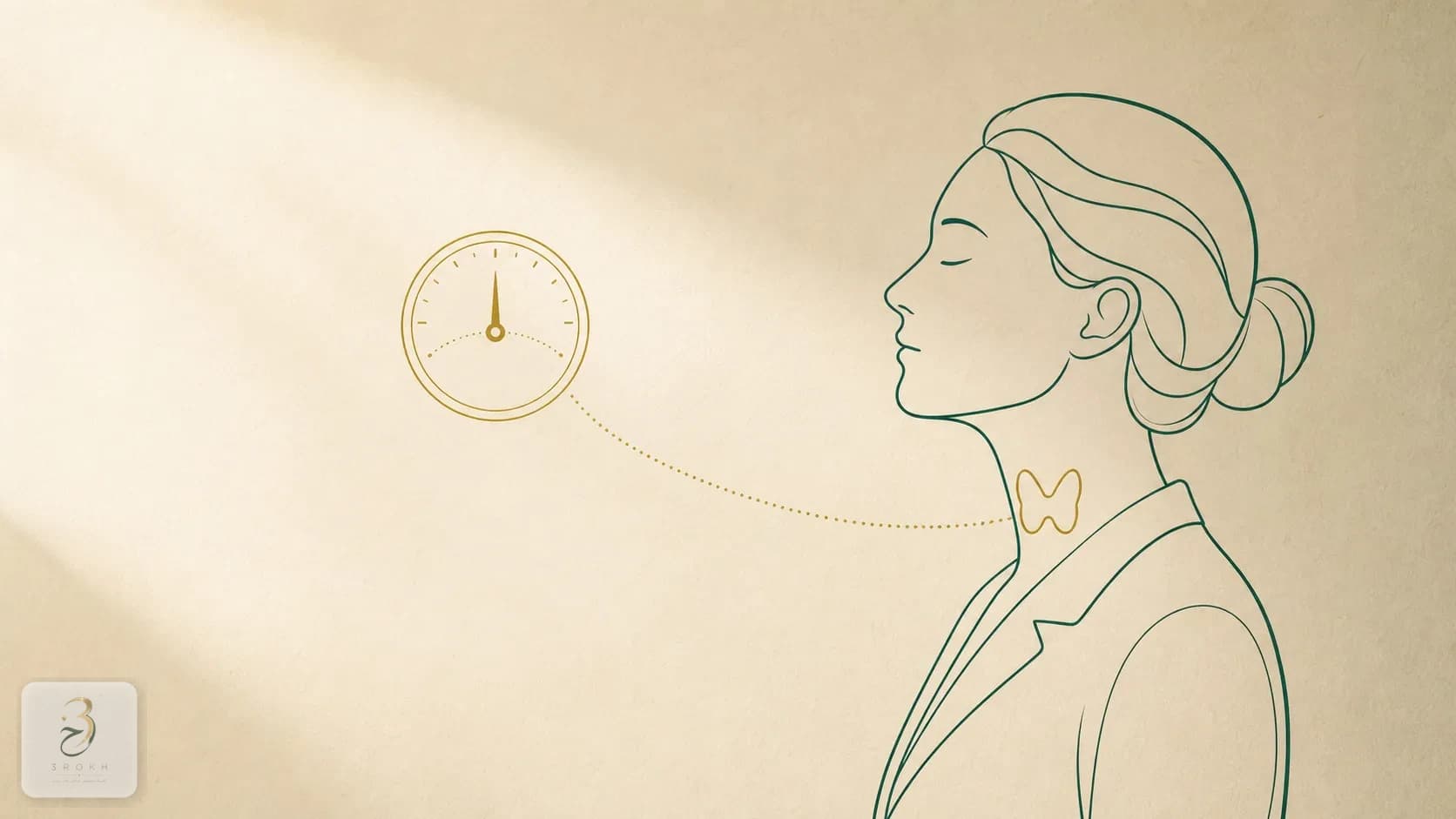
Controlled thyroid disease does not rule out rhinoplasty; what matters is that TSH sits within the normal range. Per StatPearls that range is 0.4 to 4.5 milliunits per litre. Rare complications like thyroid storm and myxedema coma occur almost exclusively in uncontrolled thyroid disease, not in someone on medication with normal labs.
- Normal TSH range
- 0.4 to 4.5 mU/L
- Thyroid storm incidence
- 0.57 to 0.76 per 100,000 people/year
- Myxedema coma incidence
- roughly 0.22 per million people/year
- Related guide
- /blog/pre-rhinoplasty-tests
These figures are general guidance; the final decision rests with your treating physician based on your own tests.
Key points
- Controlled thyroid disease does not rule out rhinoplasty; what matters is that hormone levels sit within the normal range.
- According to StatPearls, the normal TSH range is 0.4 to 4.5 milliunits per litre.
- Both thyroid storm and myxedema coma are rare and occur almost exclusively in undiagnosed or uncontrolled thyroid disease.
- Levothyroxine has a half-life of seven to ten days, so missing one dose does not suddenly derange blood hormone levels.
Does thyroid disease rule out rhinoplasty?
Short answer: not on its own. Controlled thyroid disease, whether underactive or overactive, does not disqualify someone from rhinoplasty. What matters is that hormone levels sit within the normal range, not whether a thyroid diagnosis exists in the chart at all. Surgery scheduled before that is established carries a real risk; surgery on a patient who is stable carries no more risk than surgery on someone with no thyroid history.
This article is educational and does not replace guidance from your endocrinologist or anaesthesiologist. Whether you are ready for surgery is decided from your actual lab results.
What is the actual difference between an underactive and overactive thyroid?
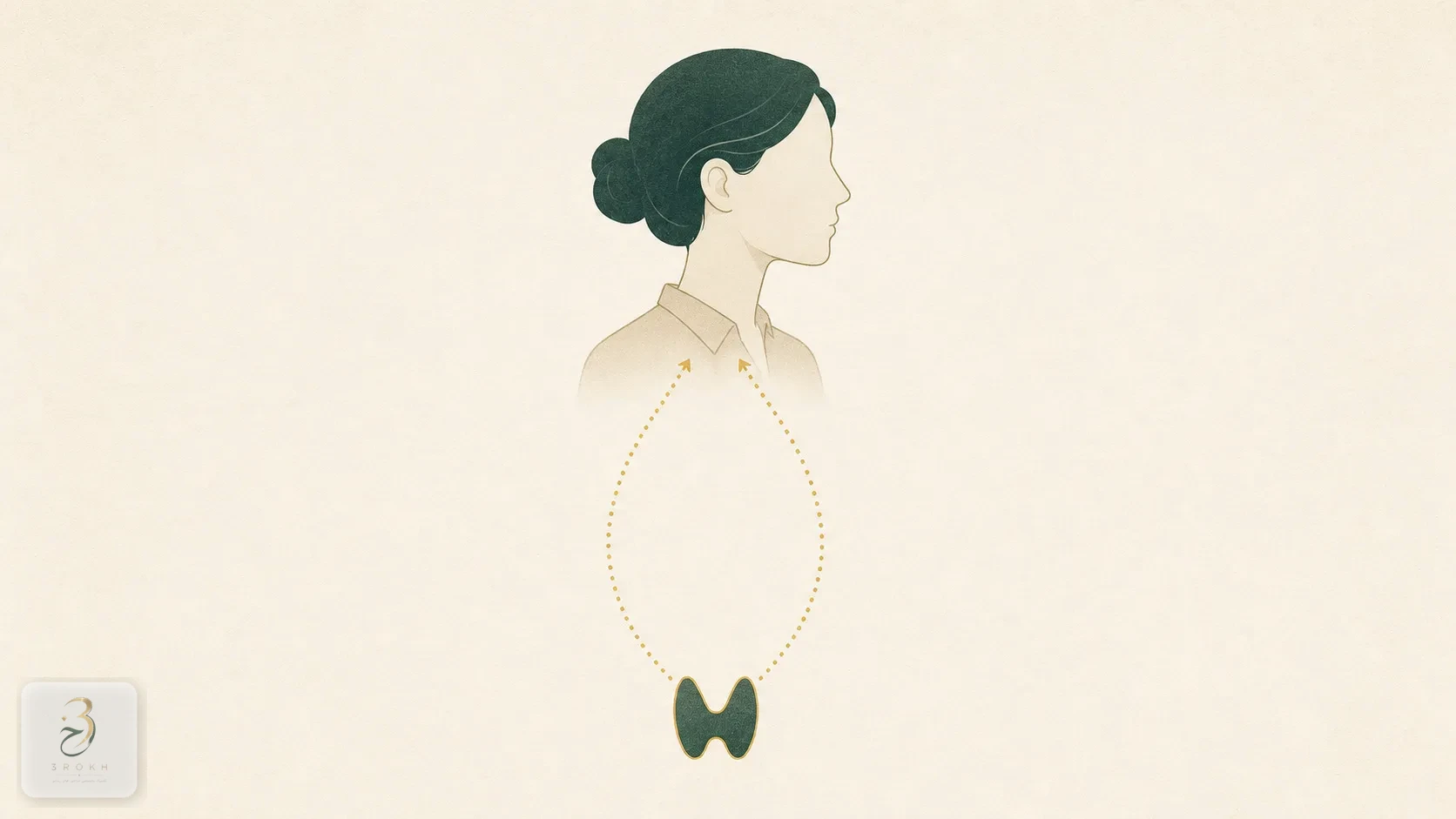
Both describe the same gland behaving in opposite ways. In hypothyroidism, the gland makes too little hormone and the body's metabolism slows. In hyperthyroidism, it makes too much and metabolism speeds up. Telling the two apart is the first step before any decision about surgery, because the anaesthesia precautions for each are not the same.
Hypothyroid signs that matter at a pre-operative visit
Per StatPearls, the clinical features of hypothyroidism include bradycardia (a slowed heart rate), weight gain, dry skin, slowed speech and movement, and facial puffiness. A slowed heart rate is precisely what an anaesthesiologist watches during surgery, which is why uncontrolled hypothyroidism is flagged on the pre-anaesthesia assessment.
Hyperthyroid signs that matter at a pre-operative visit
Hyperthyroidism runs the other way: palpitations, unexplained weight loss, heavy sweating, and hand tremor. Because these can resemble ordinary pre-surgery nerves, they are sometimes dismissed — but the distinction matters. StatPearls is explicit that euthyroidism should be achieved with anti-thyroid medication before any elective surgery.
What should thyroid levels be for rhinoplasty?
The relevant test is TSH, not a rhinoplasty-specific number, because no such cosmetic-surgery-specific threshold exists. The benchmark is the same standard laboratory range used for every other medical decision involving the thyroid.

Per StatPearls, the normal TSH range is 0.4 to 4.5 milliunits per litre (mU/L). If a result falls outside that range, T3 and T4 are tested next to establish where the problem lies. Narrower or unsourced ranges sometimes quoted online as "the number needed for surgery" do not have a traceable clinical source and should not guide a decision.
| Status | TSH | Direction for surgery |
|---|---|---|
| Normal (euthyroid) | 0.4 to 4.5 mU/L | Elective surgery generally proceeds without added restriction |
| Underactive (above range) | Above 4.5 | Adjust levothyroxine dose until within range |
| Overactive (below range) | Below 0.4 | Control with anti-thyroid medication until euthyroid |
This table is a general rule, not a prescription — dose adjustment and timing are set by your treating physician based on examination and history.
Why elective surgery has a margin emergency surgery does not
A point most articles skip: rhinoplasty is elective, not emergency, surgery. That means there is no requirement to operate on a fixed date, and that is a genuine advantage.
If TSH is out of range, it typically takes a few weeks of dose adjustment to bring it back within range. Emergency surgery does not have that time and the team must manage the existing risk; for rhinoplasty, those weeks cost nothing beyond a little patience — and in exchange, the operation happens on a body that is genuinely ready for it.
Why anaesthesia is more sensitive in a thyroid patient
Thyroid hormone acts directly on the heart — on the beta receptors in cardiac muscle that govern how the heart responds to anaesthetic agents and to the sympathetic nervous system. When hormone levels sit outside the normal range, that response becomes less predictable: an underactive thyroid's heart may respond more sluggishly than expected to standard anaesthetic drugs, and an overactive thyroid's heart may become excessively reactive.

What is actually being monitored
An anaesthesiologist continuously tracks several things during surgery that connect directly to the thyroid: heart rate, blood pressure, and body temperature. All three are influenced by thyroid hormone, and an unexpected deviation in any of them mid-operation is often the first sign that thyroid status was not as stable as assumed. The pre-operative test exists precisely to avoid that surprise, and this is why an anaesthesiologist, not only the surgeon, wants to see thyroid results — the same precaution applies to rhinoplasty as to any other elective procedure.
Thyroid storm: real numbers, not general fear
"Thyroid storm" is a phrase most articles use to alarm, but the actual statistics say something calmer. Per StatPearls, thyroid storm is a rare complication of hyperthyroidism: it occurs in roughly 0.57 to 0.76 cases per 100,000 people annually in the general population, rising to 4.8 to 5.6 per 100,000 among hospitalised patients.
More importantly, thyroid storm does not appear out of nowhere — it needs a trigger. StatPearls lists known precipitants including abrupt discontinuation of anti-thyroid medication, surgery (thyroid or otherwise), trauma, and acute infection. The real risk belongs to undiagnosed or uncontrolled hyperthyroidism, not to having a thyroid history on file while taking medication with normal labs.
Myxedema coma: when it is genuinely a concern
The equivalent on the other side is myxedema coma, the severe complication of hypothyroidism. Per StatPearls it is far rarer than thyroid storm — the estimated incidence is roughly 0.22 per million people per year.

Its triggers resemble thyroid storm's: infection, hypothermia, surgery, trauma, and certain medications. And the same pattern repeats: this complication typically occurs in severe, untreated hypothyroidism, not in someone controlled on levothyroxine who has been tested before surgery.
Should I take my thyroid medication on the day of surgery?
Stopping thyroid medication on your own before surgery is a mistake and should never be done without coordination. Levothyroxine has a long half-life — per StatPearls, 7 to 10 days — so missing one dose does not suddenly derange blood hormone levels, but that is not the same as permission to stop it unsupervised.

The general rule many physicians give is to take levothyroxine on the usual schedule, spaced apart from other medications or calcium supplements that reduce its absorption — but that general rule does not replace your own surgeon's specific instructions. The exact directions — which day, how much water, fasting or not — come only from your surgeon or anaesthesiologist, since they depend on your other medications, surgery time and anaesthesia type. For the full list of medications to review before any cosmetic surgery, see the guide to medications and supplements before surgery.
Anaemia: a separate test with a similar effect on anaesthesia
Anaemia is a different story from the thyroid, but the two are asked about together for a reason: both concern the body's capacity to tolerate surgery. Anaemia means the blood carries less oxygen, and the World Health Organization ranks it among the most common nutritional disorders worldwide. Its basic test (a CBC) is part of the same standard pre-rhinoplasty checklist covered fully in the guide to pre-rhinoplasty tests.

Is thyroid testing needed again after surgery?
For most people with well-controlled thyroid disease, no — anaesthesia does not have a lasting effect on thyroid test results, and surgery alone is not a reason for an extra test. The exception is anyone who develops new thyroid symptoms during recovery, or whose treating physician had already scheduled routine monitoring; in that case, the existing monitoring schedule simply continues rather than a special post-rhinoplasty test being added.

When to see a doctor
- Before any decision to proceed with surgery, if you have a history of thyroid disease — underactive or overactive — even if it is controlled and symptom-free.
- If your dose changed recently or it has been a while since your last thyroid test; a fresh test is needed, not one from months ago.
- If you notice new symptoms — palpitations, tremor, unexplained weight change, or intolerance to heat or cold.
- Urgently: a high fever, a very rapid heart rate, or severe confusion after any surgery — these should be reported to the care team immediately.
Sources
Frequently asked questions
Is hypothyroidism dangerous for anaesthesia?
Hypothyroidism controlled with medication carries no significant added risk for anaesthesia. The real risk belongs to severe, undiagnosed hypothyroidism, which can be rare but serious — which is why a pre-operative TSH test is requested.
Is hyperthyroidism dangerous for anaesthesia?
Uncontrolled hyperthyroidism carries more risk than uncontrolled hypothyroidism because it makes the heart more excitable. Per StatPearls, euthyroidism should be achieved with medication before any elective surgery; once achieved, there is no added risk.
What should thyroid levels be for rhinoplasty?
The medical benchmark is the standard laboratory TSH range, not a rhinoplasty-specific number. Per StatPearls that range is 0.4 to 4.5 milliunits per litre; other figures sometimes quoted as 'the number needed for surgery' have no clear source.
What is the link between hypothyroidism and coma?
Myxedema coma is the most severe complication of hypothyroidism, but per StatPearls it is very rare (about 0.22 per million people per year) and occurs almost exclusively in severe, untreated hypothyroidism, not in someone controlled on medication.
Should I take levothyroxine on the day of rhinoplasty?
Don't stop thyroid medication without coordinating with your surgeon or anaesthesiologist. Levothyroxine has a 7-to-10-day half-life, but the exact instructions for surgery day — timing, water, fasting — are set only by your care team based on your other medications and surgery time.
Does hypothyroidism affect the outcome of rhinoplasty?
It has no direct effect on the cosmetic result, but it affects anaesthesia safety, because thyroid hormone regulates heart rate and blood pressure. That is why thyroid levels need to be within the normal range before surgery, not why the diagnosis itself needs to be absent.
Related services
Comments
No comments yet. Be the first to write one.
Related articles
What Is Nasal Projection? A Map of Nasal Terms With Reference Numbers
Projection, dorsum, radix, columella and the nasolabial angle — the terms a surgeon uses in consultation, with reference ranges and an answer to why a nose can look more projected after surgery.
Read moreMedications and Supplements to Stop Before Surgery: What, and How Many Days Before
Aspirin, herbal supplements, birth control pills, isotretinoin — which ones really need to stop, how many days before surgery, and which must never be stopped on your own, sourced from Mayo Clinic, Cleveland Clinic and an independent scientific review.
Read moreCan You See Rhinoplasty Results Before Surgery? Simulation and Its Limits
What computer simulation before rhinoplasty actually shows, and why it can't guarantee the final result — based on clinical studies, not an app roundup.
Read more