
revision-rhinoplasty
Reducing Nasal Projection: When It's Possible and When You Need Revision Surgery

Quick answer
Filler or any non-surgical method cannot genuinely reduce nasal projection, because it only adds volume rather than removing it. The only real path is surgical correction of the tip cartilage, and that decision only makes sense once a full year has passed since the first surgery and the fullness is confirmed to be stable.
- Real way to reduce projection
- Cartilage-correction surgery only
- Minimum wait
- A full year
- Revision rate
- Up to 15% of all cases
- Related guide
- /blog/revision-rhinoplasty-timing
Only your surgeon's in-person exam can confirm whether the fullness is swelling or real, and choose the right technique.
Key points
- Filler or any non-surgical method cannot genuinely reduce nasal projection, because it only adds volume.
- The only real way to reduce projection is surgery that corrects or reshapes the tip cartilage.
- That decision only makes sense once a full year has passed since the first surgery and the fullness is confirmed stable.
- Needing revision surgery is a known, accounted-for part of this specialty, not a failure of the first operation.
Can nasal projection be reduced without surgery?
Not genuinely, no. No non-surgical method — not filler, not massage, not any topical product — can remove excess tissue or cartilage from the nose. Filler only adds volume; it is useful for filling a dip or lifting a drooping tip, not for shrinking something that is already too projected. The only real way to reduce projection is surgery that removes or reshapes the excess tissue or cartilage.
This article is educational and does not replace an in-person exam by your surgeon. Before any decision, make sure the projection you are seeing is not late-stage swelling rather than a permanent feature — in most cases, genuine swelling is still present up to a year after surgery.
Why reducing projection is harder than adding it
The tip of the nose is held up by several interdependent support mechanisms. Per StatPearls, rhinoplasty has an informal but very real rule sometimes called the "Newton's third law of rhinoplasty": every change to one structure produces an equal and opposite reaction elsewhere. For example, trimming part of the upper cartilage at the tip (cephalic trimming) can cause the tip to rotate; opening the nose via the open approach can itself cause a slight loss of projection, even without the surgeon intending it.
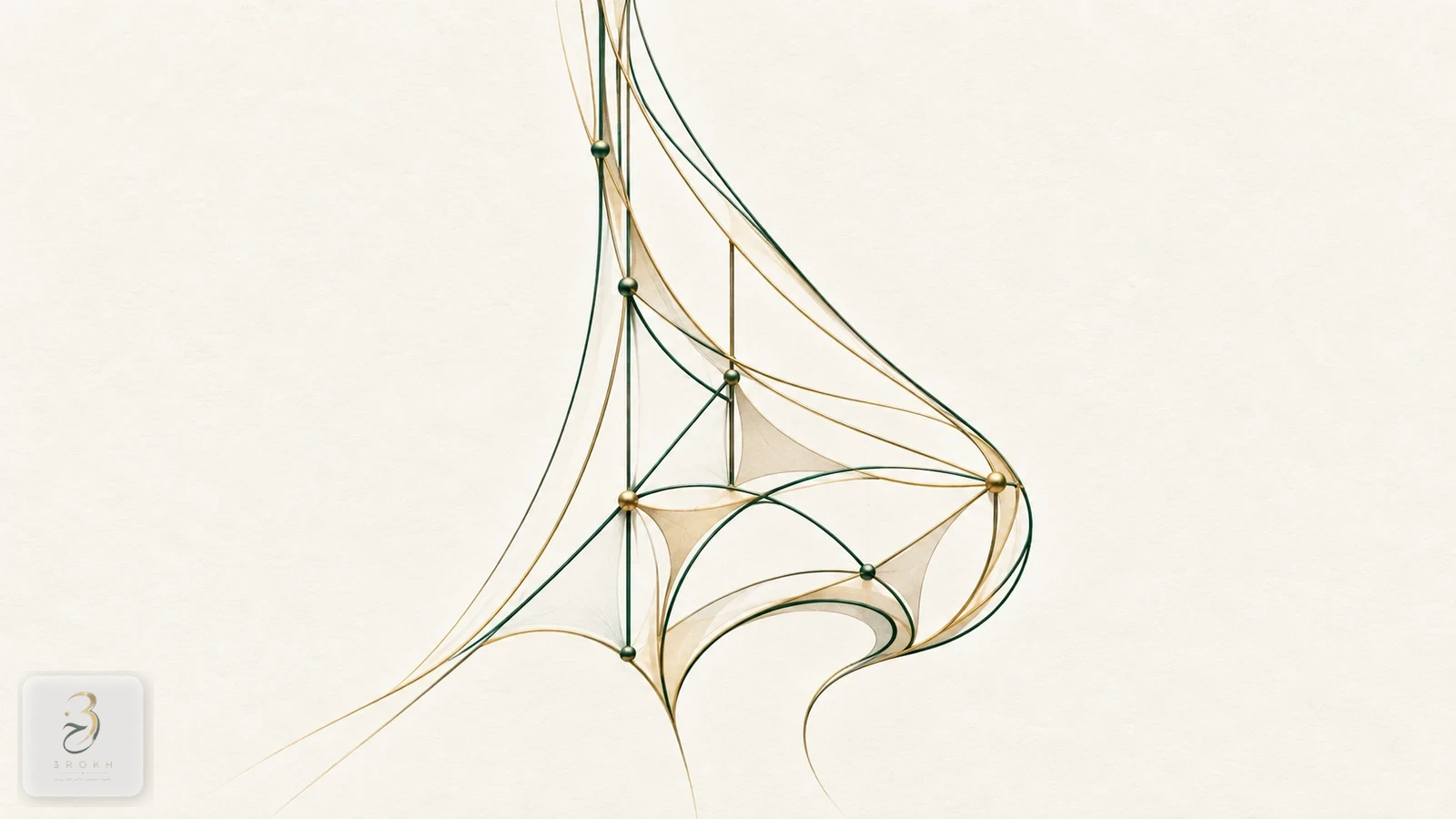
This interdependence is exactly what makes reducing projection more technical than adding it: the surgeon has to know precisely which structure — the crural cartilage, the interdomal bands, or the attachment to the septum — is responsible for the excess projection, or correcting one part can throw the tip's balance off somewhere else.
First, confirm: is this late swelling or true projection?
Before any conversation about revision surgery, one simple question needs an answer: has at least a full year passed since the original operation? Rhinoplasty references explicitly recommend that patients unhappy with their result wait at least a year before judging the outcome as final or raising revision surgery. Below that window, what looks projected is often still residual swelling in the tip and supratip, not the nose's permanent shape.
The real criteria for deciding on revision surgery

Once the one-year window has passed and the fullness is genuinely persistent, a few more factors enter the decision:
- Greater technical complexity. Per StatPearls, revision surgery is more demanding than a first operation because dissection has to happen through tissue that has already been operated on and scarred.
- Cartilage availability. Some septal cartilage was typically already used in the first surgery; if not enough remains for structural correction, the surgeon may need to harvest cartilage from the ear or rib.
- Tissue vascularity. The first surgery can affect blood supply to the nose's soft-tissue envelope, which directly influences healing speed and quality after a second operation.
- Psychological readiness and realistic expectations. Per the same source, the psychological experience of the first surgery — and sometimes prolonged dissatisfaction — can affect the surgeon-patient relationship and expectations for a second operation; an honest conversation about these expectations is a real part of a revision consultation.
Which techniques actually reduce projection
In revision surgery, reducing projection is usually done by directly correcting the tip cartilage, not by removing soft tissue. Depending on what caused the excess projection, the surgeon may:
- Carefully trim or reshape part of the lower lateral cartilages.
- Use interdomal or repositioning sutures to change the angle and amount of tip protrusion.
- Shorten an overly firm, elongated attachment between the tip's support structure and the septum, when that is the cause.

These decisions depend entirely on each nose's specific architecture and can only be determined through an in-person exam and a review of before-and-after photos from the first surgery. Per StatPearls, the better access and visualization of the open approach is usually preferred for this kind of precise tip correction, though the final choice is the surgeon's call.
Why filler is not the answer here
Nose filler, per Cleveland Clinic's definition, is a temporary, non-surgical form of rhinoplasty used to fill small dips and irregularities or lift a drooping tip — exactly the opposite direction from what reducing projection requires. Injecting filler into a tip that is already overprojected does not solve the problem and can make the sense of excess projection worse.
Cost and complexity of revision surgery for projection
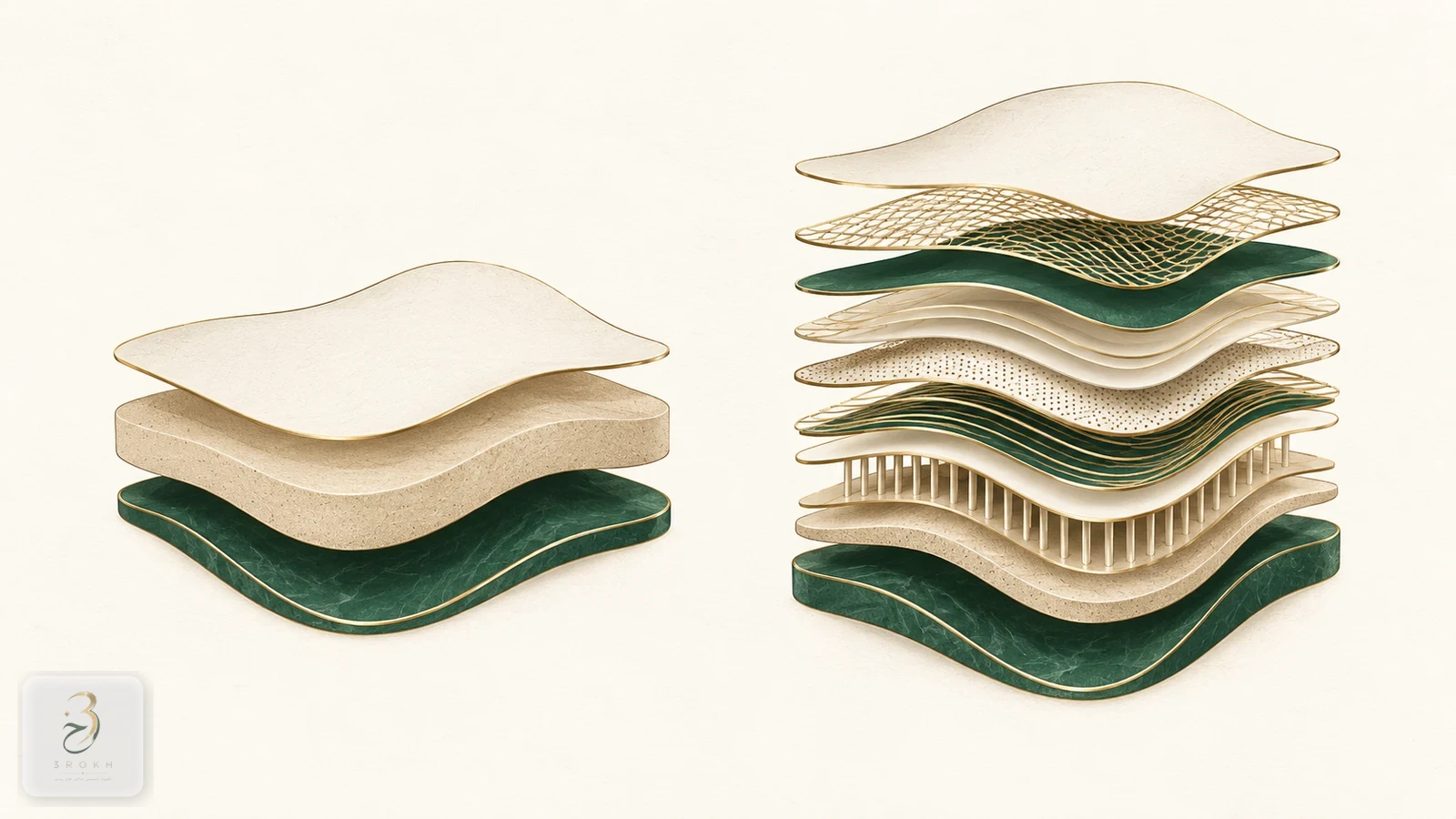
Revision surgery is typically longer and more complex than the first operation, especially when cartilage harvesting or grafting is involved. The full picture of this cost difference and its real causes — from scar tissue to the need for grafts — is covered in The cost of revision rhinoplasty, and why it is usually higher than the first surgery.
What a realistic expectation looks like
Needing revision surgery is not a failure of the first operation. Per StatPearls, the revision rate in rhinoplasty is typically reported at up to 15%, and the complication rate up to 3% — a known, accounted-for part of the specialty, not a rare event or a sign of poor surgery. That said, just as the first surgery never guarantees an outcome identical to a computer simulation, revision surgery is not a guarantee of perfection either; a realistic goal is a noticeable, stable improvement over the current state, not an entirely different nose.

When to start a conversation with your surgeon
If at least a full year has passed since your first surgery and the tip's projection is still real, stable, and bothersome, it is a reasonable time for a revision consultation. In that visit, the surgeon determines — through direct examination and a review of your before-and-after photos — which structure is responsible for the excess projection and which technique actually addresses it; that is also where the timing question, biological and psychological, gets discussed in more depth, covered further in Revision rhinoplasty: when is it too soon, and when is the timing right? and What revision rhinoplasty actually fixes.

Sources
Frequently asked questions
Can filler reduce an overprojected nasal tip?
No. Filler only adds volume and is used to fill a dip or lift a drooping tip. Injecting it into an already overprojected tip can make the sense of excess projection worse.
How long after rhinoplasty can I decide on revision surgery to reduce projection?
At least a full year, because until then, part of what looks projected can still be residual swelling rather than the permanent shape. Deciding earlier than that is usually premature.
Why is reducing projection harder than adding it?
Because the tip's support structures are interdependent, and changing one can affect another. The surgeon has to know precisely which structure is responsible for the excess projection.
How different is revision surgery for reducing projection from the first operation?
It is usually more complex, since dissection happens through scarred tissue, additional cartilage (from the ear, for example) may be needed, and the soft tissue's blood supply can also be affected by the first surgery.
Related services
Comments
No comments yet. Be the first to write one.